Frequently Asked Questions About Rust-Oleum EpoxyShield Asphalt Coating
Rust-Oleum EpoxyShield is a popular choice for protecting and enhancing asphalt driveways, but proper application requires attention to detail. This guide addresses the most common questions about surface preparation, curing, durability, and troubleshooting to help you achieve a long-lasting finish on your asphalt surface.
What Is the Proper Surface Preparation for Rust-Oleum EpoxyShield on Asphalt?
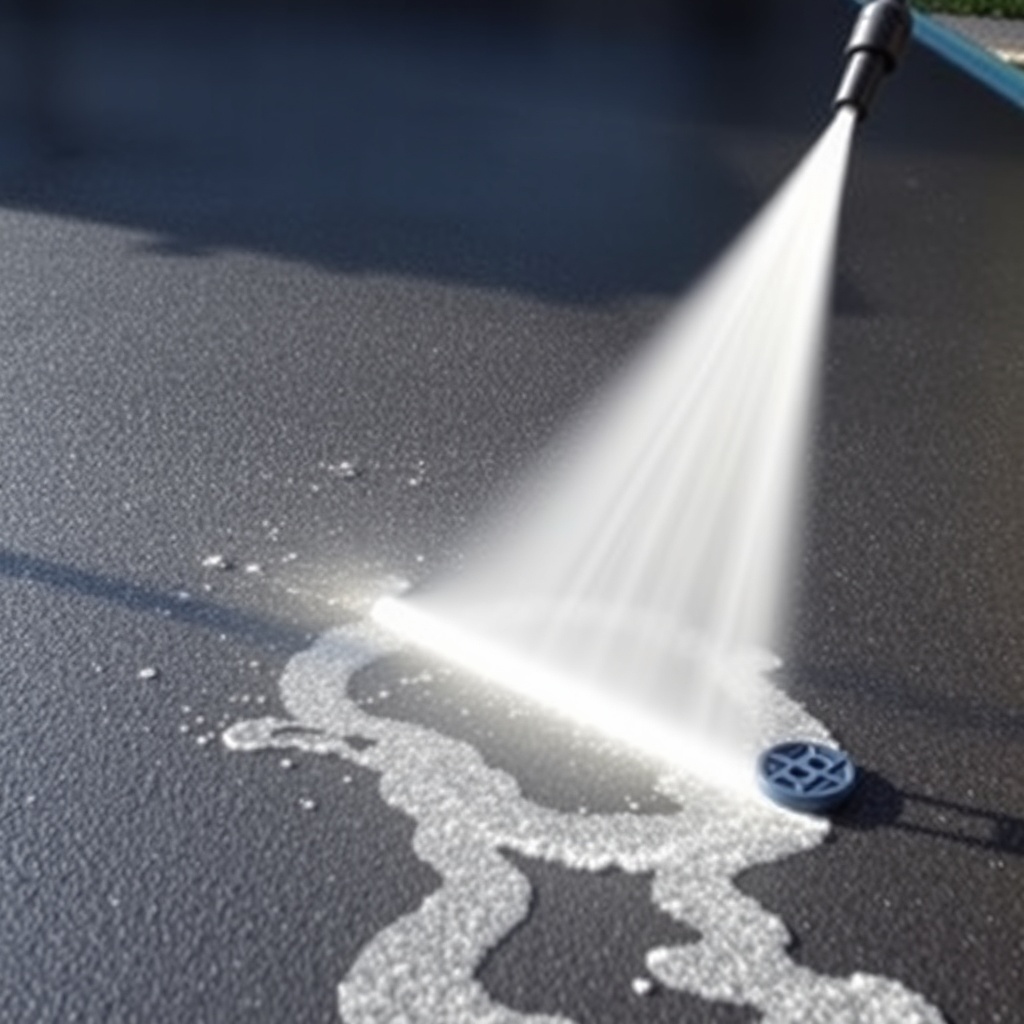
Surface preparation is the single most critical step for success. Start by cleaning the asphalt thoroughly with a degreaser or heavy-duty cleaner to remove oil stains, dirt, and debris. For best results, use a pressure washer (at least 3000 PSI) to strip loose material. Allow the surface to dry completely for 24-48 hours, depending on humidity and temperature. If the asphalt is older or has cracks, repair them with a specialized asphalt crack filler before application. Roughen smooth or polished areas with a floor scrubber or light sanding to improve mechanical adhesion. For detailed guidance, see the article on Preparing Your Asphalt Surface for Rust-Oleum EpoxyShield Coating.
How Long Does Rust-Oleum EpoxyShield Take to Cure on Asphalt?
Rust-Oleum EpoxyShield typically dries to the touch in 4-6 hours at 70°F (21°C) and 50% relative humidity. However, full chemical cure takes 7 days. During this time, avoid heavy traffic or parking vehicles on the coated surface. For light foot traffic, wait at least 24 hours. In cooler or more humid conditions, curing times can double. Warmer temperatures (75-85°F or 24-29°C) accelerate curing but may also cause flash drying if applied too thick. Always consult the product label for specific temperature windows.
Can You Apply Rust-Oleum EpoxyShield Over Old Asphalt Sealcoating?
Applying EpoxyShield over an existing sealcoat is risky. The product bonds best to clean, bare asphalt. Old sealcoating—especially if it is acrylic-based or flaking—can cause delamination. If you must apply over a previous coating, test a small inconspicuous area first: apply tape and pull; if the coating peels, you must either completely remove the old sealcoating (via power washing or chemical stripping) or sand it to a dull finish. In most cases, starting fresh on bare asphalt yields a more durable finish.
| Issue | Severity | Recommended Action |
|---|---|---|
| Delamination of coating within first month | Needs attention soon | Strip coating and re-prepare surface; ensure proper application temperature |
| Mild fading or chalking after 1-2 years | Usually not urgent | Clean and apply a maintenance coat |
| Small fish eyes or bubbles in fresh coat | Usually not urgent | Sand down and apply a thin touch-up coat |
| Large blistering or peeling | Needs attention soon | Remove affected area, re-etch and recoat |
What Are the Most Common Application Mistakes and How to Fix Them?
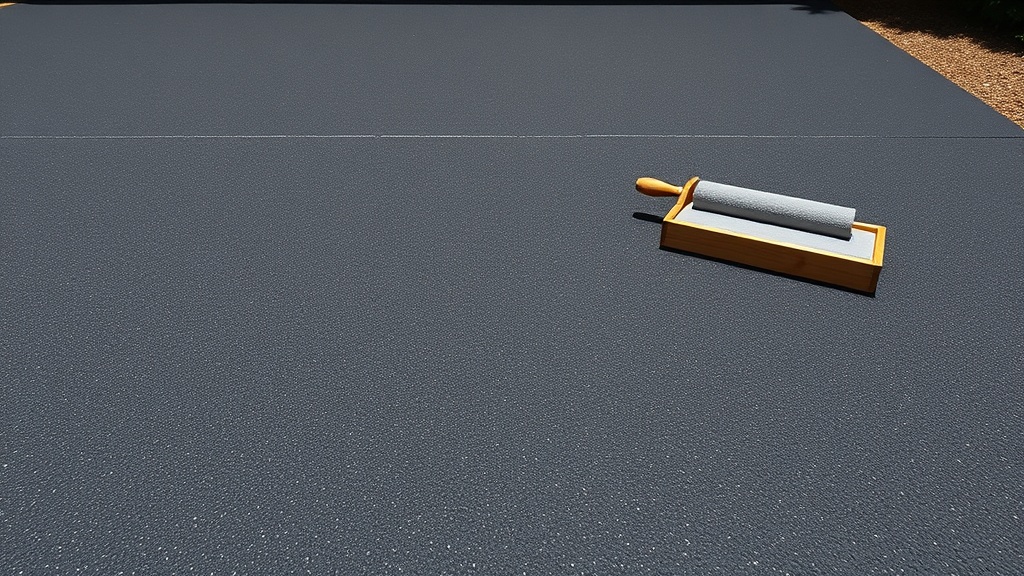
Even experienced DIYers run into issues. The most frequent mistake is applying the coating too thick, which leads to bubbles, longer cure times, and surface unevenness. Apply in thin, even coats (1/8 inch or 3 mm is ideal). Another common error is working in direct sunlight on a hot day; the solvent evaporates too quickly, causing brush marks and poor flow. Always apply in the shade during cooler hours. If you see fish eyes (small craters), stop application and clean the surface again with a solvent wipe. For roller marks, back-roll immediately before the coating sets.
How Durable Is Rust-Oleum EpoxyShield Against Tire Marks and UV?
EpoxyShield is formulated to resist hot tire pickup—a common problem with cheaper sealers. In temperate climates (with average UV index of 5-7), the coating typically lasts 2-3 years before noticeable fading. In high-UV regions (like Arizona or Florida), expect to recoat every 1-2 years to maintain color. Tire marking is rare unless the asphalt was not fully cured (24+ days) or the coating was applied too thick. For long-term protection strategies, read Rust-Oleum EpoxyShield: Long-Term Protection for Asphalt Surfaces.
Can You Apply Rust-Oleum EpoxyShield in Cold Weather?
The product requires a surface temperature between 50°F (10°C) and 90°F (32°C) during application and for 12 hours afterward. Applying below 50°F leads to poor coalescence, longer cure times, and potential adhesion failure. If you live in a region with chilly springs, wait until the forecast shows consistent above-50°F days. You can use a surface thermometer to check. In borderline conditions (48-50°F), the coating may take 48 hours to dry to the touch—at which point a sudden frost can ruin the finish.
What Owners Say
Real-world feedback from driveway owners reveals mixed but informative experiences. One homeowner in Ohio noted: “I prepped with a pressure washer and let it dry for 48 hours—the coating held up well through two Midwest winters, but I did see minor peeling near the garage where water puddles.” Another owner in Texas shared: “Applied in May with temps in the 80s. Looked great for two years, but after a third summer, fading was noticeable. I plan to recoat next spring.” A third user in the Pacific Northwest advised: “Don’t skip the degreaser step—oil spots will bleed through if you do. I had to redo a section after my car leaked. Painful lesson.” These anecdotes highlight that surface prep and climate play major roles in durability.
Frequently Asked Questions
1. Do I need to use a primer with Rust-Oleum EpoxyShield on asphalt?
No primer is required—EpoxyShield is a direct-to-asphalt formula. However, for porous or heavily oxidized asphalt, a thin bonding primer can improve adhesion, though this is not standard.
2. How many coats of EpoxyShield are recommended?
One coat is typically sufficient for residential driveways. For high-traffic areas (like shared driveways or commercial entryways), a second coat applied within 24 hours may double the lifespan.
3. Can I recoat after the curing period?
Yes, but you must clean and lightly sand the surface to create a mechanical key. Apply within a 10-day window of curing for best intercoat adhesion. After 30 days, a full re-prep is recommended.
4. Will EpoxyShield fill small cracks and potholes?
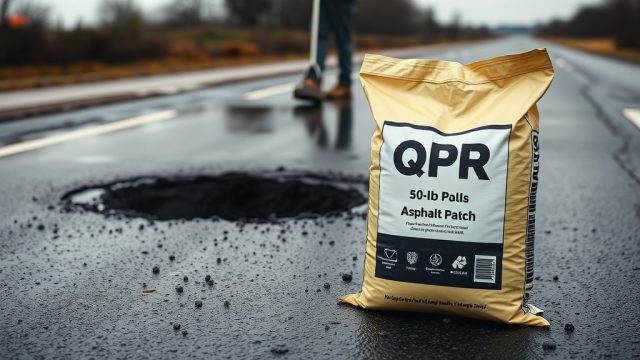
No. It is a coating, not a filler. Seal cracks wider than 1/4 inch (6 mm) with a specialized asphalt patching compound before coating. Small hairline cracks under 1/8 inch may be bridged but could reappear over time.
5. Is EpoxyShield safe for use around plants or pets?
Once fully cured (7 days), the coating is inert and safe for pets. During application, keep pets away until the product dries. For plants, cover or relocate them during application, as the solvent vapors can harm foliage.
6. How do I remove a failed EpoxyShield coat?
Use an industrial-grade solvent-based stripper or a high-pressure sandblaster. Chemical stripping takes 15-30 minutes per square foot. For large areas, consider mechanical scarification. Always test in a small area first.