Why Should Sealcoating Follow QPR 50-lb Asphalt Patch Repairs?
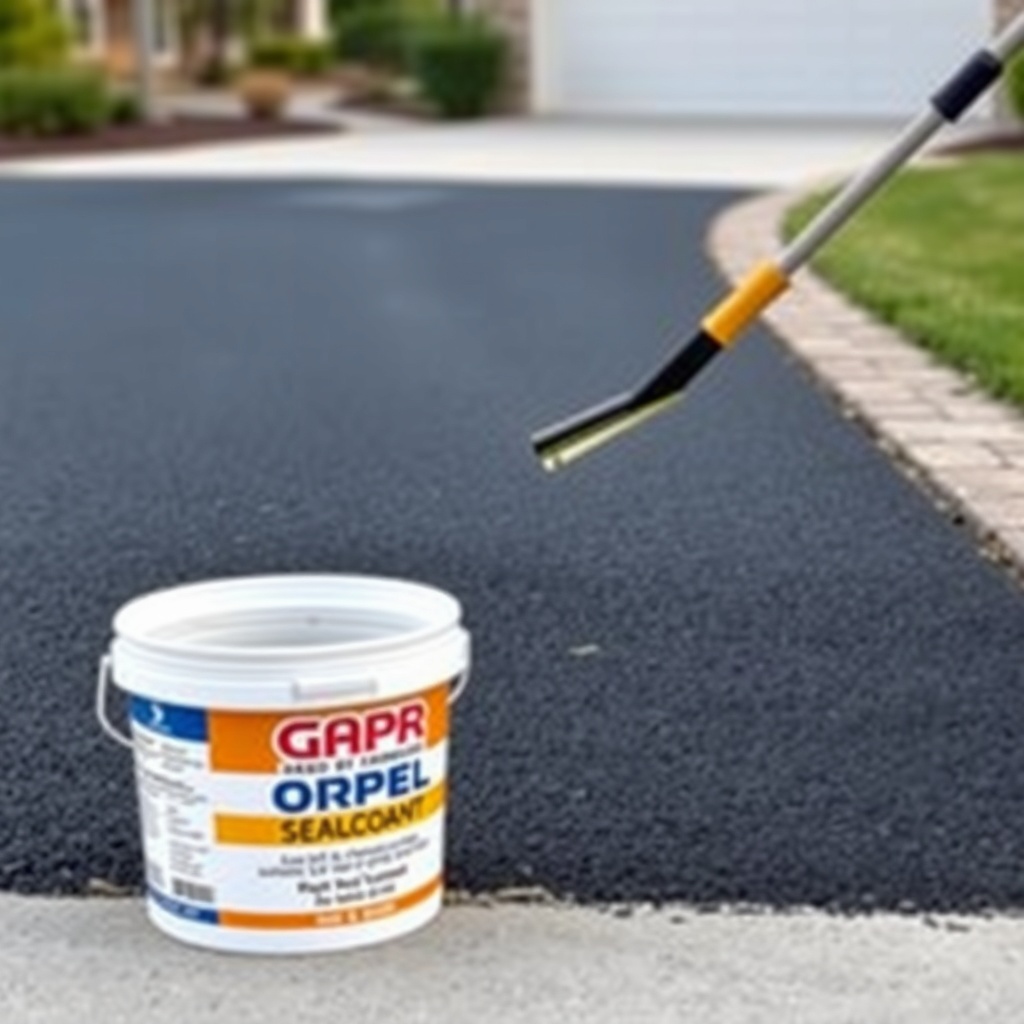
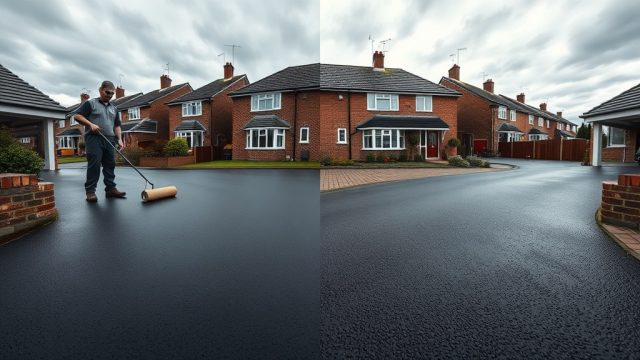
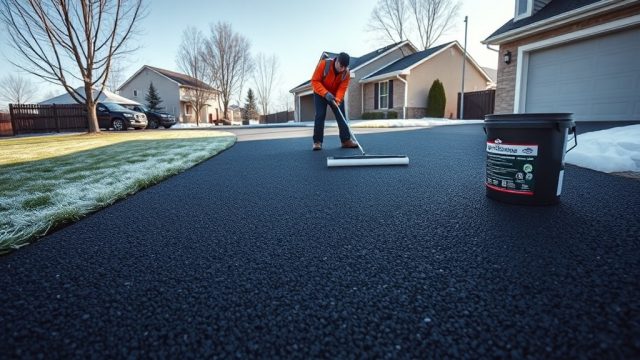
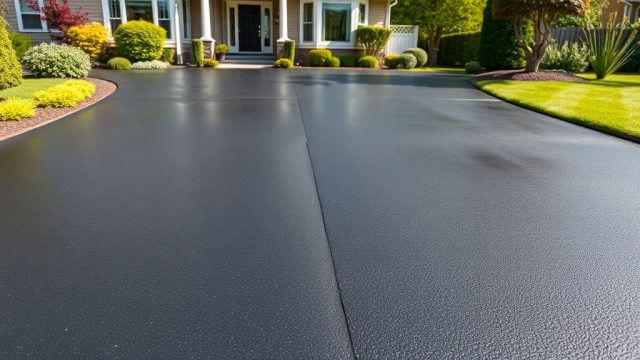
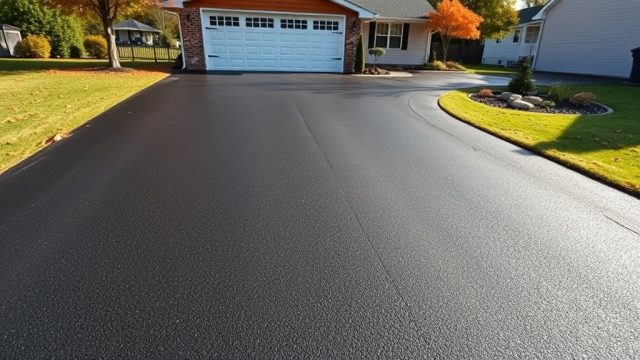
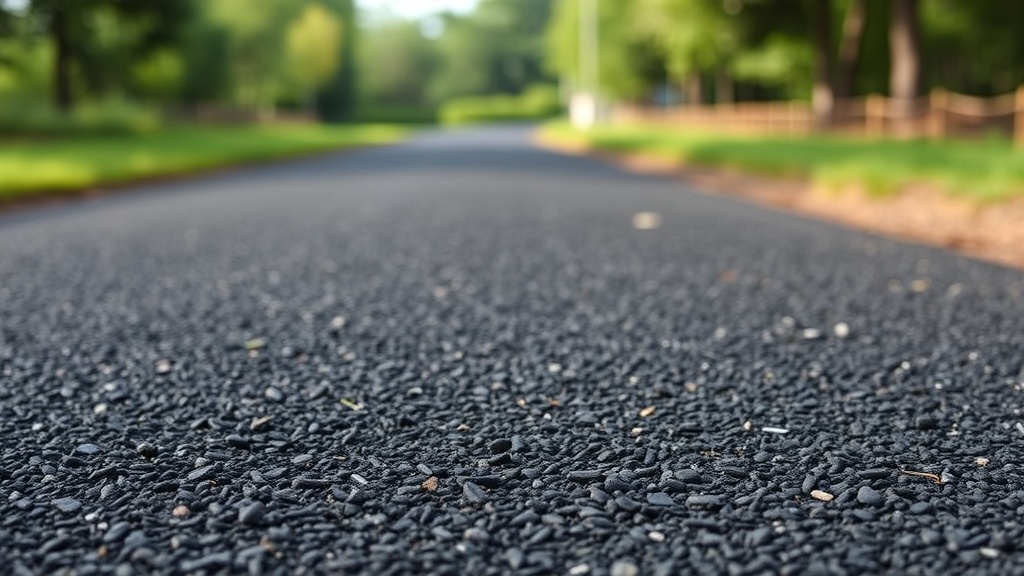
Applying QPR 50-lb asphalt patch to potholes, utility cuts, or edge breaks restores the pavement’s surface, but without a protective sealcoat layer, the patched area remains vulnerable to water intrusion and oxidation. Sealcoating after patching creates a continuous barrier that shields both the new patch and the surrounding asphalt from UV damage, fuel spills, and freeze-thaw cycles. For property managers and contractors in regions like the UK—where rain and temperature swings are common—this two-step process extends the repair’s lifespan by two to three years.
When a patch is left unsealed, water can seep into the edges where the patch meets the old pavement. Over winter, this trapped water expands as it freezes, pushing the patch loose. A proper sealcoat fills those micro-gaps and bonds the patch to the surrounding material. This article explains how to integrate sealcoating protection into your QPR patch workflow, covering timing, surface preparation, and material compatibility.