AsphaltPavePro Sealcoat vs. Coal Tar Emulsion: Which Provides Better Protection?
When it comes to preserving an asphalt driveway, the sealcoat choice is critical. For homeowners in the UK and Ireland, two dominant options are AsphaltPavePro’s proprietary sealcoat and traditional coal tar emulsion. This article compares their protective qualities, longevity, and cost to help you decide which is better for your surface.
What Is AsphaltPavePro Sealcoat and How Does It Work?
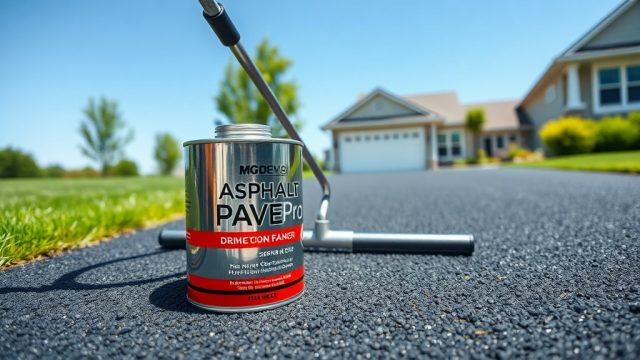
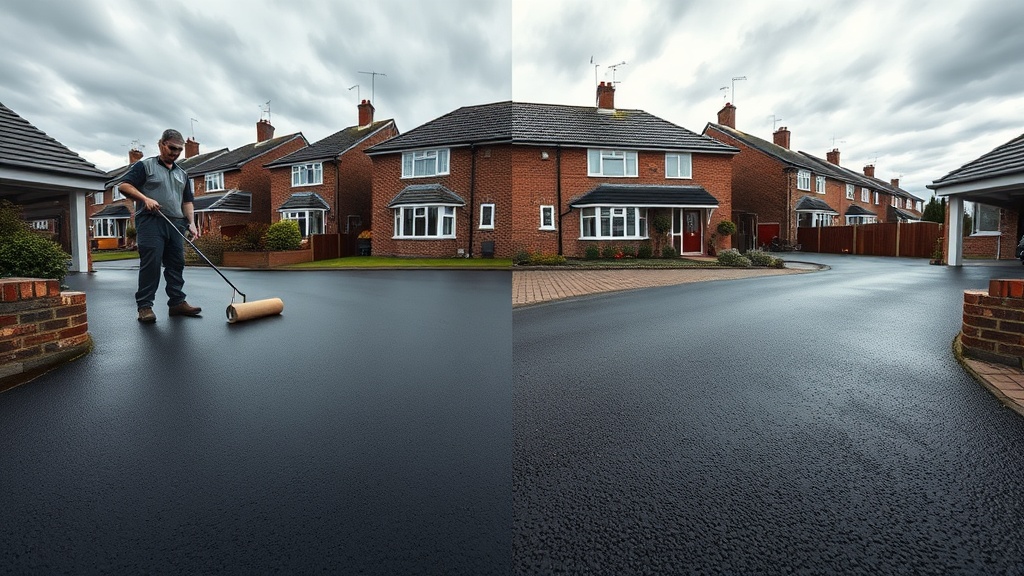
AsphaltPavePro sealcoat is a high-performance, water-based acrylic formulation designed specifically for residential and light commercial asphalt surfaces. Unlike coal tar emulsion, which relies on a byproduct of steel manufacturing, AsphaltPavePro uses refined polymers and UV-resistant additives. It forms a flexible, breathable barrier that protects against oxidation, oil spills, and water penetration.
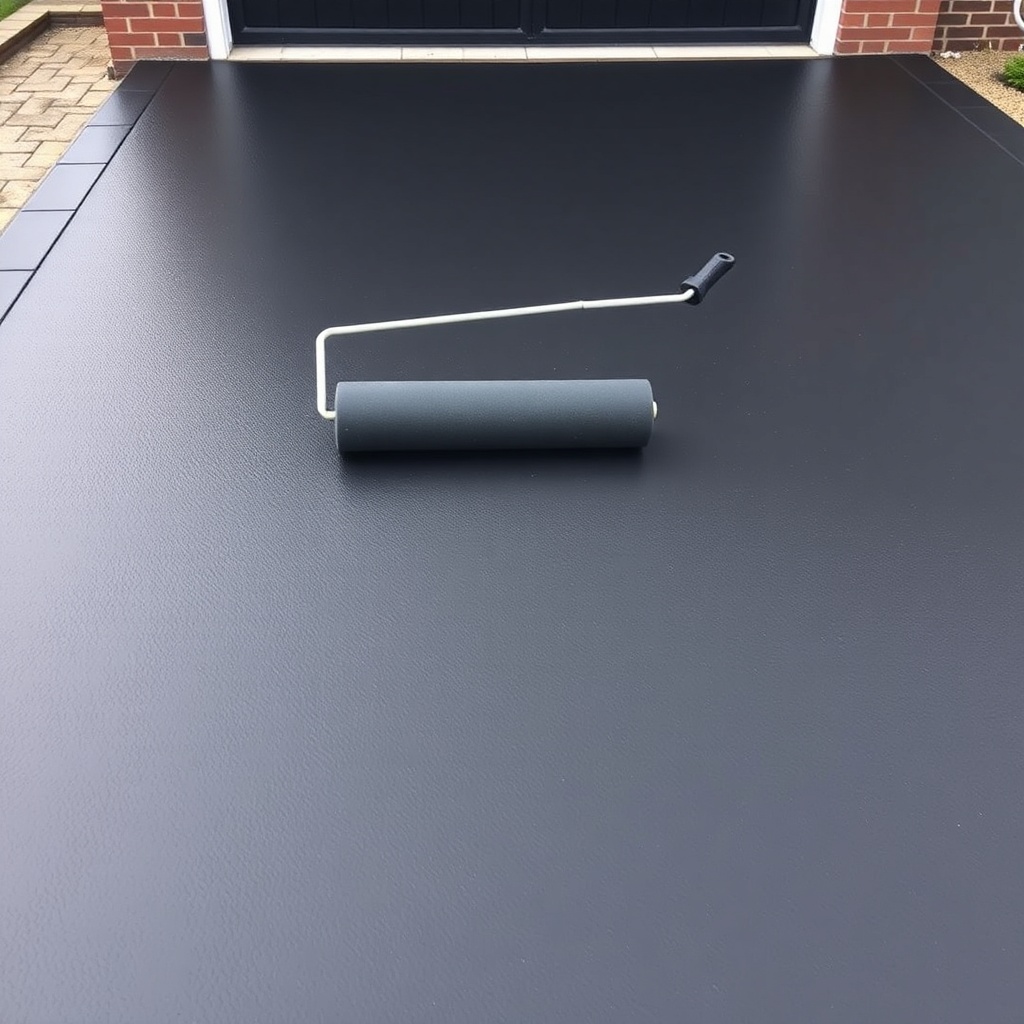
Application is straightforward: the surface must be clean, dry, and free of debris. For best results, combine sealcoating with AsphaltPavePro Crack Sealer: Application Tips for Long-Lasting Repairs to address any visible cracks before sealing. The sealcoat typically requires two coats, with a drying time of 8–12 hours between layers, depending on temperature and humidity.
How Does Coal Tar Emulsion Compare in Performance?
Coal tar emulsion has been a standard in asphalt preservation for decades. It’s derived from coal tar, a viscous liquid created during the coking process. This substance is known for its resistance to gasoline, oil, and other petroleum-based spills. It also provides a hard, durable finish that withstands heavy traffic and extreme temperature shifts.
However, coal tar has significant drawbacks. It contains polycyclic aromatic hydrocarbons (PAHs), which are classified as carcinogenic and can leach into soil and groundwater. In many regions, regulatory restrictions limit or ban its use for residential driveways. The application process is also more labour-intensive: it requires careful mixing, higher temperatures, and longer curing times (often 24–48 hours before light traffic).
For a robust base layer that ensures sealcoat adhesion, proper Proper Subgrade and Base Preparation for AsphaltPavePro Driveways is essential. Without a solid foundation, even the best sealcoat will fail prematurely.
Which Option Offers Better UV and Weather Protection?
UV radiation is a primary cause of asphalt oxidation, leading to brittleness, colour fading, and cracking. AsphaltPavePro sealcoat incorporates UV stabilisers that reflect sunlight and reduce heat absorption. This keeps the surface cooler and slows degradation over time. Its acrylic base also allows the pavement to expand and contract without cracking—a critical factor in UK/Ireland climates with frequent freeze-thaw cycles.
Coal tar emulsion, while robust, tends to absorb more heat, which can accelerate oxidation of the underlying asphalt. It also becomes more rigid as it ages, making it prone to cracking under thermal stress. In damp conditions, coal tar sealers can trap moisture, leading to blistering and peeling.
For optimal weather resistance, pairing the sealcoat with proper AsphaltPavePro Drainage and Slope Design: Preventing Water Damage ensures water runs off the surface rather than pooling, further extending the life of your driveway.
What Is the Cost Difference for a Typical UK/Ireland Driveway?
Cost is a major factor for most homeowners. Below is a realistic comparison based on a standard UK driveway of 50 square metres (approximately 540 square feet). Prices include materials and typical contractor labour rates.
| Item | AsphaltPavePro Sealcoat | Coal Tar Emulsion |
|---|---|---|
| Material cost per m² | £8.50 – £12.00 | £6.00 – £9.50 |
| Labour (cleaning, crack repair, 2 coats) | £15.00 – £20.00 | £18.00 – £25.00 |
| Total cost for 50 m² driveway | £1,175 – £1,600 | £1,200 – £1,725 |
| Estimated lifespan (years) | 3–5 | 2–3 |
| Maintenance frequency | Every 3–4 years | Every 2 years |
| Environmental impact | Low (water-based, minimal toxicity) | High (PAH content, soil contamination risk) |
| Resistance to oil/gasoline spills | Good (requires prompt cleaning) | Excellent (spills don’t penetrate) |
As the table shows, while coal tar emulsion has a lower upfront material cost, higher labour and more frequent reapplications often make AsphaltPavePro cost-competitive over time. The health and environmental advantages further tip the scales for most homeowners.
What Do Homeowners Say About Each Product?
Feedback from UK and Irish property owners reveals clear patterns. Those who use AsphaltPavePro praise its ease of application, lack of strong odour, and the rich black finish that lasts. Many note that minor cracks don’t return as quickly compared to previous coal tar coats. “My driveway looked new for over four years,” reports a homeowner from County Cork. “I only had to touch up near the garage where oil drips land occasionally.”
Coal tar users often cite excellent stain resistance, especially for vehicles leaking oil. However, complaints about strong chemical smells lasting for days, staining of clothing and footwear, and concerns about health risks are common. One Bristol homeowner stated: “It did the job for two years, but the smell was unbearable, and I worry about the kids playing on it.”
For those tackling the job themselves, using DIY Subgrade and Base Preparation for AsphaltPavePro Driveways: Achieving a Solid Foundation before sealing ensures the best results and a professional-grade finish.
Frequently Asked Questions
1. Can I apply AsphaltPavePro sealcoat over a previously coal tar–sealed driveway?
Yes, but only if the existing sealant is in good condition, well-absorbed, and free of peeling. Light sanding or pressure washing may be needed to create a mechanical bond. Test a small area first.
2. How long does each sealcoat take to cure before rain?
AsphaltPavePro requires about 24 hours of dry weather for full cure; light rain after 6–8 hours usually doesn’t cause problems. Coal tar needs 48–72 hours dry to avoid washout. Always check local forecasts.
3. Which sealcoat is safer for pets and children?
AsphaltPavePro is far safer. Once fully cured (24–48 hours), it’s non-toxic and free from PAHs. Coal tar may release hazardous compounds for weeks, especially in warm weather; keep pets and children off for safety.
4. Is one option better for cold-weather application?
AsphaltPavePro can be applied at temperatures as low as 10°C, but ideally above 15°C. Coal tar requires at least 10°C and low humidity. For winter projects, see Winter Sealcoating with AsphaltPavePro: Preparation and Application Tips for specific guidance.
5. Does AsphaltPavePro sealcoat prevent cracking after new asphalt?
It protects against surface wear and minor hairline cracks, but it won’t stop structural cracking from poor base layers. For new drives, combine with proper AsphaltPavePro vs. Hot Mix Asphalt: Cost Comparison for Driveway Repairs to understand long-term investment.
6. How often should I reapply each product?
AsphaltPavePro typically lasts 3–5 years on well-maintained surfaces. Coal tar generally needs renewal every 2–3 years due to faster oxidation and wear. Frequent reapplication increases long-term expense for coal tar.