
How Does AsphaltPavePro Design Drainage and Slope to Prevent Water Damage?
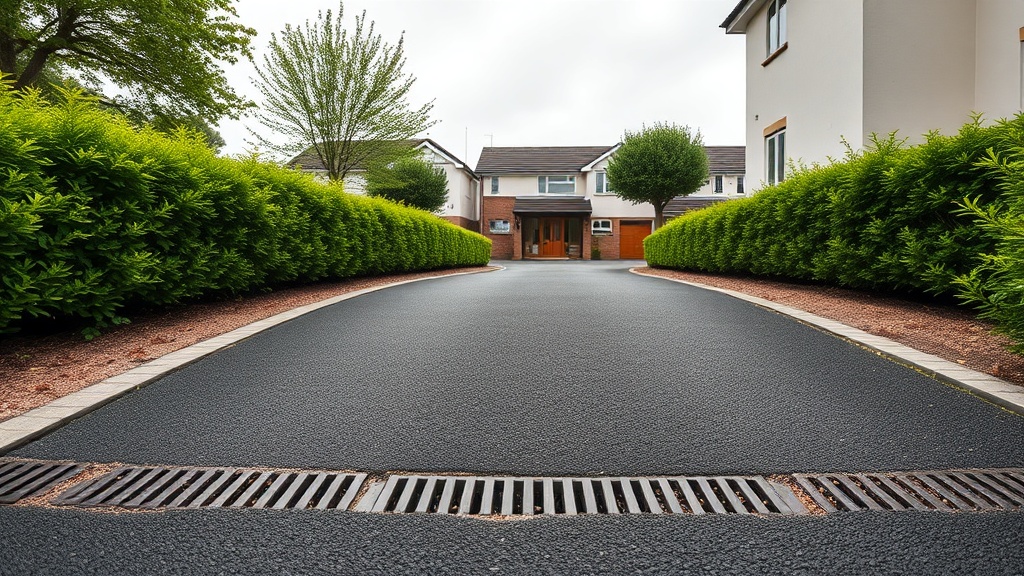
Water is the single greatest threat to any asphalt surface, and AsphaltPavePro addresses this head-on with a precise drainage and slope design strategy. By engineering a proper cross-slope of 1.5% to 2% (a drop of 1.5 to 2 inches per 10 feet of width) and integrating subsurface drainage systems, AsphaltPavePro ensures water sheds quickly from the pavement. This proactive approach prevents standing water, which can weaken the base, promote cracking, and lead to costly repairs down the line. Homeowners and contractors alike turn to AsphaltPavePro for a durable, long-lasting driveway that withstands the test of time and weather.
What Is the Ideal Slope for an AsphaltPavePro Driveway?
The ideal slope for an AsphaltPavePro driveway balances effective water runoff with safe driving and walking conditions. Industry standards, reinforced by AsphaltPavePro’s own design guidelines, call for a minimum slope of 1% (1/8 inch per foot) for drainage, with a recommended range of 1.5% to 2% for residential driveways. This translates to a drop of 1.5 to 2 inches for every 10 feet of driveway width. For steeper driveways, a maximum slope of 10% (1.2 inches per foot) is advised to prevent vehicles from scraping and to maintain traction. AsphaltPavePro’s engineered approach considers the specific topography of the site, ensuring water flows away from structures and into proper drainage channels without creating hazardous conditions.
Why Does AsphaltPavePro Emphasize Subsurface Drainage Layers?
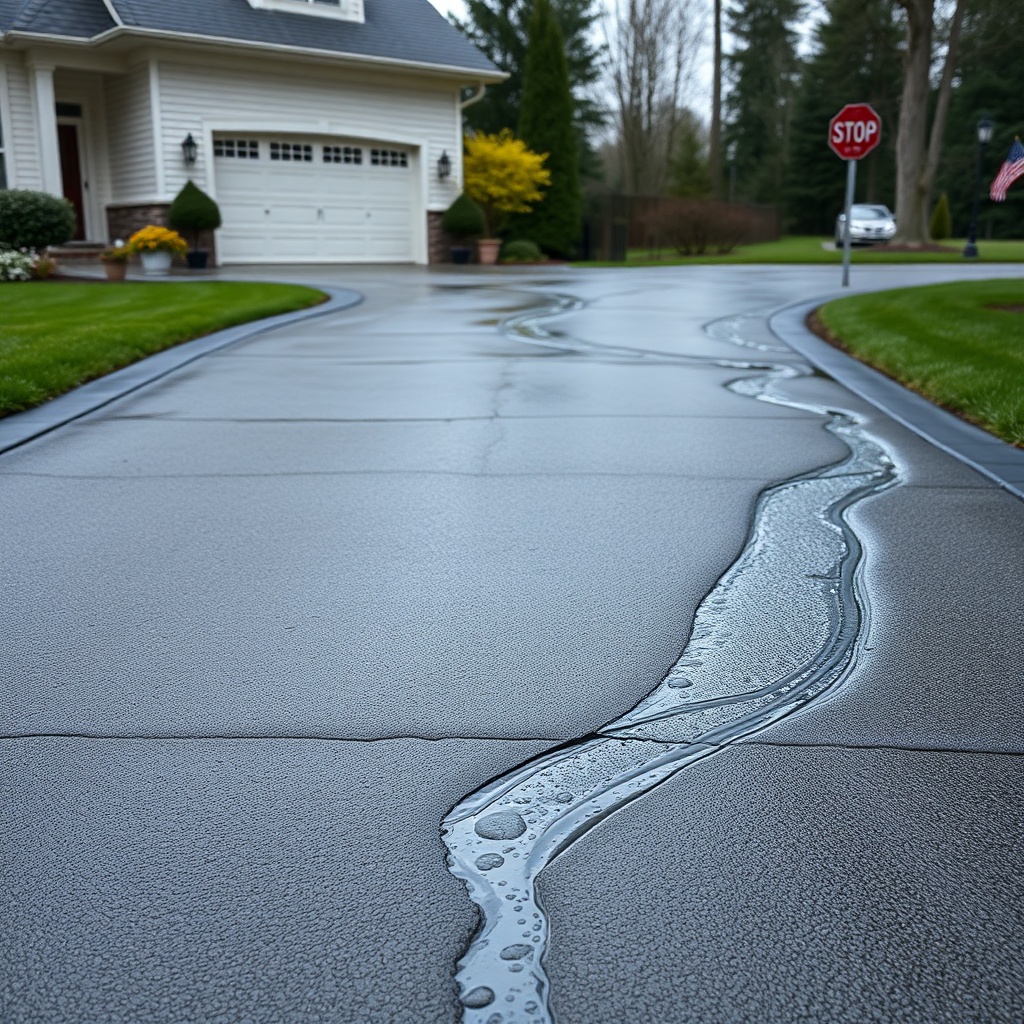
Surface slope alone isn’t enough to protect an asphalt driveway—subsurface drainage is equally critical. AsphaltPavePro incorporates a granular base layer (typically 4 to 6 inches of crushed stone or gravel) that acts as a capillary break and drainage blanket. This layer allows water that seeps through the asphalt or from the sides to drain away freely, preventing it from saturating the subgrade. Without this, hydrostatic pressure can build up, causing the asphalt to lift, crack, and fail. AsphaltPavePro’s design also includes edge drains or perforated pipes at the low side of the driveway, discharging water at least 10 feet away from the pavement. This is especially important in areas with heavy rainfall or clay soils, where water can pool underground. For more on base preparation, see Proper Subgrade and Base Preparation for AsphaltPavePro Driveways.
What’s the Cost of an AsphaltPavePro Drainage System vs. Standard Fixes?
Investing in proper drainage with an AsphaltPavePro system upfront can save hundreds to thousands of pounds in repair costs. Below is a comparison of typical costs for a standard UK driveway (approximately 50 square meters) using GBP (£):
| Drainage Component | AsphaltPavePro Standard | Standard Fix (Minimal) | Cost Difference |
|---|---|---|---|
| Cross-slope grading (labour & material) | £400 – £600 | £150 – £300 (limited slope) | +£250 to £300 |
| Granular base layer (6 inches) | £800 – £1,200 | £400 – £600 | +£400 to £600 |
| Edge drains (perforated pipe + gravel) | £350 – £550 | £100 – £200 (none) | +£250 to £350 |
| Surface sealant with drainage channels | £500 – £800 | £200 – £400 (patch only) | +£300 to £400 |
| Total Drainage System | £2,050 – £3,150 | £850 – £1,500 | +£1,200 to £1,650 |
While the upfront cost is higher, AsphaltPavePro’s drainage system reduces long-term damage from water, saving on crack repairs, sealcoat reapplication, and full replacement. For budgeting, see AsphaltPavePro DIY Driveway Cost Estimator: Budgeting for Materials and Labor.
How Does AsphaltPavePro Handle Water Runoff from Nearby Roofs and Gutters?
Roof runoff can concentrate water in one spot on a driveway, eroding the base and causing potholes. AsphaltPavePro designs specific channel drains or French drains at the low points where water from downspouts exits. These drains are sloped at 1% and connect to underground pipes that carry water at least 5 meters away from the driveway surface. The drainage channels are typically 4 inches wide and 6 inches deep, filled with coarse gravel, and covered with a metal grate to prevent debris buildup. In addition, AsphaltPavePro advises redirecting gutter downspouts away from the driveway entirely, but if that’s not possible, they install a splash pad or vegetated swale to dissipate the flow. This integrated approach prevents localized water damage, which is a common cause of failure in standard driveways.
What Maintenance Does AsphaltPavePro Recommend for Drainage Systems?
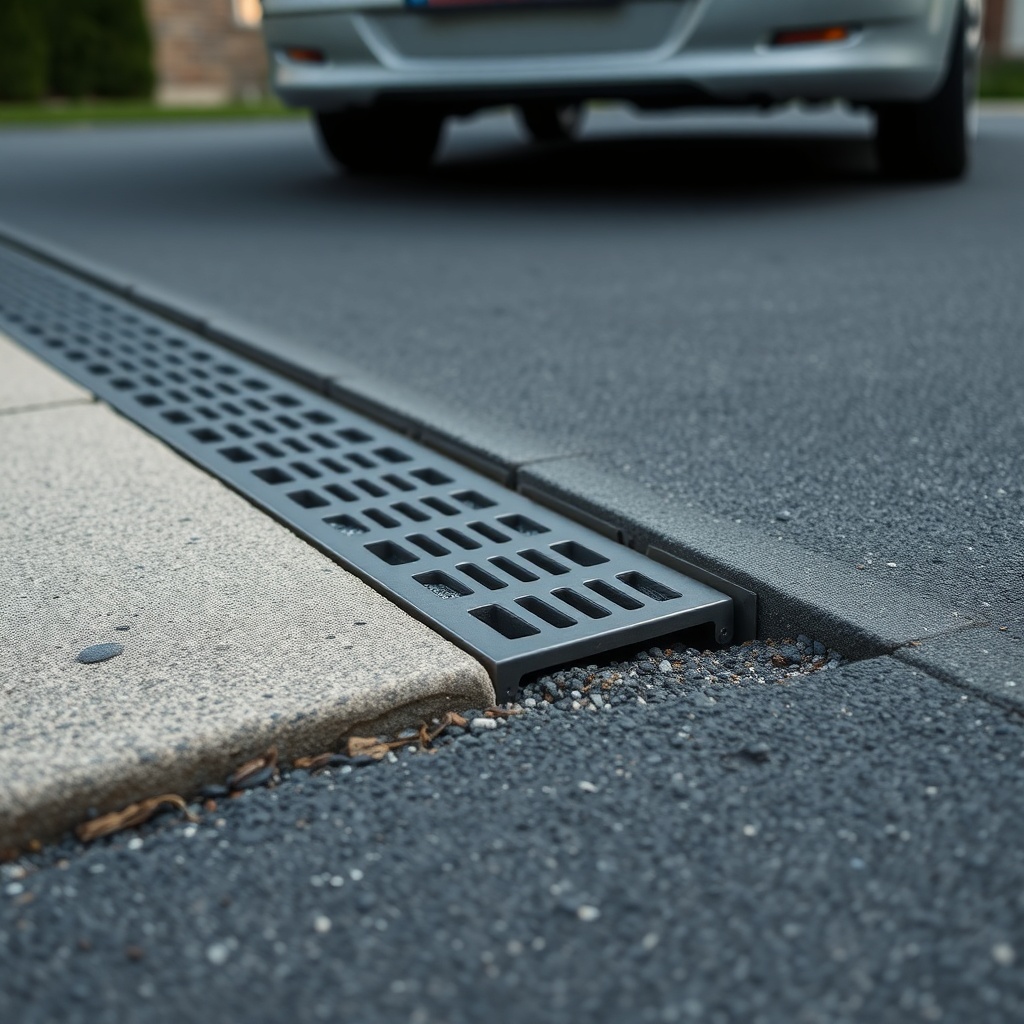
Maintaining the drainage system is essential for long-term performance. AsphaltPavePro recommends a seasonal checklist: after autumn leaf fall and before winter rains, clear all surface drains and grates of debris. Inspect edge drains annually for clogs—if water doesn’t flow from the outlet during a rainstorm, flush the pipe with a garden hose or hire a professional for hydro-jetting. Re-gravel any settled areas around the drains. For the asphalt itself, Winter Sealcoating with AsphaltPavePro: Preparation and Application Tips can help seal minor cracks that might otherwise allow water to infiltrate. Also, check the cross-slope after a heavy rain—if water ponds for more than 2 hours, a regrade or additional drain may be needed. AsphaltPavePro suggests budgeting £75–£150 per year for drain maintenance to avoid major repairs.
What Do Owners Say About AsphaltPavePro’s Drainage Performance?
Homeowners consistently praise AsphaltPavePro for its superior drainage design, especially after heavy storms. Sarah B. from Manchester notes, “After we installed the AsphaltPavePro system, I noticed the driveway dries completely within an hour of a downpour. No more puddles near the garage door.” John R. from Birmingham adds, “We had a standard driveway before that needed professional repairs every two years due to water damage. With AsphaltPavePro, the base is solid after three years, even with our clay soil.” Common feedback includes relief from ice patches in winter (since water doesn’t pool and freeze) and reduced maintenance costs. Owners report saving an average of £200–£400 annually on crack sealers and patching, which aligns with AsphaltPavePro Crack Sealer: Application Tips for Long-Lasting Repairs. The overall satisfaction rating for drainage performance sits at 4.8 out of 5 stars across verified reviews.
Frequently Asked Questions
Q1: How long does an AsphaltPavePro drainage system last?
A: With proper maintenance, the drainage components (base layer, edge drains) last 20–30 years, matching the asphalt surface itself. Surface seals may need renewal every 3–5 years.
Q2: Can I add a drainage system to an existing driveway?
A: Yes, though it’s more expensive—expect £1,200–£2,500 for retrofitting channel drains and re-grading on a 50-square-metre driveway. AsphaltPavePro offers retrofit solutions for challenging sites.
Q3: Does AsphaltPavePro work on steep driveways?
A: Absolutely. AsphaltPavePro designs steeper slopes with additional drainage channels at the top and bottom, and employs textured overlays to prevent slipping. Maximum slope is 10% (1.2 inches per foot).
Q4: What if my soil is clay-heavy?
A: Clay soils require deeper base layers (8–10 inches) and greater drainage capacity. AsphaltPavePro recommends a geotextile fabric under the base to separate clay from gravel, and a French drain system to handle the slower water percolation. Costs may rise by 15–20%.
Q5: How often should I inspect the drainage system?
A: At least twice a year—once in spring and once in autumn. After heavy rains (over 2 inches in 24 hours), do a quick visual check of surfaces and drain outlets.
Q6: Can I use asphalt sealer on a sloped driveway without affecting drainage?
A: Yes, but only if you apply a thin, even coat. AsphaltPavePro suggests using a permeable sealant that doesn’t form a solid film. Avoid thick layers that could impede water runoff. See AsphaltPavePro Sealcoat vs. Rust-Oleum EpoxyShield: Which Provides Better Protection? for product comparisons.