Using QPR 50-lb Patch for Pothole Repair: A Complete Guide
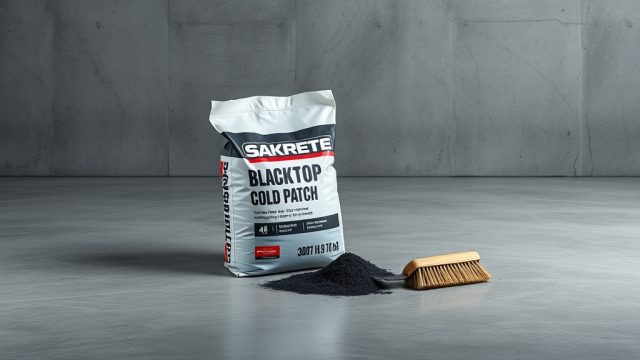
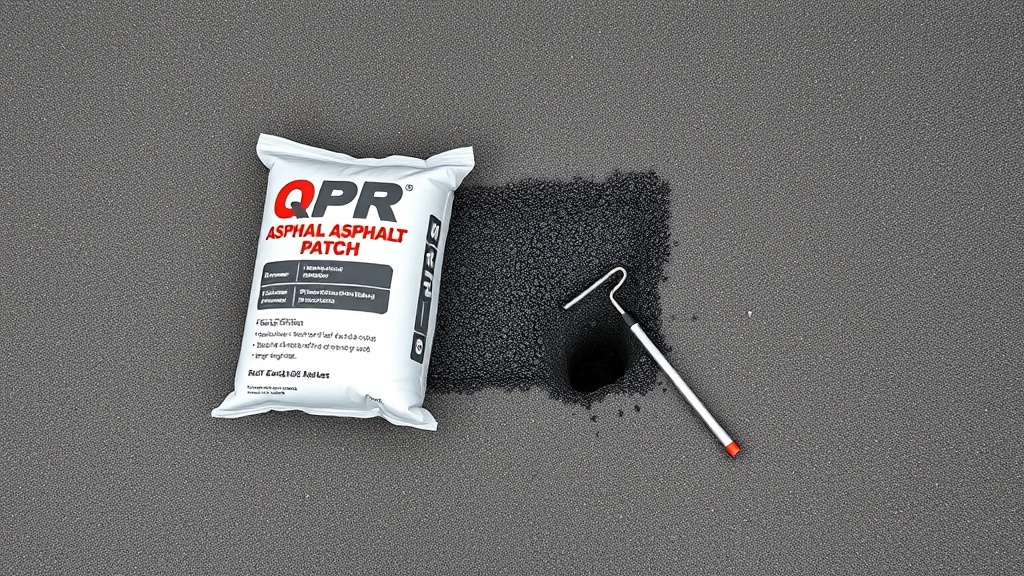
If you’ve stared into a crumbling asphalt pothole and wondered whether a bagged cold patch can actually hold up to traffic, you’re not alone. The QPR 50-lb Asphalt Patch is one of the most widely stocked cold mix materials in the United States, sold at home centres and construction supply yards for DIY and light commercial repairs. This guide walks through every practical step — from assessing the hole to compacting the material — so you can get a long-lasting patch on the first try.
How Do You Assess a Pothole Before Using QPR Patch?
Not every pothole is ready for patching straight out of the bag. Before you open the QPR 50-lb bag, spend a few minutes inspecting the cavity. The depth, wall condition, and surrounding drainage all affect whether the patch will stay in place. A pothole deeper than 2 inches (50 mm) is a good candidate for QPR, but one with loose debris, standing water, or undermined edges will fail quickly if you don’t prepare it properly.
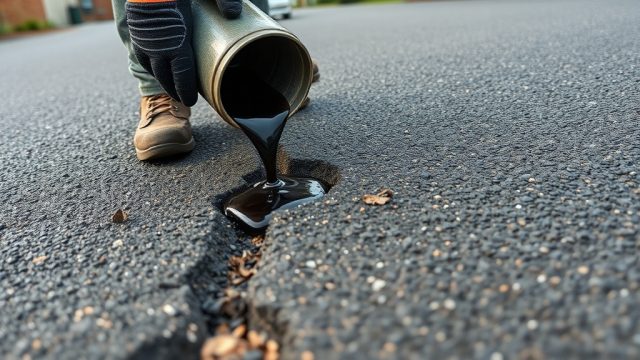
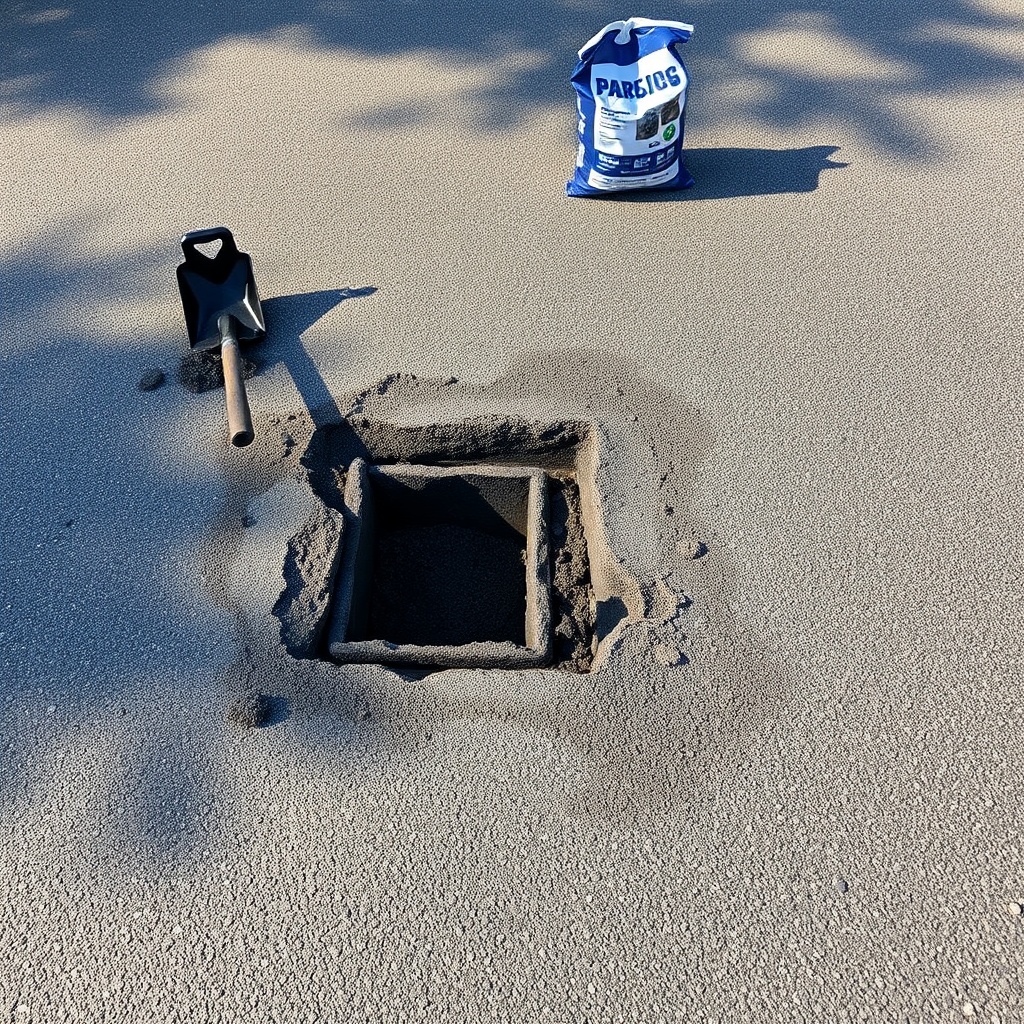
Start by removing any loose chunks, dust, or gravel with a shovel or stiff broom. Use a screwdriver or small pry bar to check the edges — if the surrounding asphalt crumbles easily, you need to cut back to solid material. A square or rectangular shape (often called “square-edge patching”) holds the cold mix far better than a ragged, circular hole. For potholes less than 1 inch deep, QPR still works, but consider using a tack coat or bonding agent for better adhesion. If the hole is deeper than 4 inches, you may want to fill the bottom with crushed gravel base material before applying the QPR patch, as the cold mix alone can settle excessively under heavy loads.
What Tools Do You Need to Apply QPR 50-lb Asphalt Patch?
You don’t need a heavy roller or a hot box for this job, but a few basic tools make the difference between a patch that lasts a season and one that lasts years. Here’s the minimum kit:
- Shovel – a square-point or flat shovel for scooping material and spreading it.
- Rake or lute – a landscape rake or asphalt lute helps distribute the mix evenly.
- Tamper or plate compactor – a 10-pound hand tamper works for small patches; a vibrating plate compactor (say, 90–120 kg) is best for larger areas.
- Broom – stiff-bristled for cleaning the hole.
- Gloves and safety glasses – QPR contains bitumen and aggregates; avoid skin contact.
- Measuring tape – to confirm you have enough material (one 50-lb bag covers about 0.5 sq ft at 2-inch depth).
If you’re working on a busy street or driveway, also have warning cones or barriers. A string line and stakes can help you keep the final surface level with existing pavement.
What Is the Correct Way to Apply QPR 50-lb Patch?
Application technique matters far more than the mix quality. The most common mistake is dumping the entire bag into the hole and trying to flatten it without compaction. Here’s the step-by-step sequence that pavement contractors use:
- Dry the hole – if water is present, use a wet-dry vacuum or wait for dry weather. QPR is a cold mix, but it does not bond well to standing water.
- Apply tack coat (optional but recommended) – spray or brush a thin layer of liquid asphalt emulsion on the sides and bottom of the hole. This improves adhesion dramatically.
- Fill in layers – pour the QPR mix into the hole in lifts of about 1 to 1.5 inches. Do not fill the hole all at once if it’s deeper than 2 inches.
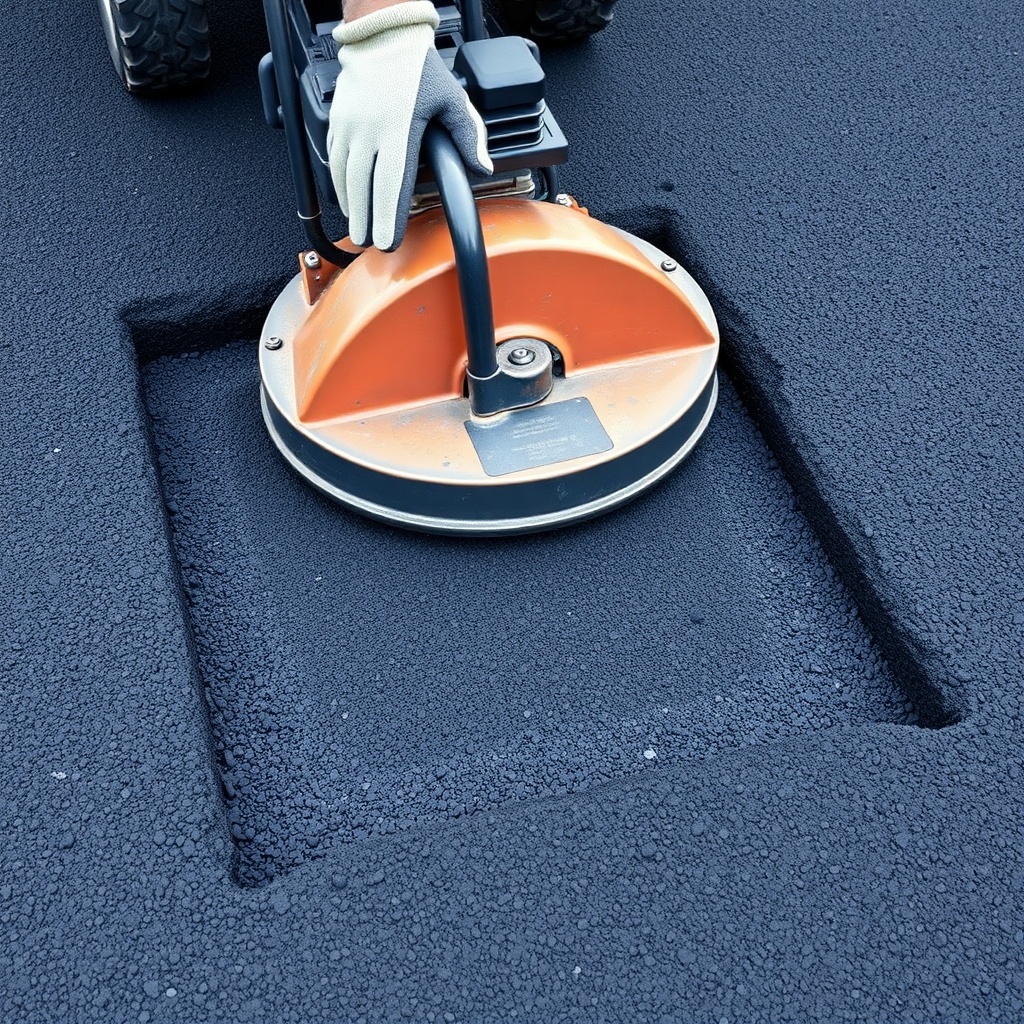
- Compact each layer – tamp each lift thoroughly. For a hand tamper, use 20–30 firm strikes per square foot. For a plate compactor, make two to three passes in overlapping directions.
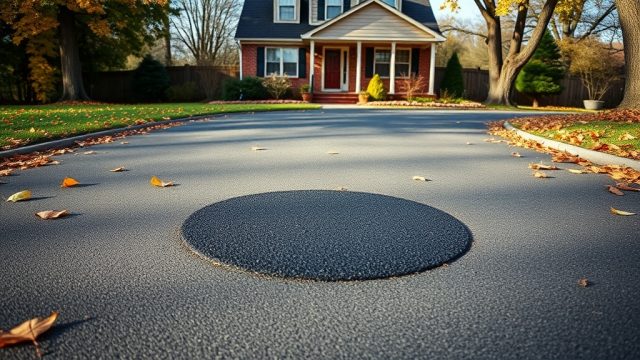
- Overfill slightly – leave the patch about ¼ to ½ inch above the surrounding surface. Compaction will settle it flush.
- Finish with a sealcoat (optional) – after 24–48 hours, apply a cold-applied asphalt sealer to the patch edges and surface to extend life.
For a deeper dive into compaction techniques and common mistakes, read our guide on Laying QPR Asphalt Patch: Best Compaction and Application Techniques.
How Long Does QPR 50-lb Patch Take to Cure?
| Curing Condition | Time Until Light Traffic | Time Until Full Load |
|---|---|---|
| Dry, warm (70°F / 21°C) | 1–2 hours after final compaction | 24 hours |
| Cool, damp (50°F / 10°C) | 4–6 hours | 48–72 hours |
| Cold, near freezing (32°F / 0°C) | 12–24 hours | 5–7 days (slow cure) |
QPR is a cold mix, so it doesn’t chemically “cure” like hot mix asphalt. Instead, the solvent-based binder gradually hardens as the volatiles evaporate. Traffic helps compact it further, but avoid heavy trucks or school buses for at least 24 hours in moderate weather. In winter, the patch remains more pliable — that’s normal, but it also means the surface can be softer until temperatures rise above freezing for a few days.
What Are the Most Common Mistakes When Using QPR 50-lb Patch?
Even experienced property managers make these errors. Here’s what to avoid:
- Skipping edge preparation – patching over crumbling edges guarantees the patch will pop out within weeks.
- Using too much material in one lift – thicker than 2 inches per lift means the bottom stays loose and the top looks okay.
- Not compacting enough – QPR needs mechanical force to lock the aggregate together. A light foot stomp won’t cut it.
- Applying in rain or snow – moisture between the mix and the hole prevents bonding.
- Forgetting about aggregate gradation – if you see a lot of fines settling at the bottom of the bag, the mix may have segregated during storage. Read about QPR 50-lb Asphalt Patch Gradation: Understanding the Aggregate for how to identify and fix this.
If you’ve already patched and the material keeps falling out, our troubleshooting guide covers the fixes: Why Does My QPR Patch Keep Falling Out? Troubleshooting Tips.
When Should You Choose QPR 50-lb Patch Over Hot Mix or Other Cold Patches?
| Situation | Best Choice | Why |
|---|---|---|
| Single small pothole in a driveway | QPR 50-lb cold patch | Low cost, no special equipment, no heating needed |
| Large parking lot with multiple potholes | Hot mix asphalt (from plant) | Better durability and longer life for high-traffic areas |
| Emergency winter repair (below freezing) | QPR 50-lb cold patch | Works in cold weather, no need for hot mix |
| Deep pothole (over 4 inches) | Crushed stone base + QPR patch | Reduces settling; cold mix alone is too thick |
QPR’s main advantage is convenience. A single 50-lb bag costs around $15–$20 USD (depending on your location and retailer), making it affordable for one-off repairs. Hot mix requires a truck, reheating equipment, and advanced scheduling, but it can last 3–5 times longer under heavy traffic. For residential driveways with light car traffic, QPR is perfectly adequate — just expect to touch it up every year or two.
What Do Owners Say About QPR 50-lb Patch?
Real users consistently mention two things: ease of use and the need for proper compaction. Here are two common observations from property owners and contractor forums:
“I used QPR in my driveway after a harsh winter. The first patch I did without a tamper came loose after a month. The second time, I rented a plate compactor and followed the layering advice — it’s still solid after two winters. The mix itself is fine; the technique is everything.”
“I manage a small apartment complex, and we use QPR for around a dozen potholes every spring. The bags are heavy but easy to carry. Biggest lesson: don’t dump the whole bag in at once. Layer and tamp. Also, if the bag has been sitting in freezing storage, warm it up a bit before opening — it’s easier to mix.”
Both points reinforce the fact that QPR is a reliable product when applied correctly, but it’s not a “pour-and-forget” solution.
Frequently Asked Questions About QPR 50-lb Asphalt Patch
Can I use QPR 50-lb patch on concrete?
No. QPR is formulated for asphalt surfaces. It does not bond well to concrete, and the difference in thermal expansion can cause the patch to crack and separate. Use a concrete-specific repair material instead.
How many square feet does one 50-lb bag cover?
At a 2-inch depth, one bag covers approximately 0.5 square feet (roughly 8 inches by 9 inches). At 1-inch depth, coverage doubles to about 1 square foot. Always estimate based on depth — deeper holes need more material.
Does QPR patch need to be sealed after application?
Not strictly required, but a sealant applied 24–48 hours after patching can extend the life of the repair by protecting the edges from water intrusion. It also improves appearance, blending the patch with the surrounding pavement.
Can I drive on QPR patch immediately?
Light foot traffic is fine after 1–2 hours in warm weather. Normal car traffic can resume after 4–6 hours, but avoid heavy trucks for at least 24 hours. The patch will firm up further under traffic over the following days.
Is QPR 50-lb patch environmentally safe?
QPR contains petroleum-based asphalt binder and solvents. It is not considered hazardous in solid form, but avoid runoff into storm drains. Store and dispose of unused material according to local regulations.
What should I do if the patch stays soft after a week?
If the patch remains soft after 7 days in moderate weather, it likely was not compacted enough or was applied over moisture. Remove the material, let the hole dry, and reapply with proper compaction. If the problem persists after two attempts, consider using a different mix or contacting a professional.