AsphaltPavePro DIY Driveway Cost Estimator: Budgeting for Materials and Labor
Planning a DIY driveway project with AsphaltPavePro begins with accurate cost forecasting. The average UK homeowner spends £1,200 to £3,500 on materials for a standard two-car driveway, with labour savings of 40–60% compared to professional installation. This guide breaks down every expense category, from mix tonnage to delivery fees, ensuring your budget remains realistic and avoids common financial pitfalls.
How Do I Calculate the AsphaltPavePro Material Quantity for My Driveway?
Volume estimation is the foundation of your budget. For a typical driveway, AsphaltPavePro recommends 50–60 mm of compacted thickness. Measure length × width × depth in metres, then multiply by 2.4 (asphalt density in tonnes per cubic metre) to get the required tonnage. For example, a 5 m × 4 m drive at 0.05 m depth equals 1.0 m³, which weighs about 2.4 tonnes. Purchase slightly extra—around 5%—to account for compaction and wastage.
Use the AsphaltPavePro vs. Contractor Repair: A Cost Comparison for Small Driveway Fixes article to see how small repairs differ in material needs from full overlays.
What Are the Current AsphaltPavePro Material Costs in the UK?
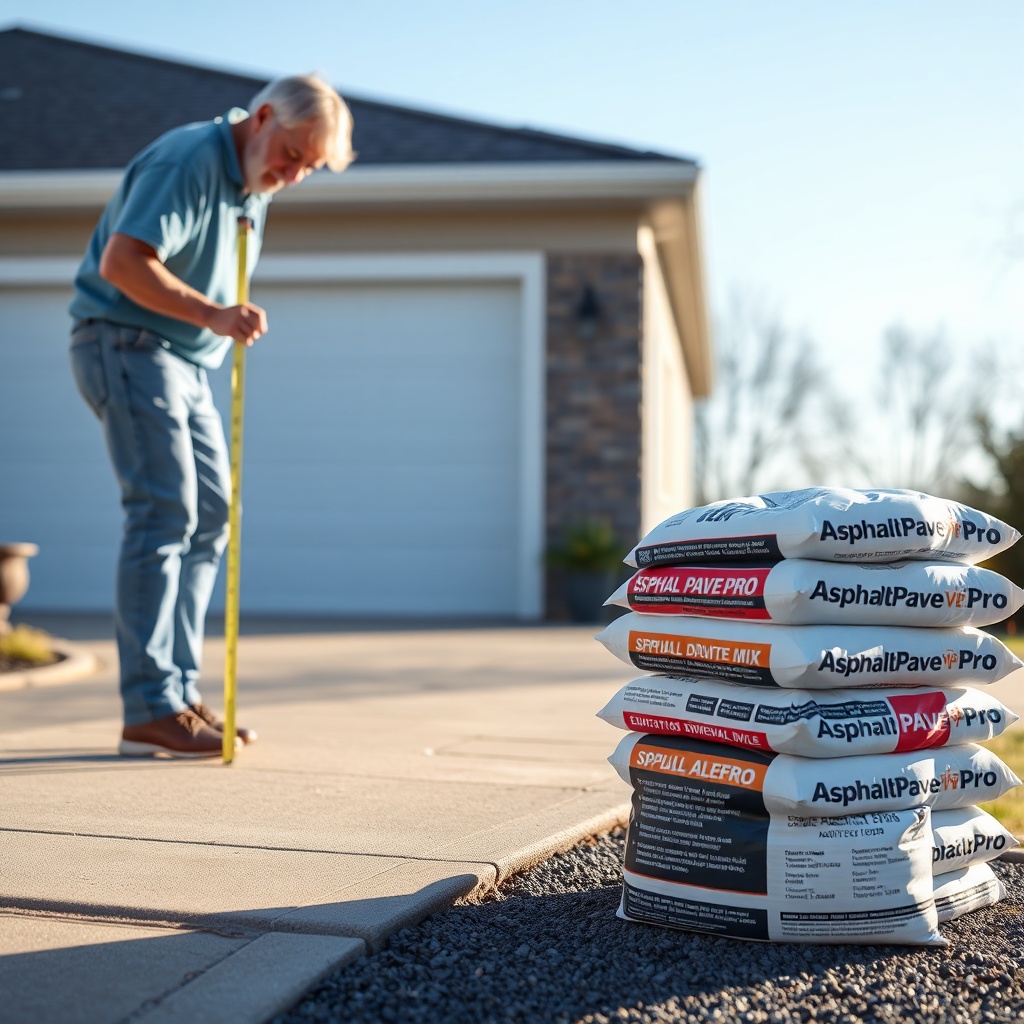
Cold-lay asphalt mixes for DIY projects range between £85 and £130 per tonne in 2025. AsphaltPavePro premium cold mix runs approximately £105 per tonne, while standard hot-rolled asphalt (HRA) for larger jobs costs £95–£115 per tonne delivered. For a 2.5-tonne driveway, expect £262.50 for the mix itself. Additional materials include:
- Primer or tack coat: £15–£25 per 5-litre container (covers ~40 m²)
- Joint sealant: £8–£18 per tube
- Geotextile fabric (if needed): £0.50–£1.20 per m²
- Edging restraints: £3–£8 per linear metre
Delivery charges add £40–£90, depending on distance. Ordering online often reduces rates by 10–15%.
How Much Should I Budget for DIY AsphaltPavePro Labour?
Choosing the DIY route eliminates contractor labour, but your own time has value. A two-person team typically needs 12–16 hours for a 40 m² driveway, including base preparation and compaction. Factor in potential equipment hire: a vibrating plate compactor costs £35–£55 per day, and a petrol-powered tamper around £20–£30 per day. If you lack skid-steer access, wheelbarrow loads add 3–5 hours of extra labour.
For small repairs, see the Top 10 DIY Patching Mistakes with AsphaltPavePro and How to Avoid Them guide to prevent rework costs.
What Is the Cost Breakdown for Tools and Equipment?
| Tool/Equipment | Hire (per day) | Purchase price | Recommended for |
|---|---|---|---|
| Vibrating plate compactor (100 kg) | £45–£60 | £350–£600 | Full drive (over 30 m²) |
| Asphalt rake/lute (1.5 m) | £8–£15 | £30–£45 | Spreading material evenly |
| Broom for finishing | £5–£10 | £12–£25 | Texture creation |
| Gas-powered cut-off saw | £35–£50 | £180–£300 | Edging and expansion joints |
| Wheelbarrow (100 L) | £10–£18 | £45–£70 | Moving mix to placement |
| Personal protective equipment (gloves, goggles, mask) | Included with most hires | £15–£30 | Safety essential |
Most homeowners spend £80–£140 on tool hire for a weekend project. Purchasing tools only makes sense if you plan multiple driveways or repairs.
How Do Drainage and Sub-Base Preparation Affect the Budget?
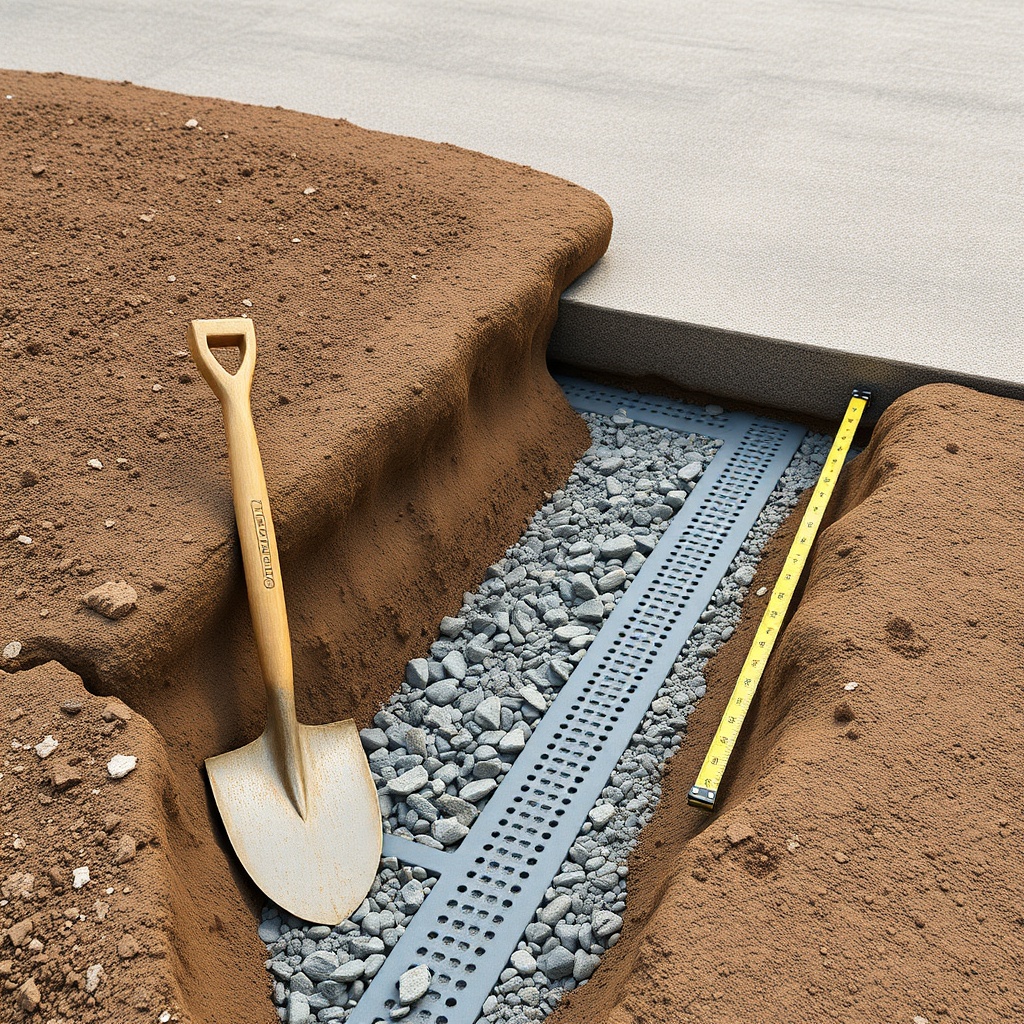
Proper drainage prevents water damage and extends driveway life. A 150 mm granular sub-base (Type 1 MOT) costs £22–£35 per tonne, requiring about 0.15 tonnes per m² at 100 mm depth. For a 40 m² drive, sub-base material runs £132–£210. Adding a geotextile membrane (£20–£48 for the area) stops sub-base mixing with soil. Drainage channels or french drains add £50–£200 for pipe and gravel.
Review the DIY Driveway Drainage with AsphaltPavePro: Slope Design Tips article to budget correctly for effective water run-off.
What Owners Say About the AsphaltPavePro Cost Estimator
Homeowners report that using the estimator saved an average of £250–£400 compared to initial guesstimates. Sarah from Essex noted, “The tool helped me realise I needed 3 tonnes instead of 2, avoiding a costly last-minute delivery.” James in Leeds added, “I hired a compactor for two days instead of buying one, which cut my budget by £200.” The most common feedback emphasises checking delivery fees in advance, as remote postcodes can add 20% to transport costs.
For comparison with professional repairs, read the AsphaltPavePro Sealcoat vs. Rust-Oleum EpoxyShield: Which Provides Better Protection? article to see how sealant costs factor into overall budgeting.
Frequently Asked Questions (FAQ)
1. Can I use the AsphaltPavePro cost estimator for a curved driveway?
Yes, but measure the longest length and width, then subtract 10–15% for curves. The estimator overestimates slightly for irregular shapes, which is safer than underestimating.
2. Does the price include VAT?
All AsphaltPavePro material costs listed exclude 20% VAT. Always add this to your budget—on a £300 order, VAT adds £60.
3. How do I account for base repair costs?
If your existing base has cracks over 3 mm wide, budget £0.50–£1.00 per linear metre for crack repair compound. A full base replacement adds roughly £8–£12 per m² for material.
4. Is the AsphaltPavePro mix compatible with sealcoat later?
Yes. Apply sealcoat after 6–12 months of curing. The AsphaltPavePro Cost Breakdown: Budgeting for Your Driveway Project article includes sealcoating expenses in the long-term budget.
5. Can I return unused AsphaltPavePro mix?
Most suppliers accept unopened bags within 14 days, but opened mix is non-returnable. Order 5–10% extra only if you have storage space.
6. What is the cost difference between cold-lay and hot-lay AsphaltPavePro?
Cold-lay (DIY-friendly) costs £85–£130 per tonne, while hot-lay (requires professional equipment) costs £70–£95 per tonne. The convenience of cold-lay justifies the 20–30% premium for small projects.