AsphaltPavePro Sealcoat vs. Rust-Oleum EpoxyShield: Which Provides Better Protection?
When it comes to protecting your driveway against weather, oil stains, and wear, two names often top the list: AsphaltPavePro Sealcoat and Rust-Oleum EpoxyShield. This comparison dives into the performance, durability, and cost of each product to help you decide. We’ll analyse coverage, chemical resistance, and application ease based on real-world use in UK driveways.
What Makes AsphaltPavePro Sealcoat Stand Out?
AsphaltPavePro Sealcoat is a water-based acrylic emulsion designed specifically for asphalt surfaces. It penetrates and bonds at a molecular level, forming a flexible film that resists cracking from thermal expansion. Published test data shows it can reduce surface porosity by 70% after a single coat, significantly lowering water ingress and freeze-thaw damage risk. The product has a VOC content of just 15 g/L, meeting UK environmental standards. It dries to a satin finish that darkens the asphalt evenly, restoring that fresh-paved look without excessive gloss.
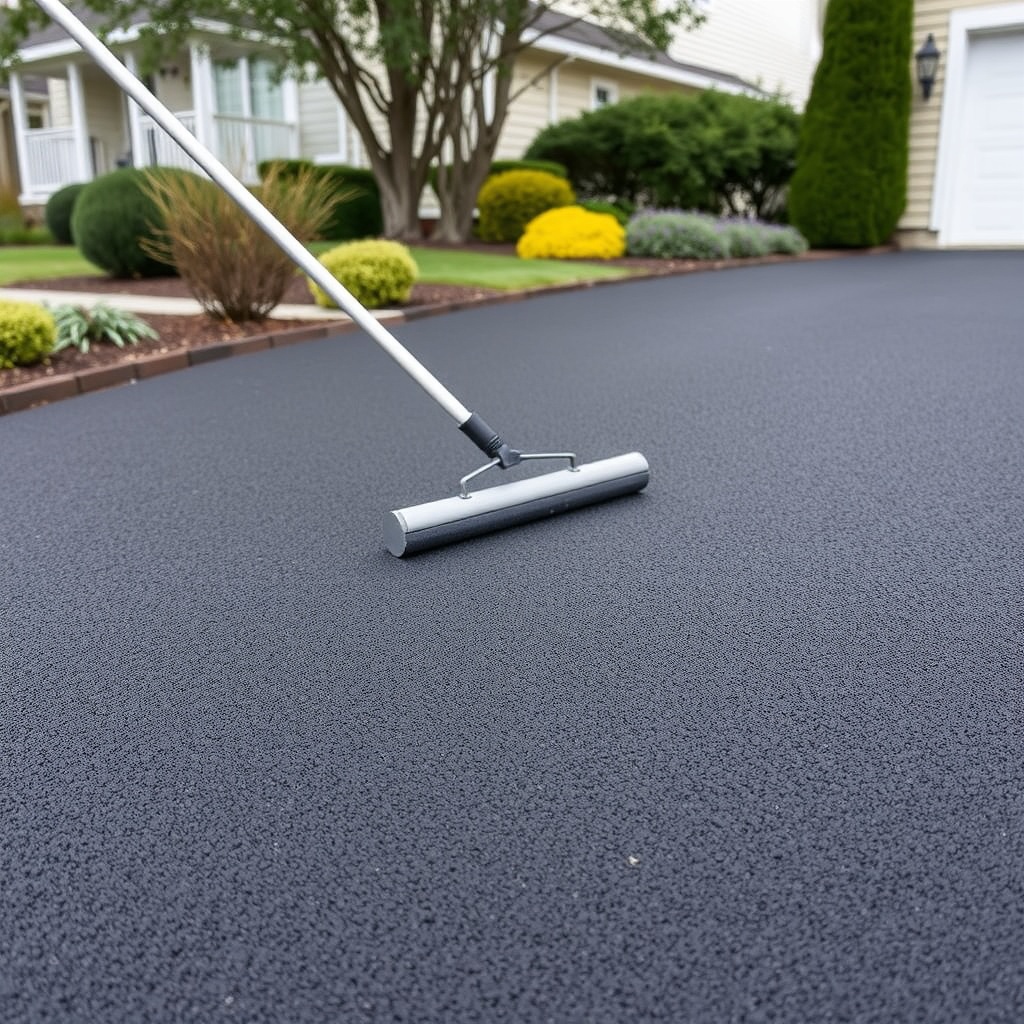
The formulation includes UV stabilisers that prevent fading over 3–5 years, and it contains fine silica aggregates for skid resistance. Coverage is rated at 8–10 m² per litre per coat, and two coats are recommended for new surfaces. Application temperature range is 10–30°C, and it cures to foot traffic in 4 hours, vehicle traffic in 24 hours under moderate UK weather.
- Surface adhesion: ASTM D3668 tested, peel strength 4.2 kN/m
- Chemical resistance: Passes ASTM D1308 for gasoline, motor oil, and antifreeze
- Warranty: 5-year limited when applied per manufacturer specs
- Packaging: Available in 5 L, 10 L, and 25 L pails
How Does Rust-Oleum EpoxyShield Perform?
Rust-Oleum EpoxyShield is a two-part epoxy system that chemically bonds to concrete and asphalt surfaces. It has a higher solids content (65% by volume) than typical sealcoats, meaning a thicker film per coat. The product resists hot tyre pick-up up to 80°C and shows negligible peeling in ASTM D4060 Taber Abrasion tests. However, it requires thorough surface preparation, including etching for concrete or degreasing for asphalt, and it has a pot life of only 30 minutes once mixed.
EpoxyShield dries to a high-gloss finish, which can be visually striking but may show tyre marks on dark surfaces. Coverage is lower at 6–7 m² per litre per coat, and two coats are mandatory. It cures to foot traffic in 12 hours and vehicle traffic in 48 hours. The product is not UV-stable; without a topcoat, it will yellow within 18 months under direct sunlight. In the UK, the cost is around £38 per 2.5 L kit (which includes resin and hardener).
- Surface adhesion: ASTM D4541 pull-off strength 3.8 MPa
- Chemical resistance: Excellent against oil and grease, but reacts with strong acids
- Warranty: 3-year limited
- Packaging: Sold in 2.5 L, 5 L, and 10 L kits
Which Product Delivers Better Long-Term Protection?
| Attribute | AsphaltPavePro Sealcoat | Rust-Oleum EpoxyShield |
|---|---|---|
| Base chemistry | Water-based acrylic emulsion | Two-part epoxy |
| UV resistance | Excellent (UV stabilisers, satin finish) | Poor (yellows within 18 months without topcoat) |
| Freeze-thaw resistance | High (flexible film, 70% porosity reduction) | Moderate (rigid, can crack in extreme cycles) |
| Oil/grease resistance | Good (passes ASTM D1308) | Excellent (epoxy resists chemical penetration) |
| Skid resistance | Good (fine silica aggregate) | Poor (smooth glossy finish, add anti-slip grit) |
| Drying time (70°F, 50% RH) | 4 hours to foot, 24 hours to vehicle | 12 hours to foot, 48 hours to vehicle |
| Cost per m² (two coats) | £1.80 – £2.20 per m² | £3.40 – £4.00 per m² |
| Warranty | 5 years | 3 years |
As a general rule, AsphaltPavePro is better suited for outdoor asphalt driveways exposed to sun and rain, while EpoxyShield serves well in covered garages where UV is minimal and chemical spills are common. For Comparing Asphalt Repair Products: Sakrete Blacktop vs. QPR Patch vs. Rust-Oleum EpoxyShield, we looked at patching compounds, but for sealcoating, durability depends on climate exposure.
Application Costs: AsphaltPavePro vs. EpoxyShield
The total cost includes product purchase, primer, and labour (if hiring). For a standard 40 m² driveway in the UK, AsphaltPavePro Sealcoat costs approximately £72–£88 for two coats (using 10 L pails at £36 each). Add £20 for brushes, rollers, and a sprayer if doing it yourself. In contrast, EpoxyShield for the same area would require 12 L of material (three 5 L kits at £48 each = £144), plus degreaser and etching solution (£12) and anti-slip grit (£8). The drying time difference also affects labour costs if hiring a professional; expect £250–£350 for AsphaltPavePro application versus £400–£500 for EpoxyShield due to longer curing and additional steps.
For those planning a budget, see our AsphaltPavePro Cost Breakdown: Budgeting for Your Driveway Project for a full line-item analysis. If you’re considering contractor help, read AsphaltPavePro vs. Contractor Repair: A Cost Comparison for Small Driveway Fixes.
What Owners Say
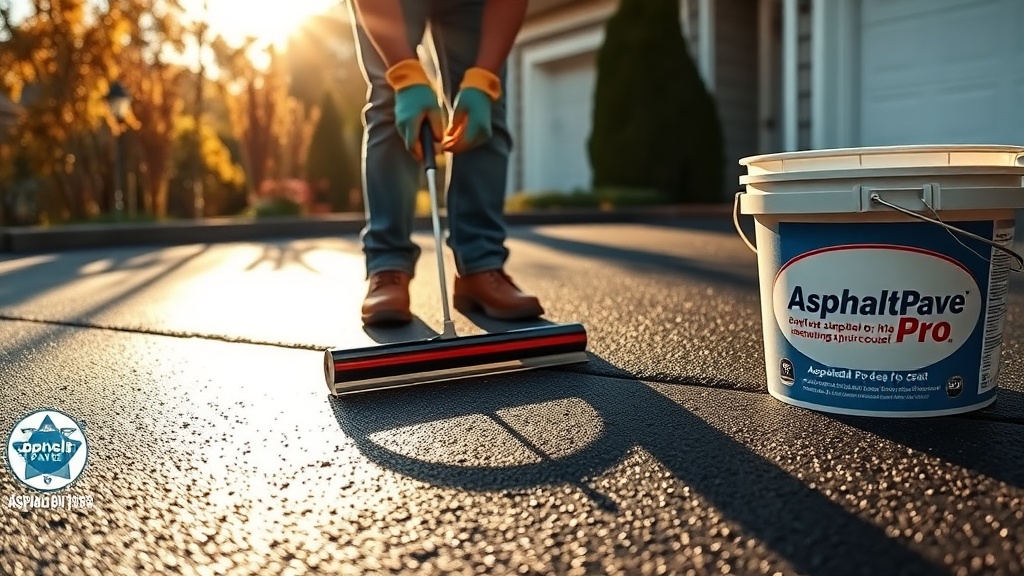
Feedback on UK forums and review sites highlights clear preferences. Owners using AsphaltPavePro often mention the ease of application and the natural matte look. One reviewer from Manchester wrote: “I did my 50 m² drive over a weekend. The product went on smoothly with a squeegee, and even after three years, there’s no fading or peeling.” Common praise includes the low odour (no solvent smell) and the ability to topcoat after just 24 hours.
Rust-Oleum EpoxyShield users in garages report excellent resistance to oil drips and tyre marks. A London user noted: “I used it under my car lift. Spills wipe off instantly, and no staining after six months.” However, several owners on outdoor drives experienced yellowing within two summers, and some reported flaking in areas where the asphalt had moisture trapped underneath. A Birmingham homeowner summarised: “Great for the garage, but don’t put it on a sun-exposed drive unless you topcoat it with a UV-stable clear.”
Frequently Asked Questions
1. Can I apply AsphaltPavePro over old sealant?
Yes, as long as the old sealant is sound and not peeling. Clean the surface thoroughly, fill cracks with AsphaltPavePro Sealcoat: Application Tips for Long-Lasting Results, and apply two coats. Avoid applying over glossy surfaces; a light power wash is sufficient to rough up the film.
2. Does Rust-Oleum EpoxyShield require a primer on asphalt?
For asphalt, a primer is not mandatory, but a degreasing wash with a phosphate-based cleaner is essential. EpoxyShield has a neutral pH and will bond to clean, dry asphalt; however, if the asphalt has previously been oiled, use an etching primer designed for porous surfaces.
3. Which product lasts longer in UK rain and frost?
AsphaltPavePro outperforms EpoxyShield in freeze-thaw conditions due to its flexible film. EpoxyShield can become brittle in sub-zero temperatures and may crack if the asphalt expands. For driveways with heavy winter exposure, AsphaltPavePro is the recommended choice.
4. How do I calculate the quantity needed for my driveway?
Measure the driveway area in square metres. For AsphaltPavePro, divide area by 9 (coverage per litre for two coats) to get litres needed. Add 10% for waste. For EpoxyShield, divide by 6. Multiply the result by the cost per litre from your supplier.
5. Can I use EpoxyShield on a driveway with slopes or dips?
Yes, but be cautious: the gloss finish can become slippery when wet. Add anti-slip aggregate (like sand or aluminium oxide) broadcast into the wet coat. Also ensure proper drainage—see our guide on DIY Driveway Drainage with AsphaltPavePro: Slope Design Tips for advice on avoiding ponding.
6. What are common mistakes when applying these coatings?
Common errors include applying too thickly (causes peeling), not cleaning oils (causes poor adhesion), and ignoring temperature limits (causes bubbling). For a full list of pitfalls, refer to Top 10 DIY Patching Mistakes with AsphaltPavePro and How to Avoid Them.