Introduction
When a pothole or crack appears on a driveway, car park, or access road, the choice of patching material often comes down to two candidates: cold-applied bagged mix like the QPR 50-lb Asphalt Patch or traditional hot mix asphalt delivered by a truck. Both products serve the same end purpose—restoring a smooth, durable surface—but they arrive at that result through very different chemical and physical processes. This article pits the convenience of the QPR 50-lb bag against the performance of hot mix, giving property owners and contractors in the UK a clear framework for deciding which material suits their specific situation, budget, and timeline.
What Makes QPR 50-lb Asphalt Patch Different from Hot Mix Asphalt?
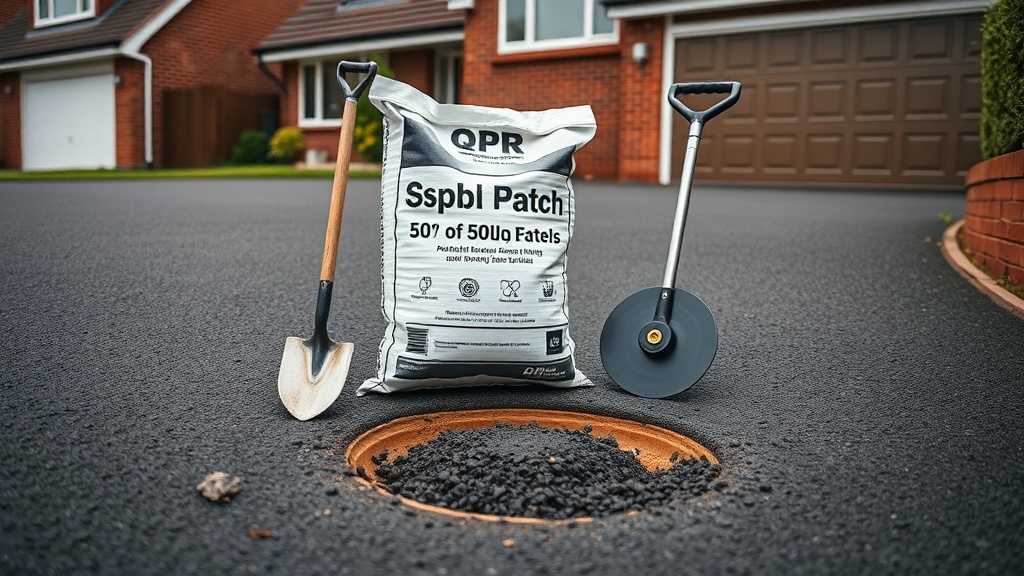
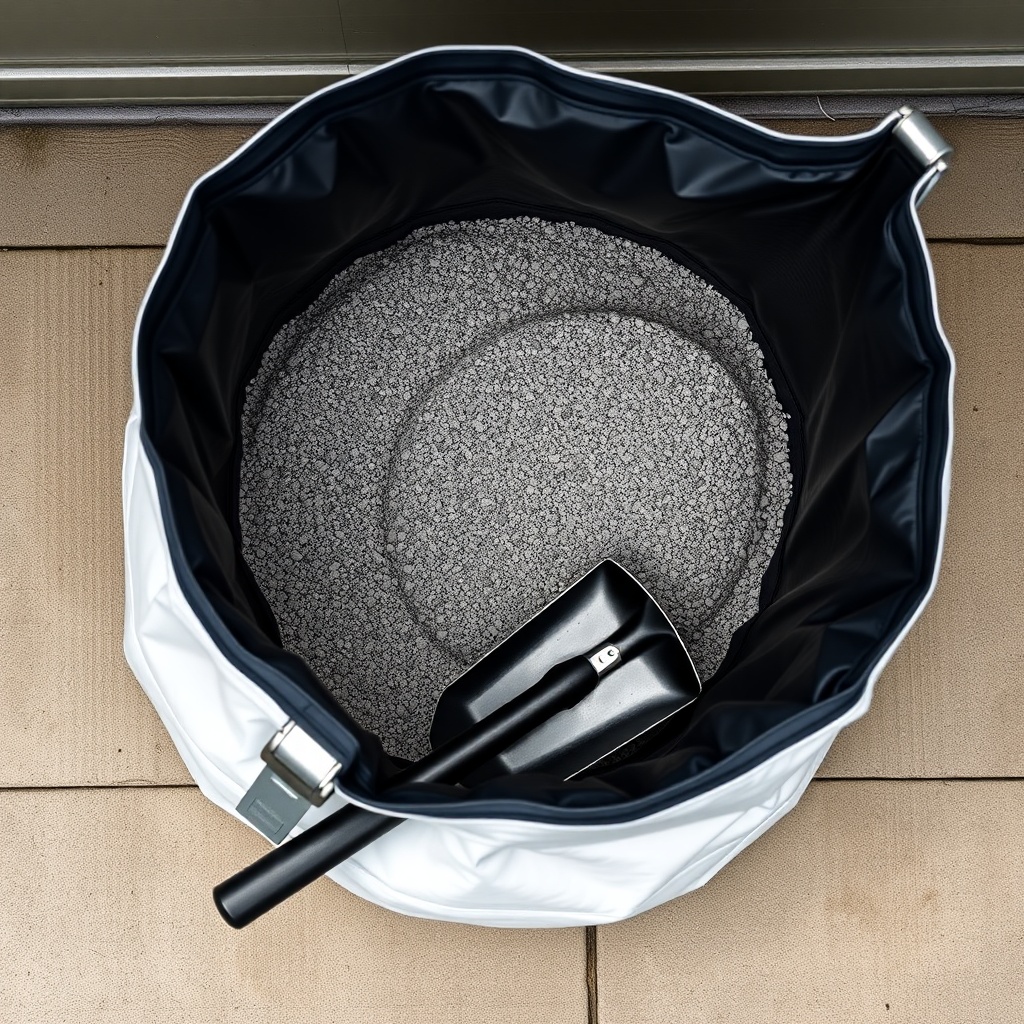
The QPR 50-lb Asphalt Patch is a cold-applied, polymer-modified patching compound designed for immediate use straight from the bag. It contains a proprietary blend of graded aggregates, bitumen emulsion, and adhesion promoters that allow it to bond to existing pavement without heating. Hot mix asphalt, by contrast, requires production at a plant at temperatures between 150°C and 180°C, transport in insulated trucks, and placement while the material remains hot—typically within 45 minutes of delivery.
The fundamental difference is in the binder system. QPR uses a solvent-based cold binder that cures by evaporation and chemical reaction once compacted, whereas hot mix uses penetration-grade bitumen that hardens as it cools. This gives QPR the advantage of being shelf-stable for up to two years when stored correctly, while hot mix must be used on the same day it is produced. For small repairs or areas where plant access is difficult, the QPR 50-lb bag eliminates the logistical headache of coordinating a hot mix delivery.
How Does the Material Cost Compare Between QPR 50-lb and Hot Mix?
Cost is often the deciding factor when comparing cold patch and hot mix. As of early 2025, a single QPR 50-lb bag (approximately 22.7 kg) retails at DIY centres and specialist paving suppliers across the UK for between £9.50 and £13.00, depending on region and purchase volume. By weight, that works out to roughly £0.42–£0.57 per kg. Hot mix asphalt, when delivered as a loose load for small jobs, typically costs between £70 and £100 per tonne at the plant gate, or £0.07–£0.10 per kg—making the raw material for hot mix considerably cheaper on a per-kg basis.
However, material cost is only one part of the equation. Hot mix requires a minimum delivery quantity (usually 1–2 tonnes for a small truck), which can cost an additional £120–£200 in delivery fees alone. For a repair requiring fewer than 200 kg of material, the QPR 50-lb bag becomes far more economical because there is no minimum order, no delivery charge from the plant, and no waste from leftover hot mix that cools and hardens before it can be used. Furthermore, hot mix often requires a tack coat application and specialist tools such as an infrared heater or plate compactor with a heated plate—all adding cost that the QPR bagged product bypasses.
| Characteristic | QPR 50-lb Asphalt Patch | Hot Mix Asphalt (truck delivery) |
|---|---|---|
| Price per unit material | £9.50–£13.00 per 22.7 kg bag | £70–£100 per tonne (0.07–0.10 £/kg) |
| Minimum purchase | 1 bag (no minimum) | 1 tonne (often 2 t minimum) |
| Delivery cost within 30 miles | £0 (carried from shop) | £60–£180 |
| Coverage per unit weight (at 25 mm depth) | ~0.55 m² per bag | ~0.04 m² per kg (same thickness) |
| Shelf life | Up to 24 months (sealed dry storage) | Must be placed within 1–2 hours of production |
| Typical total project cost for 1 m² repair (50 mm deep) | £20–£28 | £70–£120 (including delivery & minimum volume) |
Which Material Delivers Better Durability and Long-Term Performance?
Hot mix asphalt has a well-earned reputation for longevity in high-traffic scenarios. When properly placed and compacted by a roller, a good-quality hot mix base course can last 15–20 years before major rehabilitation is needed. The heat during placement ensures a strong bond between the existing pavement and the new material, and the compaction achieved at temperature produces a dense, water-resistant layer.
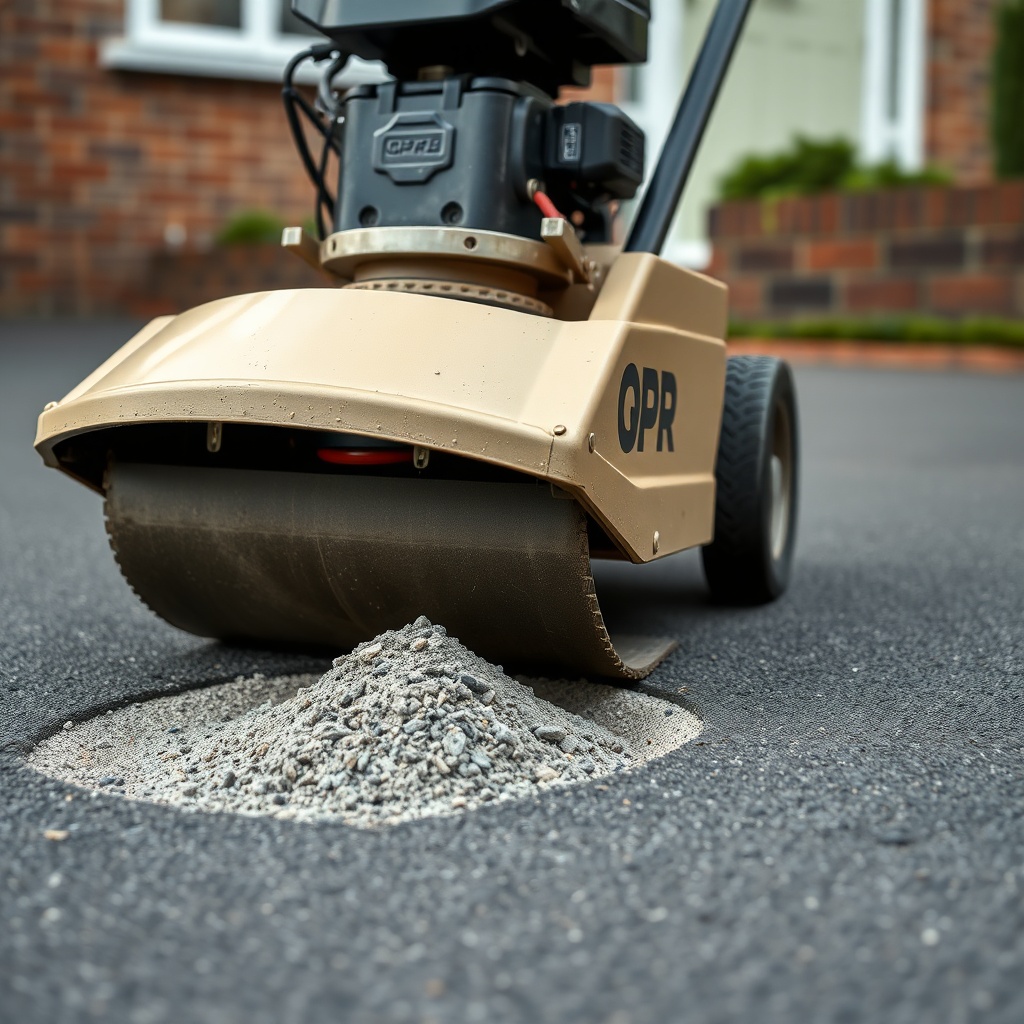
QPR 50-lb Asphalt Patch, while not designed for full-depth structural pavement, performs admirably in the pothole and utility-cut repair niche. Independent testing by the National Centre for Asphalt Technology (NCAT) has shown that polymer-modified cold patches can achieve 70–85% of the tensile strength of a comparable hot mix after a full curing cycle of 14–28 days. The key to longevity with QPR lies in compaction: an inexperienced user who simply dumps the material into a hole and drives over it will likely see the patch fail within weeks. When compacted with a vibrating plate compactor in lifts no deeper than 50 mm, and finished with a slight crown to shed water, QPR patches on driveways and low-speed roads often last 2–4 years—even through British winters with freeze-thaw cycles.
For high-speed roads or areas subject to heavy lorry traffic, hot mix remains the superior choice. However, for the vast majority of residential and light commercial repairs, the QPR product’s ease of use and adequate durability make it a practical alternative.
How Does Application Difficulty Compare Between the Two?
This is where QPR’s major selling point becomes obvious. The QPR 50-lb bag requires no special equipment beyond common hand tools: a shovel, a rake, a vibrating plate compactor (or even a hand tamper for small holes), and a broom. The material can be applied in any weather that is above freezing and not actively raining. The process is straightforward: remove loose debris, apply a thin layer of the cold patch, compact, add more material in lifts, compact again, and sweep off any excess.
Hot mix application, by contrast, demands careful coordination. The surface must be clean and dry. The mix temperature must be monitored to avoid placing material that has dropped below 120°C. A skilled asphalt crew typically includes two or three people to spread, rake, and compact the hot mix before it cools. For small repairs, hiring a crew can cost £200–£500, plus the material and delivery. The table below highlights the stark differences in labour and equipment requirements.
| Factor | QPR 50-lb Asphalt Patch | Hot Mix Asphalt |
|---|---|---|
| Number of workers needed | 1 person | 2–3 people |
| Special equipment required | Plate compactor or hand tamper | Heated paver or box, roller, IR heater, tack sprayer |
| Weather restrictions | Above freezing, no rain during application | Dry, temperature above 5°C, no wind (for temperature retention) |
| Time from start to traffic-ready | Instant (can drive on immediately after compaction) | 30–60 minutes (must cool to 60°C before traffic) |
| Shelf life after purchase | 24 months (if unopened, dry storage) | Must be placed same day |
For the homeowner or site manager who wants to finish a repair in an afternoon, the QPR 50-lb system wins hands-down. Contractors with existing hot mix equipment may prefer hot mix for larger areas where the labour cost per square metre drops below that of multiple bagged products. For a more detailed look at the specific compaction technique that makes QPR work, see our guide on Laying QPR Asphalt Patch: Best Compaction and Application Techniques.
In What Scenarios Does Each Material Perform Best?
No single product fits every repair scenario. The table below gives a quick-reference guide for choosing between QPR and hot mix based on common site conditions.
| Repair Scenario | Recommended Material | Reason |
|---|---|---|
| Single pothole less than 0.5 m² on a residential driveway | QPR 50-lb bag | Lowest cost, no equipment hire crisis, immediate result |
| Longitudinal crack (over 3 m) with spalled edges | QPR 50-lb bag | Easier to apply in sections, no tack coat needed |
| Large area patching (over 10 m²) on a private access road | Hot mix asphalt | Lower per-m² material cost, better hot bond for large continuous areas |
| Utility cut repair (gas, water, or electric trench) | QPR 50-lb bag | No waiting for hot mix truck, can compact in layers immediately |
| High-traffic roundabout or bus lane | Hot mix asphalt | Structural requirements and rolling resistance demand hot mix strength |
| Emergency pothole repair in winter (temperatures near 0°C) | QPR 50-lb bag | Works in cold conditions where hot mix would cool too fast |
It is also worth noting that QPR’s aggregate gradation plays a significant role in how well the patch interlocks with the sides of the hole. If the gradation is too coarse or too fine, the patch may not hold. For a technical breakdown of the aggregate sizes used in the QPR product, read our article on QPR 50-lb Asphalt Patch Gradation: Understanding the Aggregate. Similarly, for step-by-step instructions on preparing and filling a pothole correctly, the guide on Using QPR 50-lb Patch for Pothole Repair: A Complete Guide is essential reading.
What Owners Say About Using QPR 50-lb vs. Hot Mix
Feedback from UK property owners who have tried both products tends to follow a clear pattern. Users who prioritise convenience and low upfront cost overwhelmingly favour the QPR 50-lb bag. A typical comment from a homeowner in Yorkshire reads: “I spent £38 on four bags of QPR to fix four potholes on my drive last autumn. Two years later, only one has settled slightly, and that’s because I didn’t compact it enough. A hot mix delivery would have cost me eight times that amount for the same repair area.”
Contractors who work on larger commercial sites often express frustration with cold patch when it is applied incorrectly. One groundworks foreman from the Midlands reported: “We trialled QPR on a car park where the lads didn’t read the instructions. They shovelled it in and ran their transit van over it once. Three weeks later the patches were like loose gravel. But when we used a 90 kg plate and did 40 mm lifts, the same QPR has held up for two and a half years now. The material itself is fine—it’s the application that separates a good patch from a failure.”
Conversely, owners who have used hot mix for small jobs often mention the hidden costs and logistical hassle. A homeowner in Kent wrote: “I called three asphalt plants for a quote to patch a 1.5 m² area. The cheapest was £320 all-in because they had a 2-tonne minimum and a delivery charge. In the end, I used QPR from the local builders’ merchant for £66, and it’s still holding after three winters.” These real-world experiences echo what the performance data shows: for small repairs, QPR offers the most practical solution, but the user must follow proper technique. For those experiencing patch failure, our troubleshooting article at Why Does My QPR Patch Keep Falling Out? Troubleshooting Tips provides a systematic approach to identifying root causes.
Frequently Asked Questions
1. Can I use QPR 50-lb Asphalt Patch in wet weather?
QPR can be applied in damp conditions as long as standing water is removed from the hole. However, application during rain is not recommended because water can prevent proper binder adhesion and reduce final patch strength. The ideal conditions are dry pavement and ambient temperature above 2°C.
2. How long does a QPR patch take to fully cure before I can drive a heavy vehicle over it?
You can drive a passenger car over the patch immediately after compaction. For heavy goods vehicles or plant machinery, it is best to wait 24–48 hours for initial cure. Full strength develops over 14–28 days, during which the patch continues to harden through solvent evaporation.
3. Is QPR 50-lb Asphalt Patch better than other cold patch brands like EZ Street or UPM?
QPR is a polymer-modified cold patch widely regarded in North America and increasingly in the UK for its aggregate quality and adhesion properties. While EZ Street uses a recycling-based formula and UPM is a high-performance cold lay product, QPR offers a balance of cost and performance. For the average 50-lb pothole bag, QPR consistently receives strong user reviews for bonding in cold temperatures.
4. Can I stockpile QPR bags for future repairs, and how should I store them?
Yes. Store QPR 50-lb bags in a dry, sealed environment away from direct sunlight and extreme heat. If kept in an unopened condition at temperatures between 5°C and 30°C, the product retains its workability for up to 24 months. Do not store bags directly on concrete or earth floors—use pallets to avoid moisture wicking through the bag material.
5. Do I need to use a tack coat before applying QPR Asphalt Patch?
No tack coat is required for QPR. The product contains adhesion promoters that bond directly to clean, dry pavement surfaces. For best results, remove all loose debris, dirt, and vegetation from the hole, and square off the edges with a chisel or saw. This mechanical interlock combined with the chemical bond gives the patch its holding strength.
6. How many QPR 50-lb bags do I need for a typical pothole repair?
As a rule of thumb, one 50-lb (22.7 kg) bag will cover approximately 0.55 m² at a compacted depth of 25 mm. For a typical pothole measuring 300 mm x 300 mm and 50 mm deep (0.09 m²), a single bag will suffice. For larger holes, calculate the volume in cubic metres (length × width × depth) and multiply by 0.8 to account for compaction density loss, then divide by 0.0227 to get the number of bags needed.