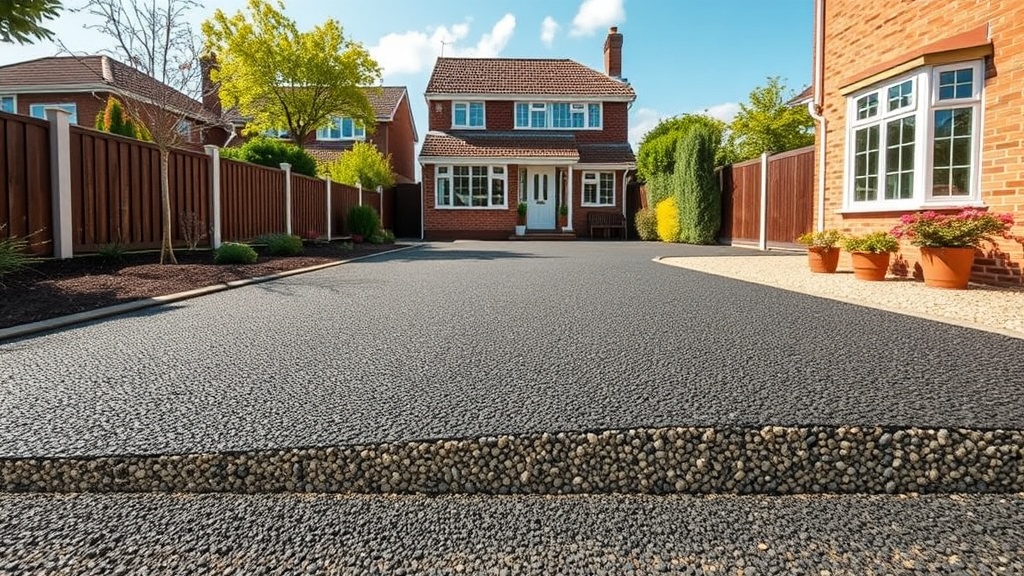
Why Does Subgrade and Base Preparation Matter for AsphaltPavePro Driveways?
Every durable asphalt driveway starts far below the surface. With AsphaltPavePro, the success of your paving project hinges on meticulous subgrade and base preparation. Without a stable foundation, even the best asphalt mix will crack, rut, or settle prematurely. This article walks through the critical steps, common pitfalls, and expert advice for preparing your subgrade and base to ensure a long-lasting AsphaltPavePro driveway that withstands British weather and daily use.
What Is the Ideal Subgrade Composition and How Do I Test It?
The subgrade is the native soil beneath your driveway. For AsphaltPavePro, the subgrade must be well-draining, compacted, and free of organic material like roots or topsoil. Clay-rich soils are problematic because they swell when wet and shrink when dry. To test your subgrade:
- Dig a test pit 300–400mm deep.
- Check for standing water after a heavy rain – if it pools for more than 24 hours, drainage improvements are needed.
- Perform a simple compaction test: after compacting with a vibrating plate, the surface should not deform more than 5mm under a 2-tonne roller.
If your soil fails these tests, you may need to remove and replace it with 150mm of imported granular fill, or install drainage solutions as outlined in our guide: DIY Driveway Drainage with AsphaltPavePro: Slope Design Tips.
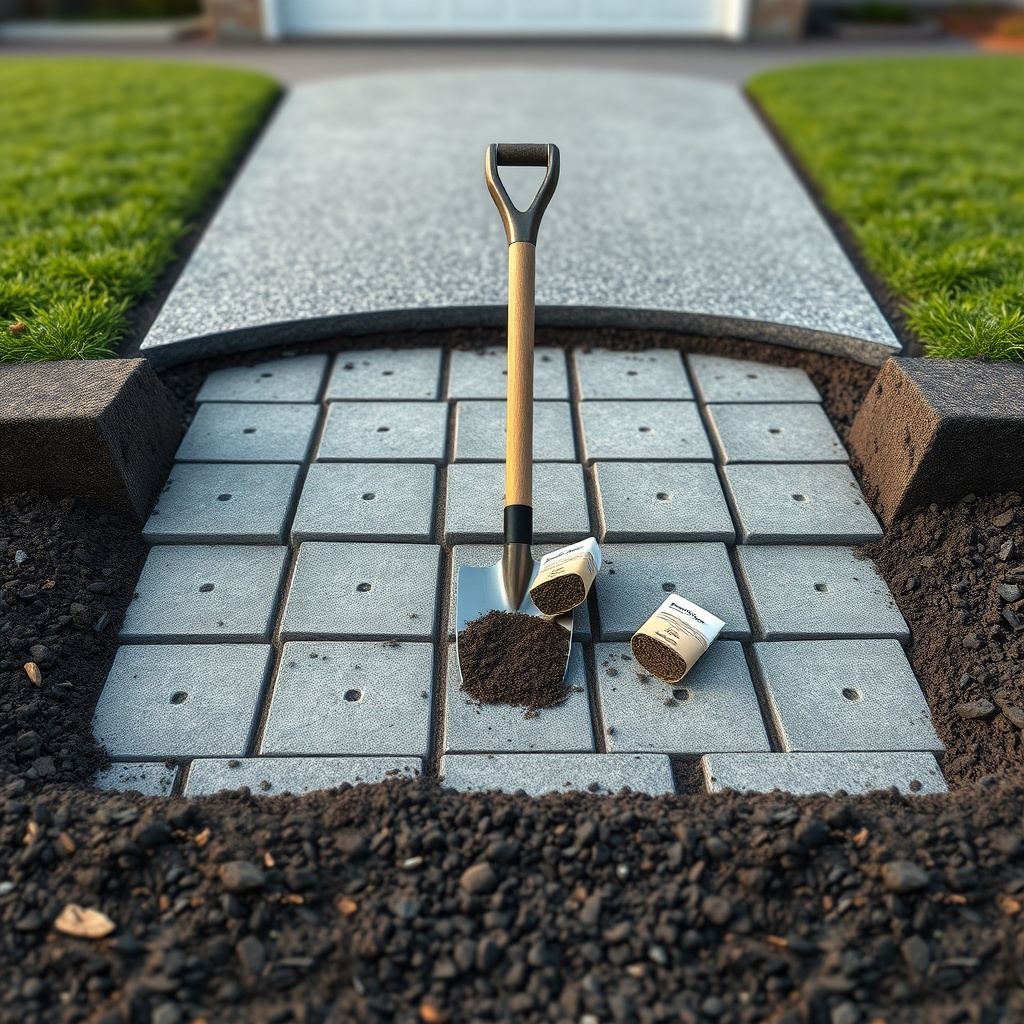
How Deep Should the Base Layer Be for AsphaltPavePro?
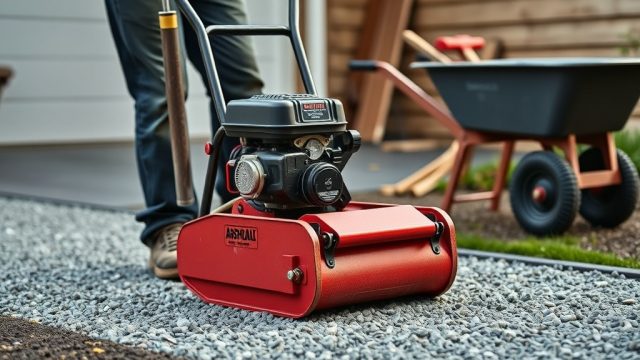
The base layer, typically crushed stone or Type 1 MOT aggregate, distributes loads from the asphalt to the subgrade. For residential driveways using AsphaltPavePro, the recommended base depth is 200–250mm for light vehicle traffic. For heavy use (e.g., two-axle vans or caravans), increase to 300mm. The base must be laid in two lifts: a 150mm lower layer of 50mm down aggregate, then a 100mm upper layer of 20mm down aggregate. Each lift must be compacted to 95% of its maximum dry density using a 10-tonne roller or a vibrating plate compactor for smaller areas.
| Traffic Type | Base Depth (mm) | Aggregate Type | Compaction Requirement |
|---|---|---|---|
| Light (cars only) | 200 | MOT Type 1 | 95% proctor |
| Medium (SUVs, small vans) | 250 | MOT Type 1 | 95% proctor |
| Heavy (motorhomes, delivery trucks) | 300 | MOT Type 1 or 50mm down | 98% proctor |
Proper base compaction prevents future settlement. If you skip this step, your AsphaltPavePro surface may develop depressions that collect water, leading to freeze-thaw damage. For budget planning, see AsphaltPavePro DIY Driveway Cost Estimator: Budgeting for Materials and Labor.
Which Geotextile Fabric Should I Use Between Subgrade and Base?
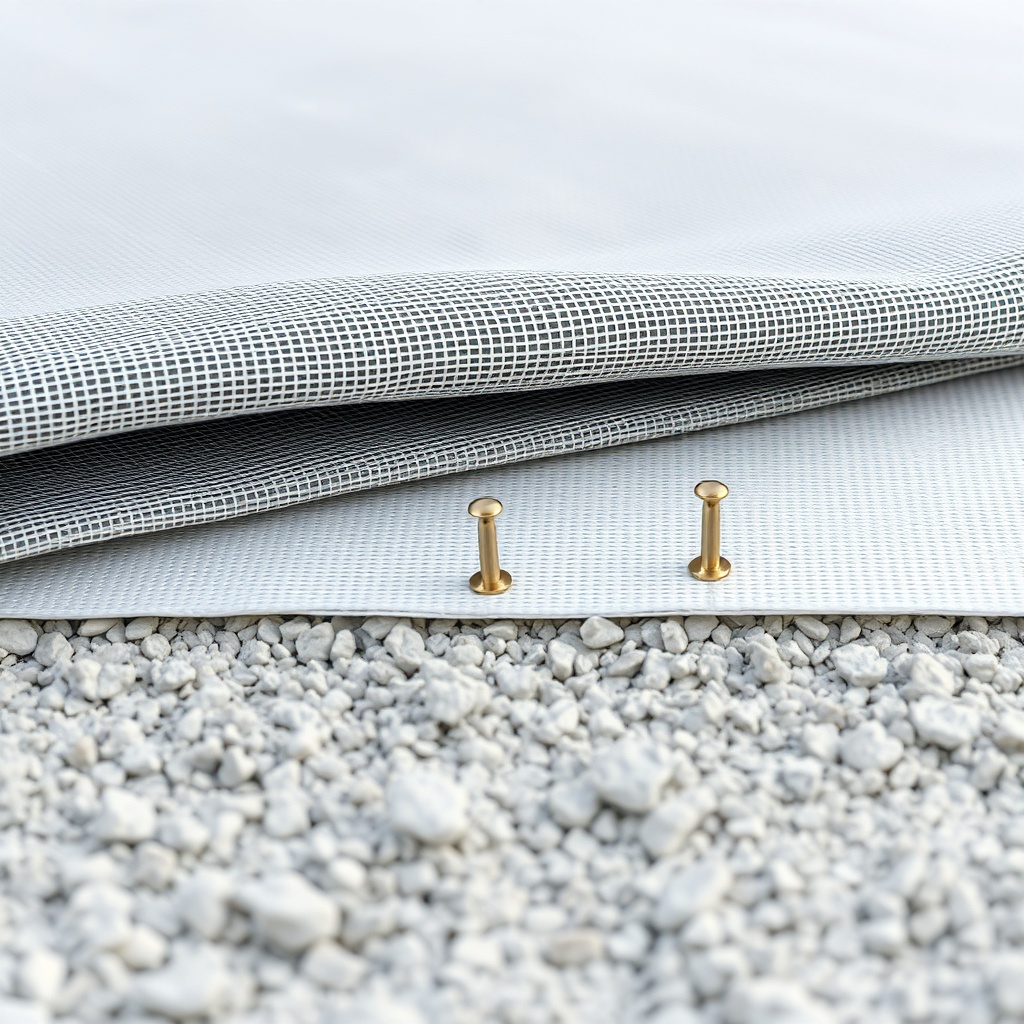
A geotextile membrane separates the subgrade from the base aggregate. This prevents fine soil particles from migrating upward into the stone, which can cause weakening and rutting. For AsphaltPavePro, use a non-woven geotextile with a tensile strength of at least 8 kN/m and a puncture resistance of 1.5 kN. Polypropylene varieties work best for UK clay soils. Lay the fabric with 300mm overlaps at seams, and anchor it with U-pins every 500mm. This simple step can extend your driveway’s life by 5–10 years by maintaining base integrity. Without it, you may face issues that are similar to those in Top 10 DIY Patching Mistakes with AsphaltPavePro and How to Avoid Them, where poor foundation leads to surface cracks.
How Important Is Slope and Drainage in Base Preparation?
Water is the number one enemy of asphalt driveways. During base preparation, you must establish a minimum cross-fall of 1:40 (2.5%) away from buildings to ensure surface water runs off. This means the base should be sloped so that the finished asphalt sheds water quickly. Additionally, install a French drain or land drain at the low side if water accumulates. The base itself should be cambered slightly to match the final asphalt slope. For detailed drainage design, refer to DIY Driveway Drainage with AsphaltPavePro: Slope Design Tips. Poor drainage leads to base saturation, which can cause the AsphaltPavePro surface to delaminate within two years.
What Are the Costs Involved in Subgrade and Base Preparation?
For a standard 50 m² driveway, expect to spend £800–£1,200 for subgrade excavation and disposal of waste soil. MOT Type 1 aggregate costs £35–£45 per tonne, with 10–12 tonnes needed for a 200mm base. Geotextile fabric adds £150–£250. Compaction equipment hire (vibrating plate or roller) runs £60–£100 per day. Total base preparation costs typically range from £1,200–£2,000 for DIY, excluding asphalt materials. For exact figures, use AsphaltPavePro DIY Driveway Cost Estimator: Budgeting for Materials and Labor. Remember, skimping here creates long-term expenses – a full replacement costs three times more than proper prep.
What Owners Say About Their Prepared AsphaltPavePro Driveways
Homeowners across the UK consistently report that thorough subgrade and base preparation made the difference between a driveway lasting 8 years versus 20 years. Sarah from Manchester notes: “I spent an extra weekend compacting the base properly. Two years in, no cracks, and the AsphaltPavePro surface looks new. My neighbour skipped the geotextile – his driveway is already rutting.” Mike from Leeds adds: “The 250mm base was worth every penny of the £1,500. We have heavy clay soil, but the drainage slope and fabric kept it solid.” Owners also caution against rushing: “I used a cheap plate compactor from a hire shop – it wasn’t heavy enough. I had to redo the base, costing double,” says Tom from Bristol.
Frequently Asked Questions
1. Can I lay AsphaltPavePro directly on old concrete?
Yes, but only if the concrete is sound, crack-free, and has a minimum fall of 1:60. Clean it, apply a tack coat, and add a 50mm levelling layer of AsphaltPavePro binder. However, best practice is to remove concrete and prepare a new base for longevity.
2. How long should I wait after base compaction before laying asphalt?
Wait at least 24–48 hours to let the base settle and for any moisture to evaporate. In wet weather, cover it with a tarpaulin. Base dampness can cause steam bubbles in AsphaltPavePro.
3. Is a geotextile mandatory for all soil types?
Not mandatory, but highly recommended for clay, silt, or sandy soils. For free-draining gravel soils, it may be optional. Most UK soils benefit from it.
4. What happens if I skip the subgrade compaction step?
Without compaction, the subgrade will settle under vehicle loads, causing the base and AsphaltPavePro surface to crack and dip. You’ll likely need full replacement within 3–5 years.
5. Can I use recycled crushed concrete for the base?
Yes, but only if it’s certified as Type 1 from a reputable source. Recycled material can work, but must be free of brick, wood, and metal, and compacted to the same standard as virgin aggregate.
6. How do I test that my base slope is correct for AsphaltPavePro?
Use a 2-metre straightedge with a spirit level. Place it across the base; the bubble should show a fall of 10–15mm per metre. For precision, hire a laser level – you need a consistent 2.5% cross-fall.