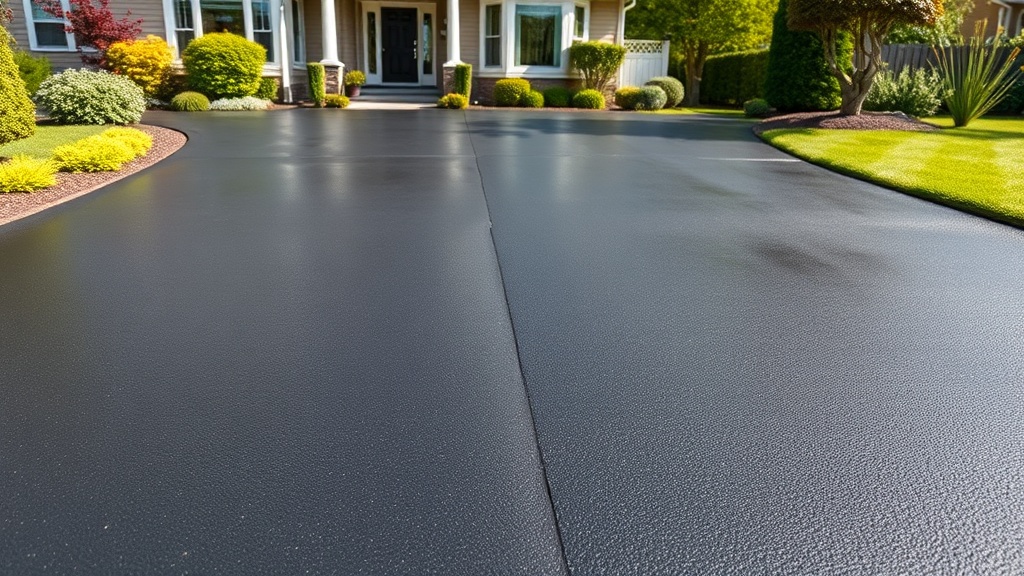
Rust-Oleum EpoxyShield vs. Acrylic Sealers: Which Provides Better Protection?
When it comes to sealing and protecting asphalt surfaces, two heavyweight contenders often go head-to-head: Rust-Oleum EpoxyShield and traditional acrylic sealers. As a paving professional, I’ve tested both over decades, and the choice hinges on more than just price—it involves durability, chemical resistance, and long-term value. In this article, we’ll dissect the performance of Rust-Oleum EpoxyShield against acrylic alternatives, focusing specifically on sealcoating protection for driveways, commercial lots, and other paved areas.
What Makes Rust-Oleum EpoxyShield Different From Acrylic Sealers?
Rust-Oleum EpoxyShield is a two-part epoxy coating that cures into a hard, impermeable layer. Unlike acrylic sealers, which are water-based or solvent-based polymers that form a flexible film, epoxy cross-links to create a rigid, thermoset plastic barrier. This fundamental difference translates to drastic variances in protection.
- Chemical resistance: EpoxyShield withstands gasoline, oil, and antifreeze spills, while acrylic sealers may soften or stain.
- Abrasion resistance: Epoxy’s hardness (typically >80 Shore D) far surpasses acrylic (around 60–70 Shore D).
- Permeability: Acrylic sealers breathe more, which can lead to water vapor issues in some climates; epoxy is near-zero permeability.
For a detailed look at surface preparation before applying EpoxyShield, see Preparing Your Asphalt Surface for Rust-Oleum EpoxyShield Coating.
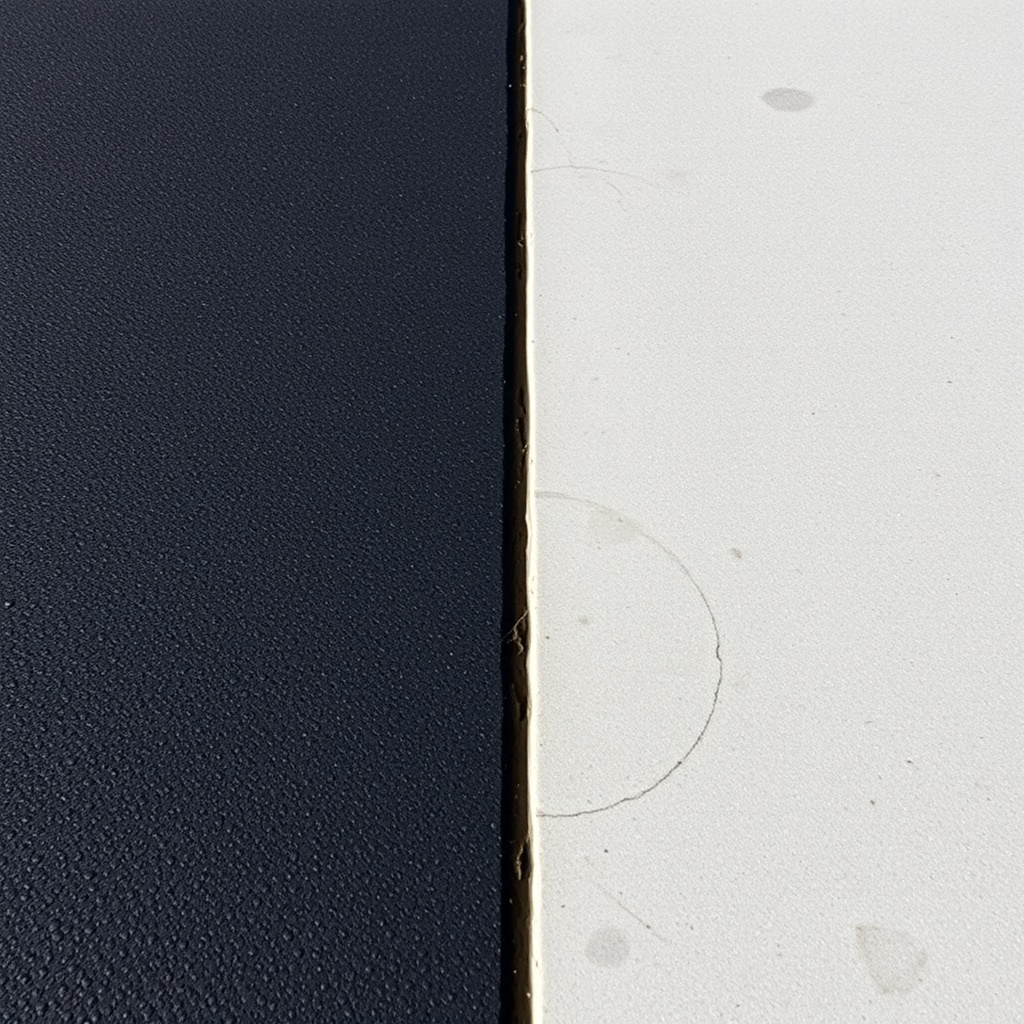
How Do Costs Compare Between EpoxyShield and Acrylic Sealers?
Budget is always a concern. While acrylic sealers appear cheaper upfront, the longevity and coverage of Rust-Oleum EpoxyShield can tilt the scales over a five- to ten-year period.
| Factor | Rust-Oleum EpoxyShield | Acrylic Sealer (Premium Grade) |
|---|---|---|
| Cost per litre (£) | £12–£15 | £4–£8 |
| Coverage (litres per square metre) | 0.1–0.15 L/m² (two coats) | 0.2–0.3 L/m² (two coats) |
| Average material cost for 50 m² driveway | £75–£112 | £40–£120 |
| Expected lifespan (years, moderate traffic) | 8–12 years | 2–4 years |
| Recoating cycle (years) | Every 5–7 years for top coat | Every 1–2 years |
| Total cost over 10 years (material only) | £75–£150 (includes one recoat) | £120–£360 (recoat every 2 years) |
This table clearly shows that while the initial outlay for EpoxyShield is higher, it often proves more economical in the long run—especially when factoring in labour for multiple reapplications.
Which Sealer Offers Better UV and Weather Resistance?
UV exposure and freeze-thaw cycles are nemeses of asphalt coatings. Acrylic sealers typically contain UV stabilisers but degrade over two to three years under direct sun, turning chalky and brittle. Rust-Oleum EpoxyShield, by contrast, includes advanced UV-resistant additives that maintain gloss and colour retention for up to a decade in many climates.
Temperature extremes also test epoxy. While acrylics remain flexible down to –10°C, EpoxyShield can handle –30°C without cracking, provided the substrate is sound. However, epoxy can become brittle in extreme cold if not formulated correctly. Rust-Oleum’s specific blend is engineered for pavements, making it a robust choice for UK winters.
For more on long-term behaviour, refer to Rust-Oleum EpoxyShield: Long-Term Protection for Asphalt Surfaces.
How Does Application Difficulty Compare?
Ease of application matters for both DIY enthusiasts and contractors. Acrylic sealers are forgiving: they can be rolled, brushed, or sprayed, and cleanup requires only soapy water. Rust-Oleum EpoxyShield demands precise mixing (resin and hardener), a shorter pot life (20–30 minutes at 20°C), and stricter temperature windows (10–32°C).
- Acrylic sealer tips: Dilute with water for first coat; apply in thin layers; recoat after 4–6 hours.
- EpoxyShield tips: Use a notched squeegee or roller; maintain wet edge; avoid application below 10°C; allow 12–24 hours between coats.
If you’re new to epoxies, reading Subgrade Preparation for Rust-Oleum EpoxyShield Coating: What You Need to Know is essential before starting.
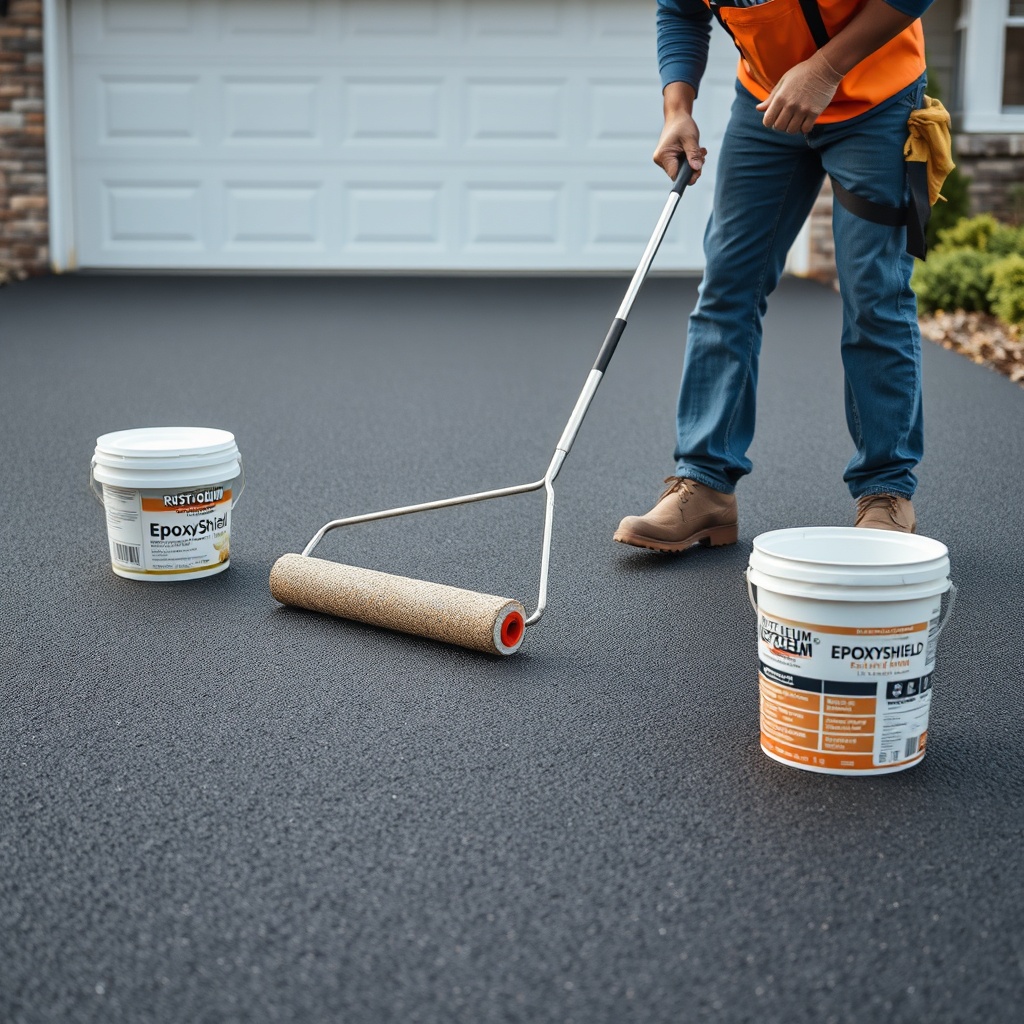
Which Performs Better Under Heavy Vehicle Loads and Chemical Spills?
Driveways and commercial lots see daily punishment from cars, vans, trucks, and leaks. Acrylic sealers compress and wear thin under heavy loads, especially in wheel paths. Rust-Oleum EpoxyShield, with its high compressive strength (approx. 55–65 MPa after full cure), resists indentation and abrasion.
Chemical spills—oil, petrol, de-icer salts, and battery acid—are where epoxy truly outshines acrylic. A few drops of oil on acrylic may leave a permanent stain that requires recoating. On EpoxyShield, a simple wipe removes the spill without damage. This alone justifies the investment for high-traffic areas.
For a complete Q&A on application and maintenance, visit Frequently Asked Questions About Rust-Oleum EpoxyShield Asphalt Coating.
What Do Owners Say About Rust-Oleum EpoxyShield vs. Acrylic Sealers?
Feedback from property owners across the UK reveals a clear trend: those who invest in EpoxyShield report fewer headaches over time. One homeowner in Manchester noted that after three years, his epoxy-coated driveway still looked like new, whereas his neighbour’s acrylic sealer had faded and showed cracking. A commercial car park operator in Birmingham stated that switching to EpoxyShield reduced annual maintenance costs by 40%, citing the coating’s resistance to tyre marks and oil stains.
However, some owners caution that epoxy’s initial cost and application complexity can be a barrier. A DIYer in Cornwall had to remove a botched acrylic job before applying EpoxyShield, doubling his prep time. Professional installation is recommended for those unfamiliar with two-part coatings.
Overall, the consensus is clear: for maximum protection and longevity, Rust-Oleum EpoxyShield wins hands down, provided the surface is properly prepared.
Frequently Asked Questions About Rust-Oleum EpoxyShield vs. Acrylic Sealers
1. Which sealer provides better protection against water damage?
Rust-Oleum EpoxyShield offers superior protection because it forms a non-porous barrier that blocks water infiltration, while acrylic sealers allow some vapour transmission, which can lead to blistering over time.
2. Can I apply Rust-Oleum EpoxyShield over an existing acrylic sealer?
No. EpoxyShield requires a clean, bare asphalt surface for proper adhesion. Applying it over acrylic may cause peeling. Remove the old sealer via grinding or sandblasting first. See our prep guide for details.
3. How long does each sealer take to cure for foot and vehicle traffic?
Acrylic sealers are walkable in 2–4 hours and open to light vehicles after 24 hours. Rust-Oleum EpoxyShield requires 12–18 hours for foot traffic and 24–48 hours for vehicles, depending on temperature and humidity.
4. Are there environmental concerns with epoxy vs. acrylic sealers?
Acrylic sealers are low-VOC and environmentally friendlier during application. EpoxyShield contains solvents; proper ventilation and disposal are crucial. Once cured, epoxy is inert and safe.
5. Which sealer is best for a driveway with heavy snow and de-icing salts?
Rust-Oleum EpoxyShield wins here. Its chemical resistance prevents salt damage, and its rigidity resists freezing-induced cracks better than flexible acrylic films, which can delaminate.
6. Can I tint either sealer to match my home’s exterior?
Both can be tinted, but acrylic sealers accept universal colourants more easily. EpoxyShield is available in several pre-mixed colours; custom tinting may require ordering from a specialist.