Introduction
Sealcoating your Sakrete Blacktop driveway before winter is one of the most critical steps to extend its lifespan and protect against freeze-thaw cycles. Sakrete Blacktop, a cold-patch asphalt mix designed for repair and resurfacing, requires careful timing and application to ensure the sealant bonds properly and provides a durable barrier. This article covers the optimal window for sealcoating Sakrete Blacktop, the specific products that work best, and practical tips to shield your pavement from ice, snow, and road salt damage.
Why Is It Critical to Sealcoat Sakrete Blacktop Before Winter?
Winter weather poses unique threats to asphalt surfaces, and Sakrete Blacktop—while strong—is not immune. When water seeps into the porous surface and freezes, it expands by about 9%, creating internal pressure that can cause cracks and delamination. Sealcoating acts as a sacrificial layer that prevents moisture intrusion and blocks UV rays from weakening the binder. For a Sakrete Blacktop driveway that was installed or patched during the warmer months, a fall sealcoat can be the difference between a smooth surface in spring and a network of fissures.
Additionally, road salt and de-icing chemicals can accelerate oxidation and strip the asphalt’s oils. A high-quality sealant seals these out, reducing the need for patching cracks in Sakrete Blacktop after winter. If you skip sealcoating, expect to spend more time and money on repairs by March.
When Is the Ideal Time to Sealcoat Sakrete Blacktop?
Timing is everything. The best window for sealcoating Sakrete Blacktop in the UK is between mid-September and late October, when daytime temperatures consistently range between 10°C and 25°C. At these temperatures, the sealant cures properly—forming a hard film—without becoming too thick or too thin. Avoid applying if rain is forecast within 24 hours, as uncurled sealant can wash away or trap moisture.
- Minimum surface temperature: 10°C and rising.
- Maximum surface temperature: 30°C to prevent excessive evaporation and blistering.
- Humidity: Below 70% to ensure proper water evaporation from the sealant.
- Sunlight: Apply on a sunny day to speed curing, but avoid direct midday sun on very hot days.
If you missed the autumn window, spring (March to April) is a secondary option, but you risk winter damage if you wait too long. For new installations, refer to our guide on when to sealcoat a new Sakrete Blacktop driveway—typically after 3 to 6 months of curing.
Which Sealant Products Work Best with Sakrete Blacktop?
Not all sealers are created equal. Sakrete Blacktop, being a cold patch, has a slightly different texture and binder composition than hot-laid asphalt. Here’s a comparison of commonly used sealants for Sakrete Blacktop driveways.
| Sealant Type | Base Material | Drying Time (at 20°C) | Cost per m² (GBP) | Best For |
|---|---|---|---|---|
| Coal-tar emulsion | Coal tar pitch | 4–6 hours | £1.50–£2.50 | High traffic areas, fuel/oil resistance |
| Asphalt emulsion (acrylic-modified) | Asphalt & acrylic polymers | 2–4 hours | £1.20–£2.00 | Flexibility, UV protection, easier application |
| Polymer-enhanced asphalt | Asphalt + rubber/polymers | 3–5 hours | £1.80–£3.00 | Crack bridging, longer lifespan, heavier duty |
Note: Prices are approximate and may vary by region and supplier. Always check product compatibility with Sakrete Blacktop by testing a small area first.
For most residential Sakrete Blacktop driveways, an acrylic-modified asphalt emulsion offers the best balance of cost, ease of use, and winter protection. Avoid coal-tar-based sealants if you have pets or children, as they can be more toxic. For professional-grade results, consider polymeric sealers that fill hairline cracks and resist snowplow scraping.
How Do You Prepare Sakrete Blacktop for Sealcoating?
Proper surface preparation is non-negotiable. Even the best sealant will fail if the Sakrete Blacktop isn’t clean, dry, and structurally sound. Follow these steps at least two weeks before the first frost.
- Clean thoroughly: Use a stiff broom or leaf blower to remove dirt, leaves, and debris. For stubborn stains like oil or grease, apply a degreaser (citrus-based) and scrub with a stiff brush, then rinse with a hose.
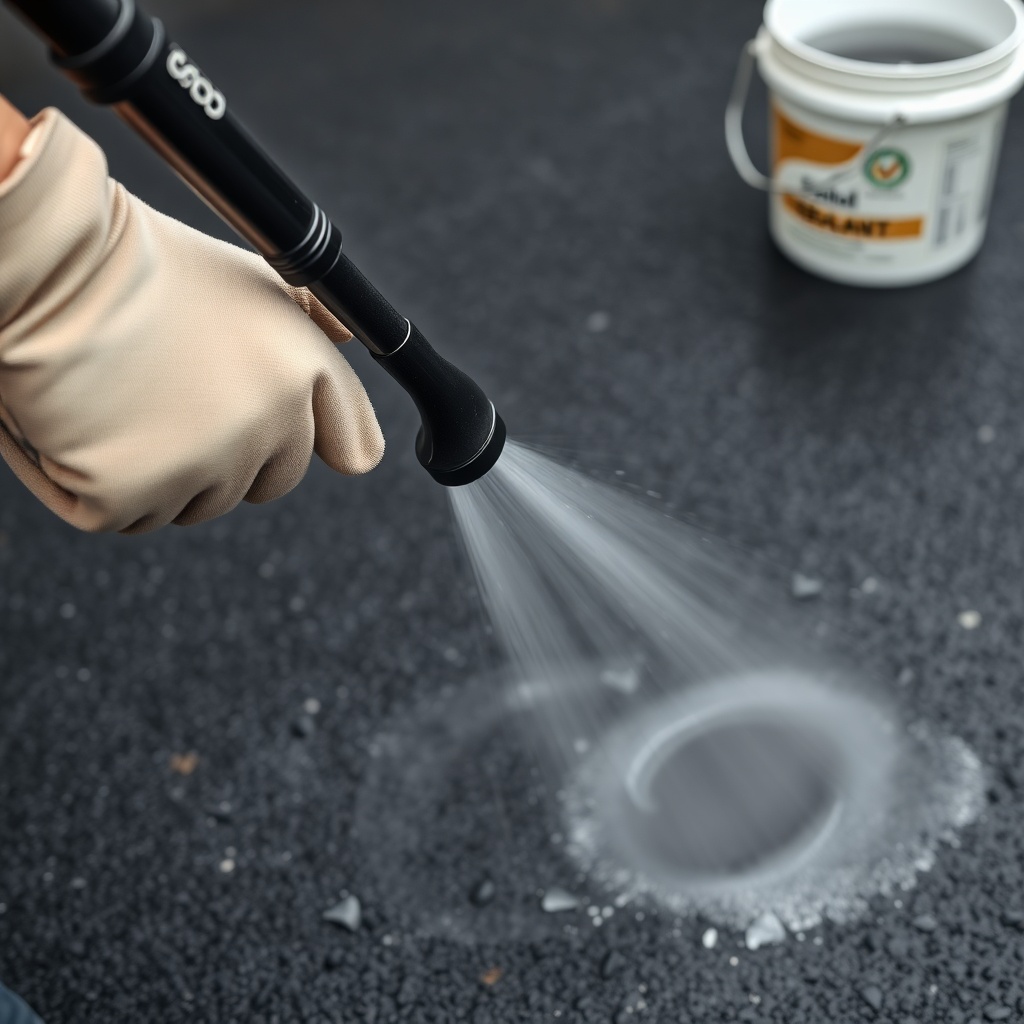
- Power wash: Use a pressure washer (2000–3000 PSI) to remove embedded dirt and loose aggregate. Let the surface dry completely for 24–48 hours.
- Repair cracks and holes: Fill any wider-than-1/4-inch cracks with a Sakrete Blacktop patch compound and allow it to cure per manufacturer instructions. For larger potholes, see patching cracks in Sakrete Blacktop for detailed steps.
- Check edge condition: If edges are crumbling, reinforce them with Sakrete Blacktop and compact well using a tamper or vehicle.
- Mask adjacent surfaces: Use painter’s tape and plastic sheeting on concrete curbs, grass edges, or brick borders to avoid sealant stains.
If you’re unsure about compaction levels after patching, review how to properly compact Sakrete Blacktop for a smooth driveway to ensure a level base before sealing.
What Are the Steps to Apply Sealant Correctly?
Application method affects both appearance and durability. Whether you choose a brush, squeegee, or sprayer, here’s the correct procedure for Sakrete Blacktop.
- Mix thoroughly: Stir the sealant with a paddle mixer attached to a power drill to ensure even consistency. Do not thin it unless the label specifies.
- Start at the highest point: Begin at the top of the driveway and work downward to avoid puddling and standing water.
- Apply in thin, even coats: Use a squeegee with a rubber blade for uniform spread. Aim for a thickness of 0.1 to 0.15 mm per coat.
- Two coats minimum: Allow the first coat to dry for 4–6 hours (or as labelled) before applying the second coat. Two coats provide better coverage and a deeper black finish.
- Edge carefully: Use a brush for edges and tight spots to avoid overlaps onto grass or concrete.
- Cure time: Keep vehicles and foot traffic off the surface for at least 24–36 hours, longer if temperatures are below 15°C. Light rain after 12 hours may not harm the sealant, but heavy rain within 24 hours can cause issues.
For a broader overview of products and methods, the article sealcoating a Sakrete Blacktop driveway covers advanced techniques including spray-on sealers and additives.
What Do Owners Say About Winter Sealcoating Results?
Feedback from UK homeowners who have sealed their Sakrete Blacktop driveways before winter is overwhelmingly positive, especially when they follow timing guidelines. One owner from Manchester reported, “I sealed my Sakrete Blacktop in late September. By January, the neighbours’ driveways had salt stains and cracks, but mine remained black and smooth. No potholes at all.” Another from Glasgow noted: “I used an acrylic-modified sealer and applied two coats. The snow melted quickly, and I didn’t see any new cracks after the thaw. Worth every penny of the £120 I spent.”
However, some owners caution against rushing. A user from Birmingham shared: “I sealed too early—early September—when temperatures hit 32°C. The sealant bubbled and peeled within two months. I had to strip it and redo. Stick to the 10–25°C rule.” Overall, the consensus is that proper preparation and patience yield a winter-hardy surface that can withstand salt, ice, and heavy rainfall without degrading.
Frequently Asked Questions
1. Can I sealcoat Sakrete Blacktop if it’s already been through one winter?
Yes, it’s possible and recommended. Clean the surface thoroughly, fill any cracks that formed over winter, and sealcoat during autumn. The sealant will bond to the existing surface if it’s clean and dry.
2. How long does Sakrete Blacktop need to cure before sealcoating?
New Sakrete Blacktop patches or resurfacing should cure for at least 3 months—ideally 6 months—before the first sealcoat. This allows the binder to fully harden and traffic to compact the material. See our step-by-step installation guide for curing details.
3. What temperature is too cold to sealcoat Sakrete Blacktop?
Do not apply sealant if the ambient or surface temperature is below 10°C, as the sealant will not cure properly and may remain tacky or freeze. Also avoid if frost is expected within 48 hours.
4. Should I apply one or two coats of sealant for winter protection?
Two coats are strongly recommended for winter, especially in areas with heavy snowfall or salt use. One coat may provide 1–2 years of protection, while two coats can extend to 3–4 years.
5. Is it necessary to apply primer before sealcoating Sakrete Blacktop?
Not typically, but if you have an older, heavily oxidized surface, a light mist of water can help adhesion. Some polymer sealants include a bonding agent. Always read the product label.
6. Can I use Sakrete Blacktop for winter pothole repairs and then seal over it?
Yes, but allow the patch to cure for at least 1–2 weeks before sealcoating. For best results, compact the patch thoroughly. Compare options in our performance guide versus other cold patches to ensure longevity.