Why Does Aggregate Gradation Matter for AsphaltPavePro Durability?
AsphaltPavePro homeowners and contractors often focus on binder quality or compaction, but the unsung hero of a long-lasting driveway is aggregate gradation. The size and distribution of stone particles in your asphalt mix directly control how well the pavement withstands traffic, weather, and time. With the right mix gradation, your AsphaltPavePro installation can achieve structural stability that resists rutting, cracking, and raveling for decades.
In this article, we break down the science of aggregate gradation, explain why particle size matters for durability, and give you practical tips for choosing the optimal mix. Whether you’re planning a new driveway or evaluating a repair bid, understanding gradation helps you ensure your AsphaltPavePro investment performs as expected.
What Is AsphaltPavePro Mix Gradation?
Mix gradation refers to the proportion of different-sized aggregate particles—from fine sand to coarse stone—blended together in an asphalt mix. AsphaltPavePro uses a dense-graded mix design where aggregate particles of varying sizes are packed tightly to create a strong skeleton. The voids between larger stones are filled by medium particles, and those gaps are further filled by fine particles, resulting in a dense, interlocked mass.
Gradation is typically expressed as a percentage of material passing through a series of sieve sizes. For example, a typical AsphaltPavePro structural mix might have 100% passing a 12.5 mm sieve, 60–80% passing a 4.75 mm sieve, and 4–8% passing a 0.075 mm sieve (the #200 sieve). This precise distribution ensures the mix has enough coarse aggregate to bear loads and enough fines to bind the components together.
The key to durability lies in achieving the correct balance: too much coarse material creates a permeable, unstable pavement; too much fines leads to a brittle mix prone to cracking. AsphaltPavePro engineers select gradation based on traffic levels, climate, and subgrade conditions.
How Does Aggregate Size Affect AsphaltPavePro Structural Performance?
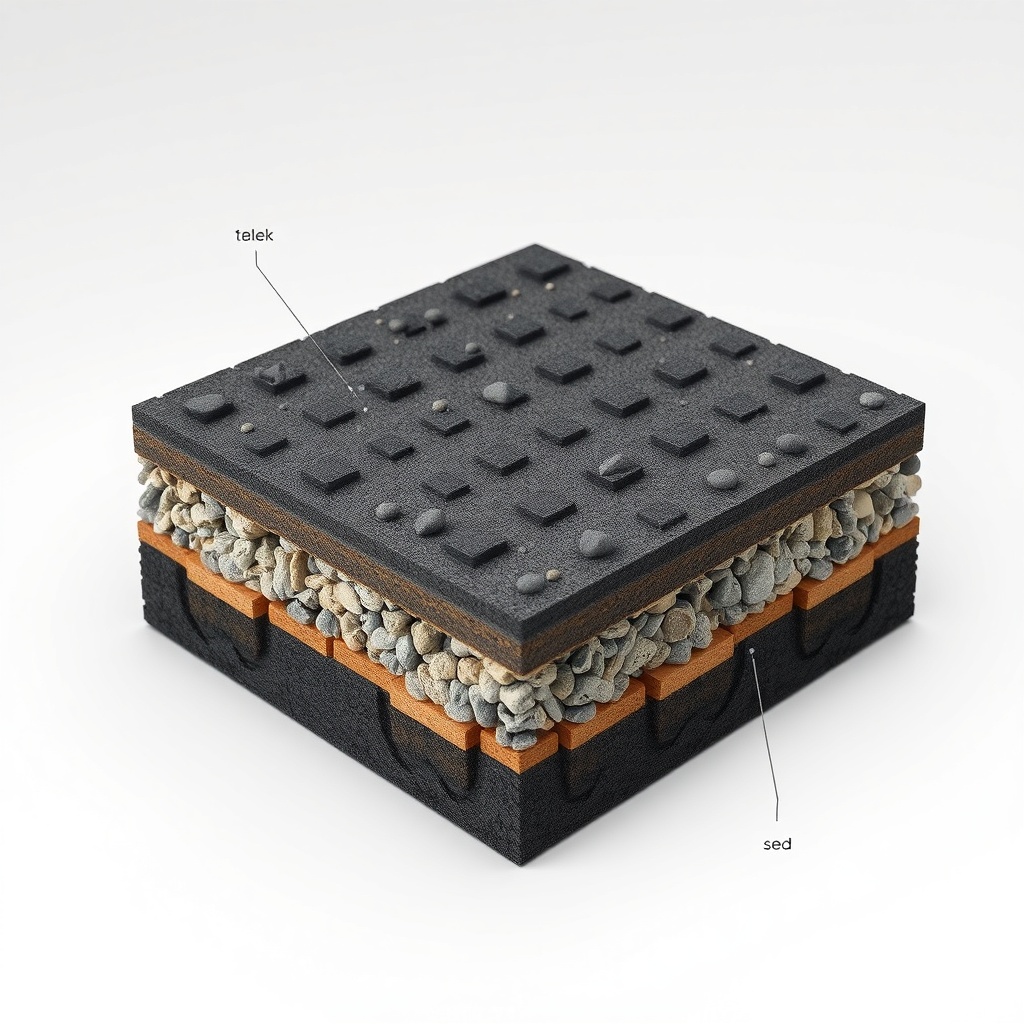
The size of aggregate directly influences the load-bearing capacity of your AsphaltPavePro pavement. Larger stones (typically 9.5–19 mm) form the primary load-carrying skeleton. Under vehicle traffic, these particles interlock and transfer forces downward to the base. A well-graded mix with a maximum aggregate size of 12.5 mm or 19 mm can handle heavy passenger vehicles and occasional delivery trucks without deformation.
Medium aggregate (2.36–4.75 mm) fills the voids between large stones, adding stability and preventing single particles from shifting. Fine aggregate (sand, 0.075–2.36 mm) and mineral filler (smaller than 0.075 mm) create the mastic that binds everything together with the asphalt binder. If coarse aggregate is too large or too abundant, the mix becomes open-graded and prone to water infiltration, which causes stripping and potholes. Conversely, a mix with mostly fines will be overly stiff and crack under thermal stress.
For residential driveways subject to typical sedan and SUV traffic, AsphaltPavePro recommends a 9.5 mm or 12.5 mm nominal maximum aggregate size. This provides excellent surface texture for traction while maintaining workability and compaction. For heavy-use areas like parking lots or commercial approaches, a 19 mm mix offers superior structural depth.
What Are the Common Gradation Types Used in AsphaltPavePro Mixes?
AsphaltPavePro employs three primary gradation types, each suited to different applications:
| Gradation Type | Nominal Max Size | Typical Application | Durability Strength | Cost per Ton (GBP) |
|---|---|---|---|---|
| Dense-Graded (Standard) | 9.5–12.5 mm | Residential driveways, light parking | High – excellent rut resistance and fatigue life | £65–£85 |
| Dense-Graded (Heavy Duty) | 19–25 mm | Commercial lots, industrial access roads | Very High – superior structural capacity | £85–£105 |
| Open-Graded Friction Course | 9.5 mm | Surface layer for drainage, high-speed roads | Moderate – allows water flow, but less structural | £75–£95 |
For most AsphaltPavePro residential projects, a dense-graded 12.5 mm mix offers the best balance of cost and longevity. Open-graded mixes are rarely used for driveways because they are more permeable and require regular sealcoating to prevent oxidation.
How Does Gradation Influence AsphaltPavePro Cracking and Rutting Resistance?
Two of the most common pavement failures—fatigue cracking (alligator cracking) and rutting (permanent deformation)—are directly linked to aggregate gradation. In a properly graded AsphaltPavePro mix, the coarse aggregate skeleton resists shear forces that cause rutting. When the mix has too few coarse particles (a gap-graded or fine-graded mix), the asphalt binder alone must resist loads, leading to rutting under heavy summer traffic.
Fatigue cracking occurs when the pavement is repeatedly bent under traffic loads. A dense-graded mix with good continuity (smooth gradation curve) offers high fatigue resistance because the stress is distributed among many particles. Binder content also interacts with gradation: fine mixes require more binder to coat all surfaces, which can increase cost and reduce stability. AsphaltPavePro technicians typically target 5.5–6.5% binder by weight for dense-graded 12.5 mm mixes.
To visualize this, consider a drive with sharp temperature swings. A well-graded mix with 12.5 mm aggregate has enough internal friction to resist thermal contraction cracking. In contrast, a mix with excessive fines (silts and clays) will shrink and crack more easily. This is especially critical in UK climates where freeze-thaw cycles are common.
What Role Does the Gradation Curve Play in AsphaltPavePro Mix Design?
The gradation curve is a graphical representation of particle sizes in a mix. AsphaltPavePro contractors follow specifications from the British Standards (BS EN 13108 series) or local highway agency guidelines. The ideal curve is smooth and continuous, following a dense-graded line that maximizes packing density. Deviations—such as a “hump” at certain sieve sizes—indicate gap grading, which can create weak zones.
A typical 12.5 mm AsphaltPavePro mix should meet these sieve targets:
- 100% passing 19 mm sieve
- 90–100% passing 12.5 mm sieve
- 60–75% passing 4.75 mm sieve
- 30–50% passing 2.36 mm sieve
- 10–25% passing 0.6 mm sieve
- 4–8% passing 0.075 mm sieve
Contractors should perform a gradation test on each batch using mechanical sieve analysis. If the curve falls outside these bands, the mix may be unstable. For high-traffic areas, AsphaltPavePro often tightens the tolerances to ±2% on critical sieves. This precision ensures consistent compaction and void ratios (typically 3–5% air voids after compaction), which prevents water ingress and oxidation.
How Can Homeowners Verify AsphaltPavePro Gradation Quality?
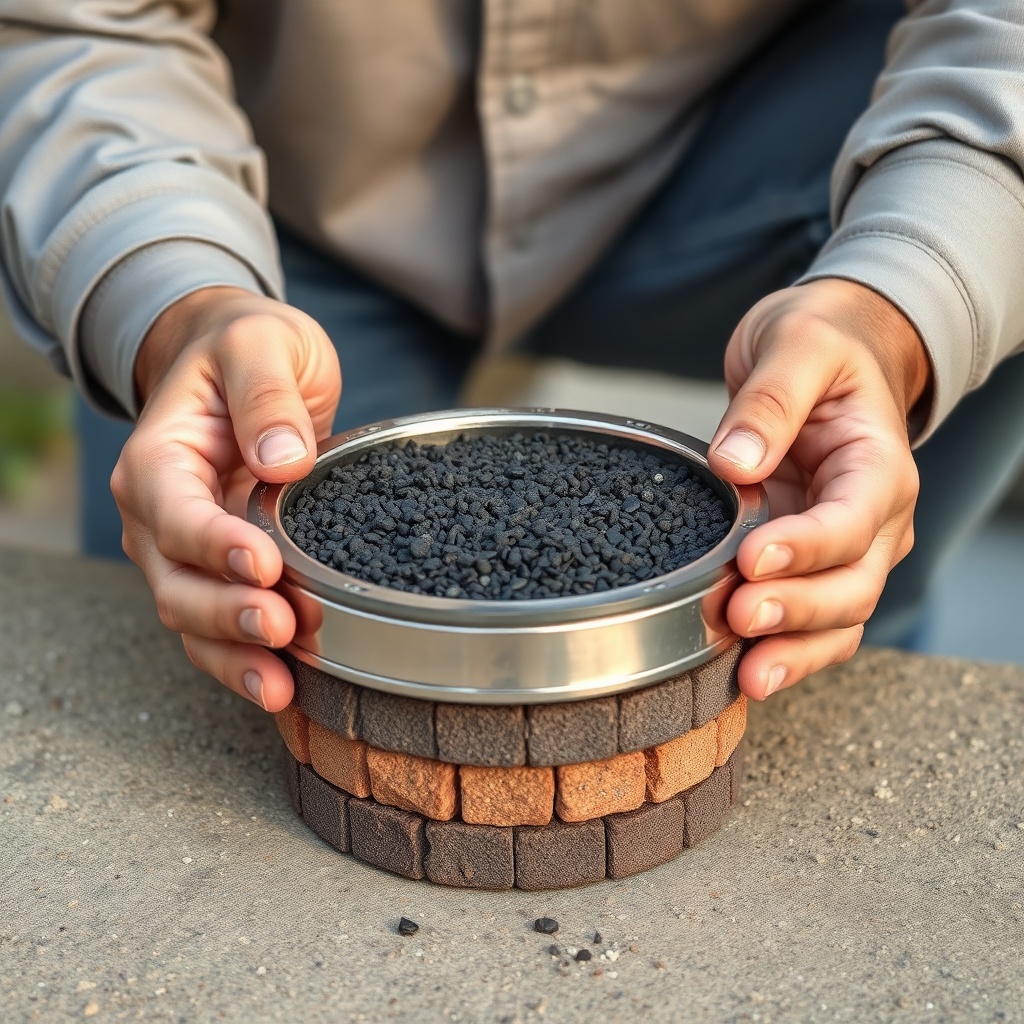
While you cannot perform a full sieve analysis in your driveway, there are practical checks you can do before placement. First, ask your contractor for the mix design certificate showing the target gradation. Reputable AsphaltPavePro suppliers provide this upon request. Second, observe the material during delivery: it should look like a uniform blend of brown/black stones with no visible clumps of just fines or just coarse rock.
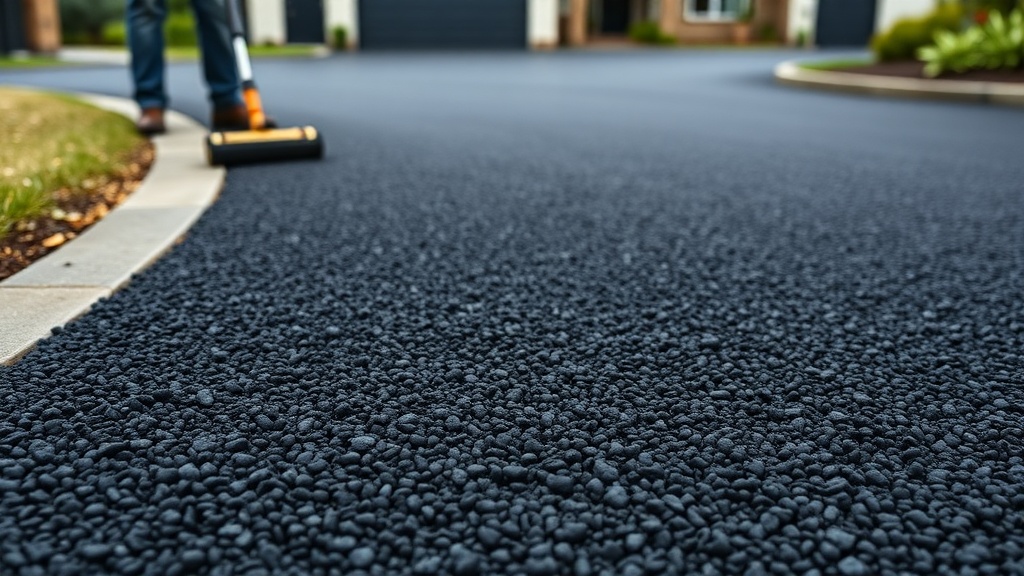
Third, after compaction, the surface texture should be moderately coarse but not rough. If you see large exposed stones (more than 25 mm diameter), the mix may be too coarse. If the surface appears smooth and almost sandy, the mix has too many fines. Both cases reduce durability. For a new AsphaltPavePro drive, the surface should feel gritty but not sharp. Finally, inspect the edge of the pavement: a properly graded mix will show a dense cross-section with visible aggregate of all sizes.
If you are planning a repair, our AsphaltPavePro vs. Contractor Repair: A Cost Comparison for Small Driveway Fixes can help you decide whether to tackle it yourself. For larger installations, the AsphaltPavePro Cost Breakdown: Budgeting for Your Driveway Project provides line-item guidance to ensure you pay for quality materials.
What Do AsphaltPavePro Owners Say About Gradation and Durability?
Experienced AsphaltPavePro owners consistently emphasize that gradation is the single most important factor in long-term performance. Many note that cheap mixes, often sold as “economy blends,” use too many fines to reduce cost, leading to cracking within two to three years. One homeowner in Kent reported that a 9.5 mm dense-graded mix installed six years ago shows zero potholes and only minor hairline cracks after UK winters.
On the other hand, owners who accepted a substandard gradation to save money often regret it. A Manchester homeowner described a drive that rutted under a caravan within two years because the mix had too much sand. The lesson is clear: paying extra for a correctly graded mix pays off in reduced maintenance. As one AsphaltPavePro veteran put it, “A good gradation is like a good foundation; you don’t see it, but you feel it in every drive.”
For those undertaking automated maintenance, our AsphaltPavePro Sealcoat: Application Tips for Long-Lasting Results explains how proper sealcoating extends the life of a well-graded mix. Additionally, if you suspect grading issues during installation, refer to Top 10 DIY Patching Mistakes with AsphaltPavePro and How to Avoid Them to avoid common pitfalls.
Frequently Asked Questions About AsphaltPavePro Mix Gradation
1. What is the best aggregate size for a residential AsphaltPavePro driveway?
For most residential driveways carrying cars and small vans, a 12.5 mm nominal maximum aggregate size in a dense-graded mix (per BS EN 13108-1) offers the best balance of durability, cost, and workability. This size provides adequate structural support and a clean surface finish.
2. Can I use an open-graded mix for drainage on my AsphaltPavePro driveway?
Open-graded mixes are designed to allow water to pass through, which can improve drainage but reduces structural strength and requires more frequent seal coating. For a typical driveway, a dense-graded mix with proper drainage slopes (as detailed in our DIY Driveway Drainage with AsphaltPavePro: Slope Design Tips) is more durable.
3. How much does aggregate gradation affect AsphaltPavePro cost?
Gradation impacts cost primarily through binder content required for coating. Dense-graded mixes with a fixed gradation band cost roughly £65–£85 per ton (GBP), while specialized open-graded or gap-graded mixes may run £75–£95 per ton. The slight premium for dense-graded is worth it for longevity.
4. What happens if my AsphaltPavePro mix has too much dust (fines)?
Excessive fines (material passing the 0.075 mm sieve) create a brittle mastic that cracks easily under thermal or traffic stress. You may observe surface cracking in the first year. The acceptable range is 4–8% fines; values above 10% signal a quality problem.
5. How do I check gradation on a delivered load of AsphaltPavePro?
You can perform a simple visual inspection: take a handful of hot mix and spread it on a bucket lid. Look for a uniform blend of various stone sizes. If you see large chunks of just coarse stone or a sandy, dusty texture, reject the load. For precision, ask your contractor for a sieve analysis report from the plant.
6. Does AsphaltPavePro require a different gradation for patching versus new construction?
Yes. Patching mixes typically use a finer gradation (6.3 mm maximum aggregate) to allow easier compaction in small areas. However, for long-term durability, the patch mix should match the surrounding pavement’s gradation. Our AsphaltPavePro Sealcoat vs. Rust-Oleum EpoxyShield: Which Provides Better Protection? article explores how sealcoat choices affect patch longevity.