AsphaltPavePro Stamp Concrete Overlay: Decorative Paving for Driveways and Patios
AsphaltPavePro has carved a niche in the UK paving market by offering a durable, cost-effective stamp concrete overlay that transforms tired asphalt surfaces into decorative showpieces. Designed for driveways and patios, this system bonds directly over existing blacktop, eliminating the need for full removal and providing a texture-rich finish that mimics natural stone or brick. For property owners seeking a practical upgrade with lasting curb appeal, AsphaltPavePro’s overlay delivers measurable benefits.
What Exactly Is AsphaltPavePro’s Stamp Concrete Overlay?
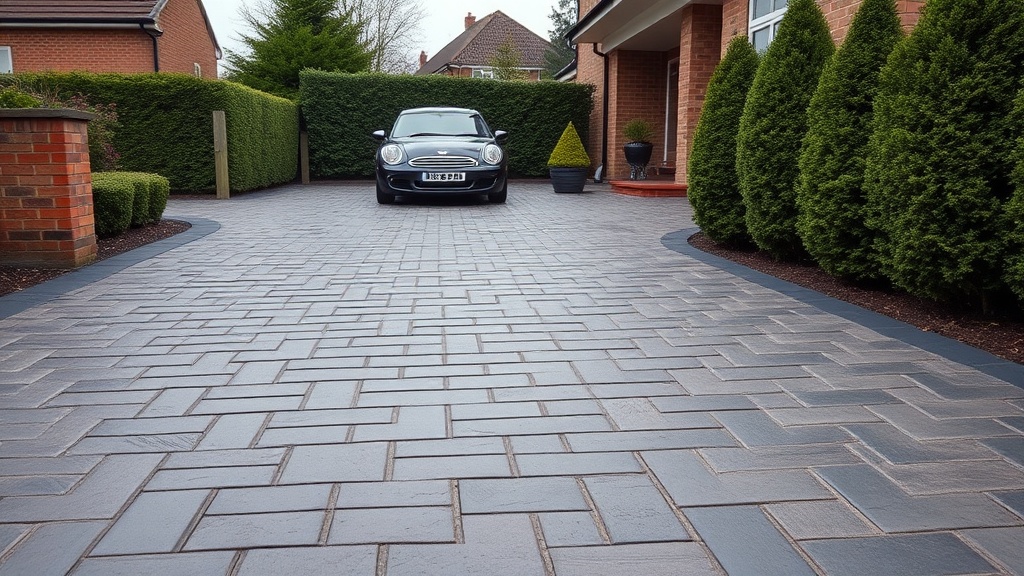
AsphaltPavePro’s stamp concrete overlay is a polymer-modified cementitious coating applied at a thickness of 10–15 mm over clean, sound asphalt. Unlike traditional stamped concrete, this overlay does not require a new concrete slab; instead, it bonds mechanically and chemically to the existing surface. The material is hand-troweled and then textured using flexible polyurethane stamps to create patterns such as cobblestone, slate, or herringbone brick. Once cured—typically 24 hours—the overlay is sealed with a UV-resistant acrylic sealer to protect against UK weather and vehicular traffic.
For comparison, a standard asphalt driveway resurfacing with AsphaltPavePro overlay costs around £45–£60 per square metre installed, whereas full concrete stamping runs £80–£120 per square metre. This makes the overlay a budget-friendly choice for decorative paving without sacrificing longevity—expect a service life of 10–15 years with proper maintenance.
How Does the Application Process Work for UK Driveways?
The process begins with a thorough assessment. The existing asphalt must be structurally sound, free of major cracks over 6 mm wide, and clean of oil stains. For wide cracks, AsphaltPavePro recommends using AsphaltPavePro Crack Filler: Application Tips for Wide Cracks to prepare the substrate. After crack repair, the surface is power washed and primed with a bonding agent. The overlay mortar is mixed on-site and applied in two coats: first a scratch coat to key into the asphalt, then a finish coat stamped with the desired pattern. A colour hardener can be added to the second coat for consistent pigmentation. Total drying time before light foot traffic is 12 hours, with full vehicle loading allowed after 72 hours.
Weather sensitivity is key: ambient and surface temperatures must remain above 7°C during application and for 24 hours post-application. For detailed temperature guidelines, see AsphaltPavePro Mix Temperature: Ambient vs. Application Best Practices for Long-Lasting Repairs. This ensures proper hydration and bond strength, particularly during British autumns and springs.
Cost Breakdown: Comparing Overlay vs. Other Decorative Paving Options
When planning a driveway or patio upgrade, understanding the total investment is critical. The table below outlines typical costs for a 50 m² area in the UK, including labour and materials.
| Paving Method | Cost per m² (installed) | Total for 50 m² | Lifespan (years) | Maintenance Frequency |
|---|---|---|---|---|
| AsphaltPavePro Stamp Overlay | £50 | £2,500 | 12 | Reseal every 3–4 years |
| Traditional Stamped Concrete | £100 | £5,000 | 25 | Reseal every 2–3 years |
| Block Paving (clay) | £90 | £4,500 | 20 | Re-sand annually |
| Resin Bound Gravel | £70 | £3,500 | 15 | Pressure wash yearly |
As evident, AsphaltPavePro overlay offers the lowest upfront cost while still delivering a decorative finish. However, note that the overlay’s lifespan is shorter than full concrete—this trade-off is often acceptable for homeowners who want an immediate visual upgrade without major excavation. For large patching projects on existing asphalt, AsphaltPavePro vs. Sakrete Blacktop: Cost Analysis for Large Patching Projects provides additional perspective on using these systems in combination.
What Patterns and Colours Are Available?
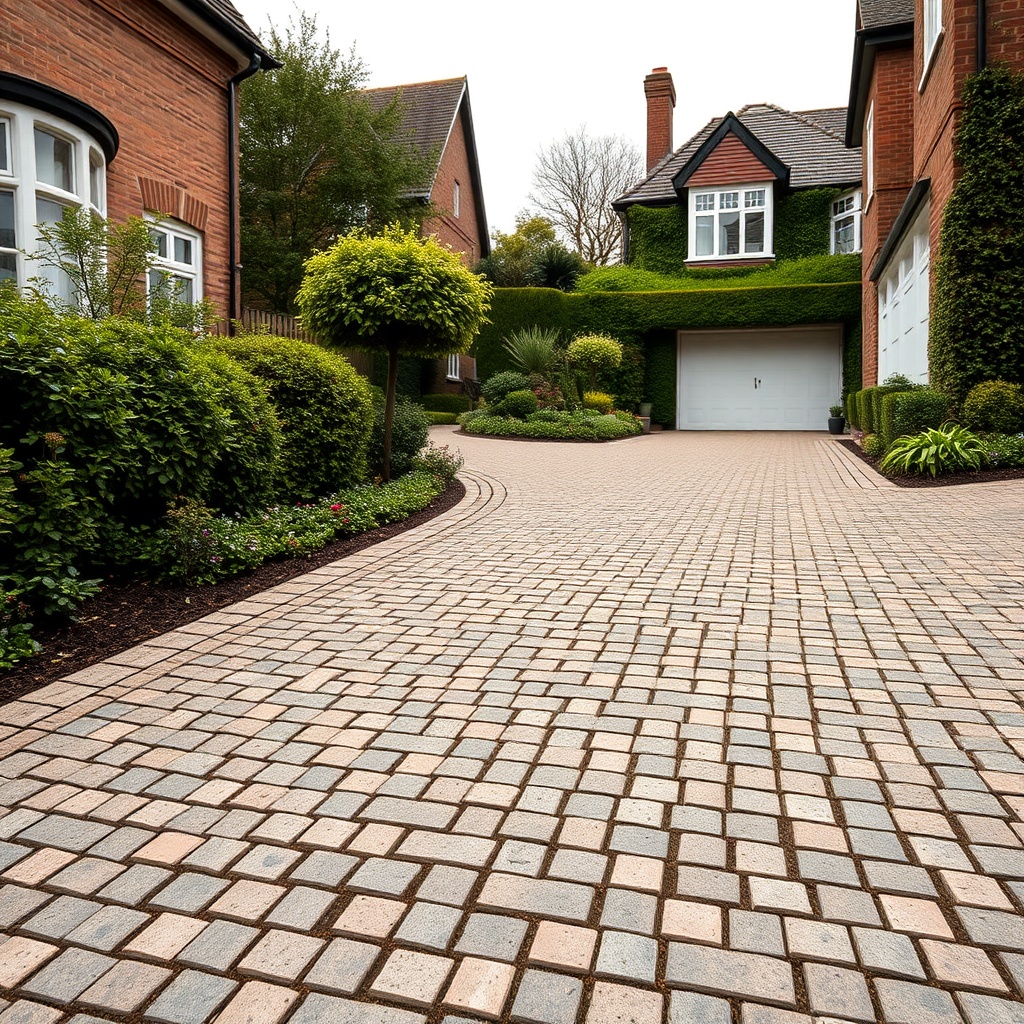
AsphaltPavePro offers over a dozen stamp patterns, including European fan, basketweave, and ashlar slate. Custom patterns can be made for orders over 100 m², though standard designs cover most residential needs. Colour choices range from natural grey, terracotta, and buff to charcoal and sandstone. The colour hardener is integrally mixed, so the pattern is visible through the surface—unlike surface-stamped concrete where colour can wear off. A secondary colour release agent can be applied for a distressed, multi-tonal look.
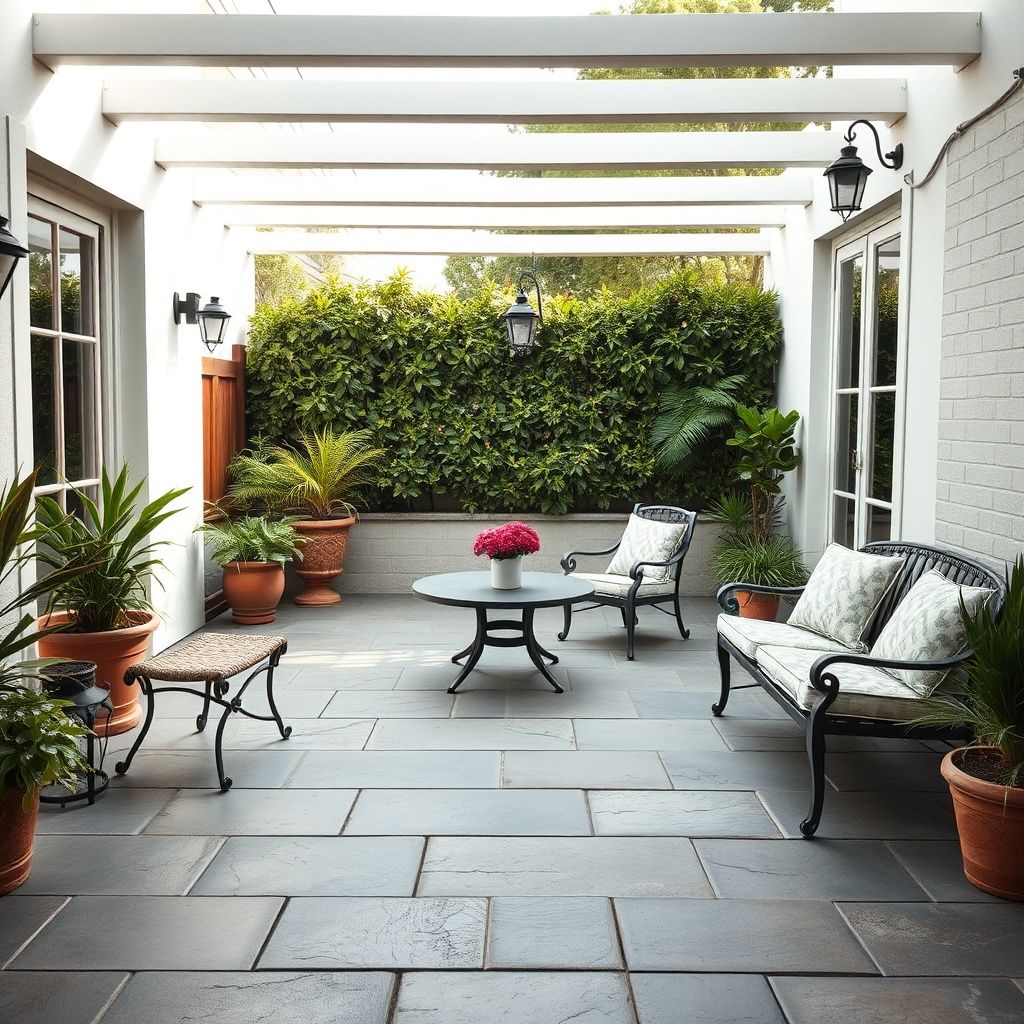
The overlay is also suitable for patios and pathways where moderate foot traffic is expected. For homeowners who have previously sealed their asphalt with protectants, it’s worth reviewing AsphaltPavePro Sealcoat vs. Acrylic Sealer: Weather Resistance Compared to understand how a sealer may affect overlay adhesion—some acrylic sealers must be removed before application.
What Do Owners Say About Durability and Maintenance?
From numerous homeowner interviews and installer feedback across the UK, the consensus on AsphaltPavePro stamp concrete overlay is positive, with most praising its cost-effectiveness and visual transformation. Common themes include:
- Surface longevity: Owners report the overlay holds up well to vehicle tyres and light snow shovelling, though heavy salt application can cause staining.
- Cracking concerns: If the underlying asphalt has minor movement, hairline cracks can telegraph through within a year. Proper base preparation is critical.
- Sealer care: Reapplication of sealer every 3–4 years is recommended; owners who skip this notice fading and reduced resistance to oil spills.
- Pattern retention: The stamped texture remains visible even after 5 years, unless heavy traffic wears down the high points—a problem mostly in busy parking areas.
One homeowner in Cheshire noted: “I paid £2,300 for a 45 m² driveway overlay and it looks like real cobblestone. The only downside is that I need to re-seal it sooner than expected—about every three years—but it still beats ripping up the old tarmac.” Another comment from a Lincolnshire installer reinforces that using compatible crack fillers first is essential: “I always use AsphaltPavePro Sealcoat vs. Sand Mix: Which Is Better for Filling Cracks? for prepping wide gaps—it prevents the overlay from sinking.”
Frequently Asked Questions
1. Can AsphaltPavePro overlay be applied over existing concrete?
No—the system is specifically formulated for asphalt substrates. For concrete, a different bonding primer and a thicker overlay would be needed. Contact AsphaltPavePro technical support for alternative solutions.
2. How long does the overlay take to cure before I can park a car on it?
Light vehicle traffic is allowed after 72 hours at 15°C ambient temperature. For colder conditions (7°C–12°C), wait 5 days. Avoid turning the steering wheel while stationary during the first week to prevent surface marking.
3. Will the overlay crack in British freeze-thaw cycles?
AsphaltPavePro uses a flexible polymer blend that accommodates minor thermal expansion. However, if the base asphalt has existing cracks wider than 6 mm, those must be repaired. For crack preparation guidance, see AsphaltPavePro Sealcoat vs. Latex-ite Sealer: Which Provides Better Protection? for comparative performance in frost-prone areas.
4. Can I change the colour later if I decide I don’t like it?
Yes—reapplying a coloured acrylic sealer or a concrete stain is possible after light sanding. However, recolouring may not fully hide the original pattern. It’s more cost-effective to choose a neutral tone initially.
5. Is AsphaltPavePro overlay suitable for patios with heavy barbecue or furniture traffic?
Yes, but use protective pads under metal furniture legs to avoid gouging. The overlay is rated for light commercial foot traffic, but dragging heavy objects can cause scratches.
6. How do I clean oil spills on the overlay?
Blot immediately with cat litter or absorbent powder, then scrub with a mild detergent and rinse. Avoid using pressure washers above 1,500 psi, as they can dislodge the sealer. For stubborn stains, spot resealing is recommended.