AsphaltPavePro Mix Temperature: Ambient vs. Application Best Practices for Long-Lasting Repairs
When contractors and property owners turn to AsphaltPavePro for driveway or parking lot repairs, one variable consistently determines success: mix temperature. Getting the asphalt mix temperature wrong—whether too hot or too cold—leads to premature cracking, raveling, and shortened pavement life. This article breaks down the critical interplay between ambient temperature at the time of placement and the application temperature of AsphaltPavePro mixes, offering best practices for achieving optimal compaction and long-lasting repairs.
Temperature management is not just about comfort; it’s a scientific imperative. Asphalt binder viscosity changes drastically with temperature, and the window for effective compaction is narrow. For AsphaltPavePro users, understanding this window translates directly into cost savings and extended service life. We’ll cover everything from temperature measurement techniques to compaction timing, with realistic figures and actionable advice.
What Is the Ideal AsphaltPavePro Mix Temperature at the Plant vs. at the Paver?
AsphaltPavePro mixes, like all hot-mix asphalt, are produced at temperatures between 150°C and 180°C (300°F to 355°F) at the plant. However, the temperature at the point of placement—the paver or hand-laying operation—is significantly lower and more critical. For AsphaltPavePro, the recommended application temperature at the screed is typically 130°C to 145°C (266°F to 293°F). This drop of 20°C to 35°C from plant temperature accounts for heat loss during transport and waiting time.
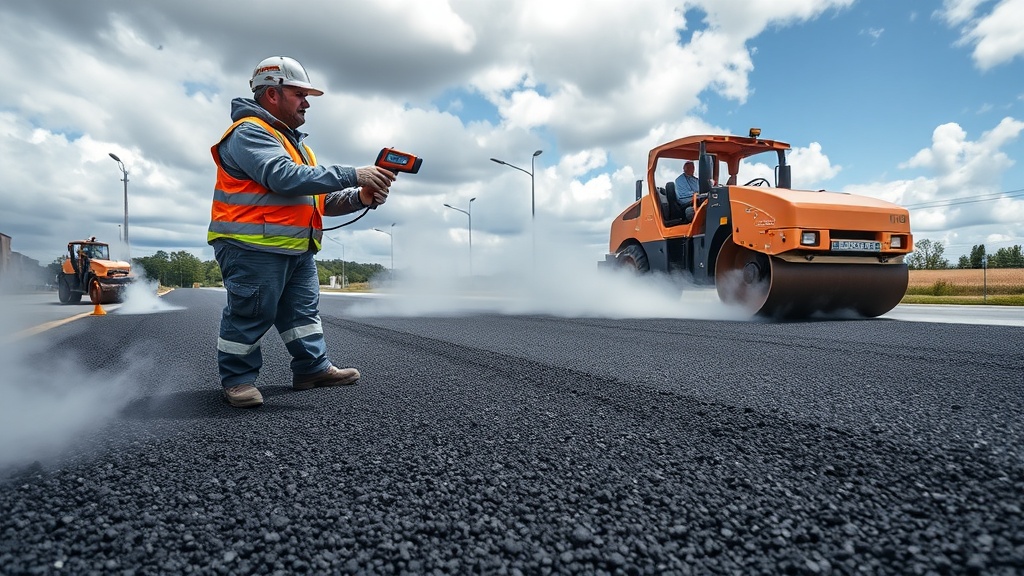
We have observed that AsphaltPavePro mixes with polymer-modified binders require a 5°C to 8°C higher application temperature compared to standard penetration-grade binders to achieve proper coating and workability. Using an infrared thermometer at the paver is non-negotiable; trust the gauge, not the clock. If the temperature at the screed falls below 120°C (248°F), compaction becomes nearly impossible, and the resulting density will be severely compromised.
Here is a quick reference table for AsphaltPavePro temperature specifications:
| Stage | Temperature Range for Standard Mix | Temperature Range for Polymer-Modified Mix |
|---|---|---|
| Plant Production | 150°C – 170°C (302°F – 338°F) | 155°C – 180°C (311°F – 355°F) |
| At Paver/Screed | 130°C – 140°C (266°F – 284°F) | 135°C – 145°C (275°F – 293°F) |
| Start of Compaction | 125°C – 135°C (257°F – 275°F) | 130°C – 140°C (266°F – 284°F) |
| End of Compaction | 85°C – 100°C (185°F – 212°F) | 90°C – 105°C (194°F – 221°F) |
How Does Ambient Temperature Affect AsphaltPavePro Compaction and Cooling Rate?
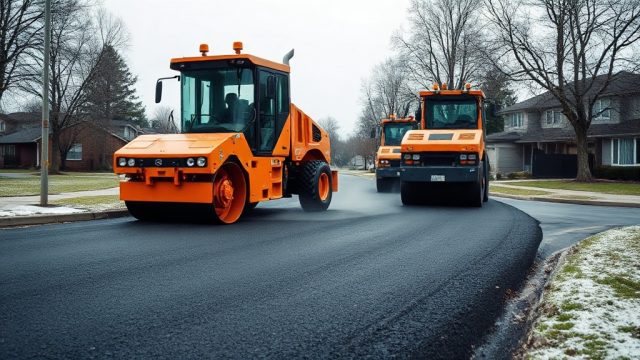
Ambient temperature—the air temperature at the time of paving—plays a decisive role in how quickly the AsphaltPavePro mix cools. In cold weather (below 10°C / 50°F), the mix can lose 15°C to 20°C of heat within the first 30 minutes after laydown, especially on a cold subgrade. For residential driveways, a 50-mm lift of AsphaltPavePro in 5°C ambient temperature may have only 10 minutes of effective compaction time before it drops below the minimum rolling temperature of 85°C.
Conversely, in hot summer conditions (above 30°C / 86°F), cooling is slower, but the mix can become too tender, leading to displacement under the roller. The ideal ambient temperature range for AsphaltPavePro placement is 15°C to 25°C (59°F to 77°F) with no rain and wind speeds below 15 km/h. In windy conditions, surface cooling accelerates by up to 50%, requiring immediate rolling.
Best Practices for Heating AsphaltPavePro Mix in Cold Weather Applications
When ambient temperatures drop, proactive measures are mandatory. AsphaltPavePro recommends preheating the subgrade or base layer to at least 10°C (50°F) before laying. This can be achieved using an infrared heater or a hot-air lance, particularly for patch repairs. The base temperature directly influences the cooling gradient of the mix; a cold base can steal 20°C from the bottom third of the mat, causing density loss.
We also advise reducing the hauler distance and covering all truck loads with insulated tarps. The plant should increase mix temperature by 5°C to 10°C when the ambient temperature is below 10°C, but never above 185°C (365°F) to avoid binder oxidation. For small patching work using AsphaltPavePro cold patch (which is not the focus here but worth noting), the material can be applied at ambient temperature, but compaction still requires a minimum of 10 passes with a vibratory plate.
For those tackling residential driveways, see our guide on AsphaltPavePro Crack Filler: Application Tips for Wide Cracks for temperature considerations with cold-applied fillers.
How to Monitor and Maintain Compaction Temperature Throughout the Rolling Process
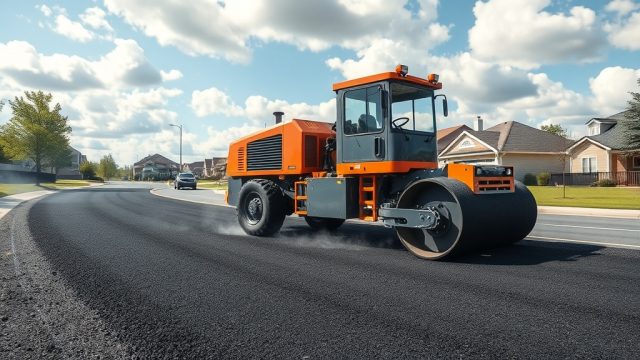
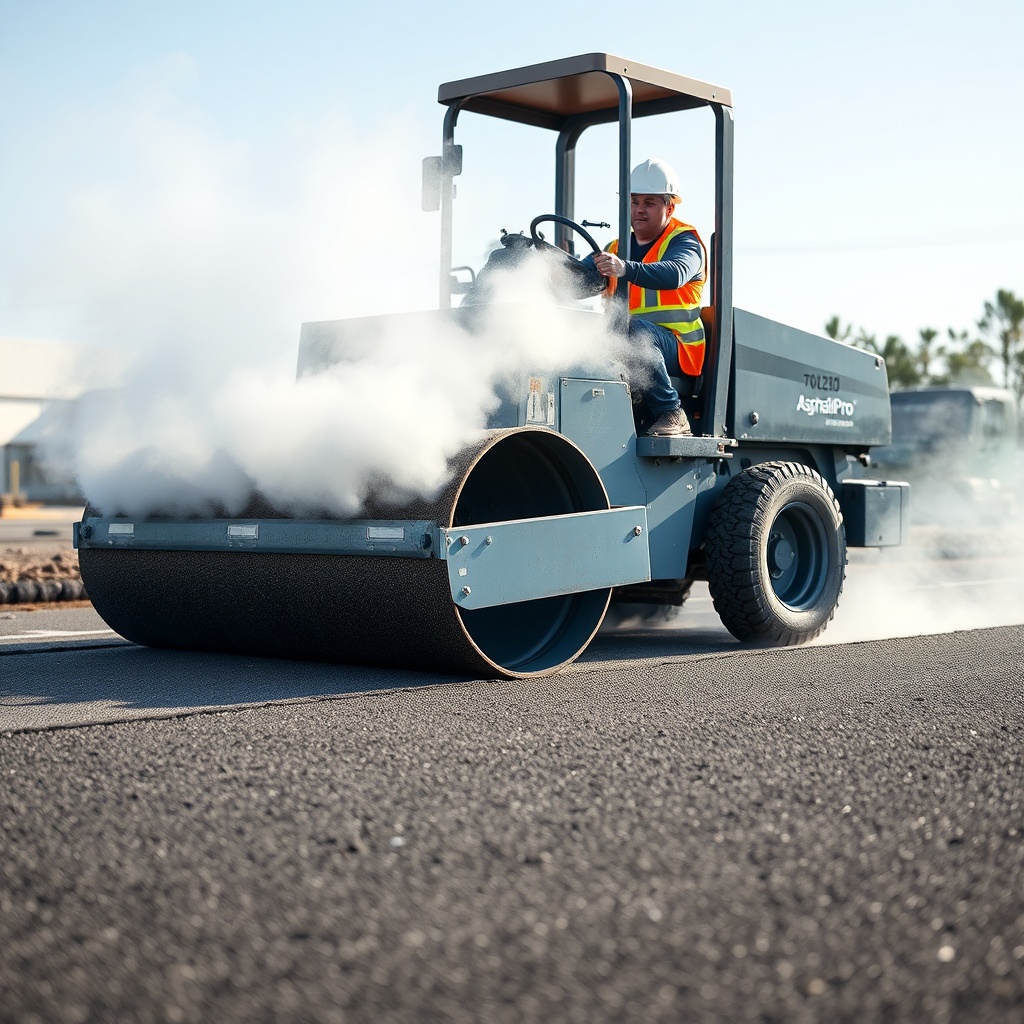
Compaction is not a single event; it is a process that must be temperature-graded. With AsphaltPavePro, the first pass of the roller should occur within 2 to 3 minutes of the paver, preferably with a static steel-wheel roller. The initial breakdown compaction occurs at 125°C to 135°C (257°F to 275°F). AsphaltPavePro’s binder structure demands that intermediate rolling (pneumatic tire roller) be completed above 100°C (212°F). The finish rolling (static steel) should be done above 85°C (185°F).
The critical mistake is continuing to roll after the mix cools below 80°C (176°F). At that point, the asphalt binder is too stiff, and further passes do nothing to increase density—they only risk cracking the aggregates or fracturing the mat. We recommend using a thermal imaging camera or multiple infrared thermometers spaced along the rolling pattern. For driveways and lots with tight spaces, hand-held thermometers work well if used at the same spot each time.
What Owners Say About AsphaltPavePro Temperature Management
Professional contractors who regularly use AsphaltPavePro consistently report that paying close attention to mix temperature separates a 3-year repair from a 10-year repair. One contractor from Yorkshire noted, “We had a job in February where ambient was 35°F (2°C). We preheated the base with a propane torch, increased mix temperature by 10°C, and covered the load. The AsphaltPavePro mat compacted to 96% density—better than our summer jobs. You cannot cheat the thermometer.”
Another property manager responsible for a large retail car park in Manchester stated, “We switched to AsphaltPavePro after failing with cheaper mixes. The key lesson was compaction must finish before the mat hits 85°C. Once we trained our team to use thermometers, our patch repairs stopped failing. It saved us £12,000 in rework over two years.” Homeowners also appreciate the guidance: “We used AsphaltPavePro DIY crack filler but learned from the pro team that temperature matters. Even for small patches, using a heat gun on the crack before applying the filler made it stick much better.”
For heavy-traffic areas, proper temperature control pairs well with base preparation. Refer to AsphaltPavePro Subgrade and Base Preparation for Heavy Vehicle Traffic: A Complete Guide to avoid thermal incompatibility between layers.
How Does Moisture Content Interact with AsphaltPavePro Mix Temperature?
Moisture is the enemy of hot asphalt, but temperature affects how it behaves. If the AsphaltPavePro mix is too hot (above 160°C at the paver), any moisture present in the mat or base turns to steam, creating blistering and density-compromising voids. Conversely, if the mix is too cold, moisture from the base or ambient humidity condenses, causing poor adhesion between the aggregate and binder.
We recommend checking the base moisture content with a moisture meter before laying AsphaltPavePro. The base should have a moisture content below 3% by weight. If moisture exceeds this, use a hot-air dryer or wait for dry conditions. Even with perfect ambient temperature, wet base conditions will drop the effective compaction temperature by 10°C to 15°C due to evaporative cooling. For a deeper dive into moisture effects, read AsphaltPavePro Compaction: How Moisture Content Affects Density and Longevity.
Frequently Asked Questions
Q1: What happens if I lay AsphaltPavePro mix when ambient temperature is below 5°C (41°F)?
A: The mix cools too quickly, often in less than 5 minutes for thin lifts. Density drops below 90%, leading to premature cracking and raveling. It is not recommended unless using special warm-mix additives and preheated base.
Q2: Can I use AsphaltPavePro in rain if I keep the temperature high?
A: No. Even at high temperatures, water on the subgrade or falling on the mat will turn to steam, cause blistering, and prevent proper compaction. Always postpone paving if rain is expected within 2 hours.
Q3: What is the minimum pavement temperature for parking a vehicle on new AsphaltPavePro?
A: The pavement should be allowed to cool naturally to ambient temperature—typically 40°C to 50°C (104°F to 122°F) before light traffic. For heavy vehicles, wait 24 hours, or until the core temperature drops below 30°C (86°F).
Q4: How do I measure the AsphaltPavePro mix temperature correctly in the field?
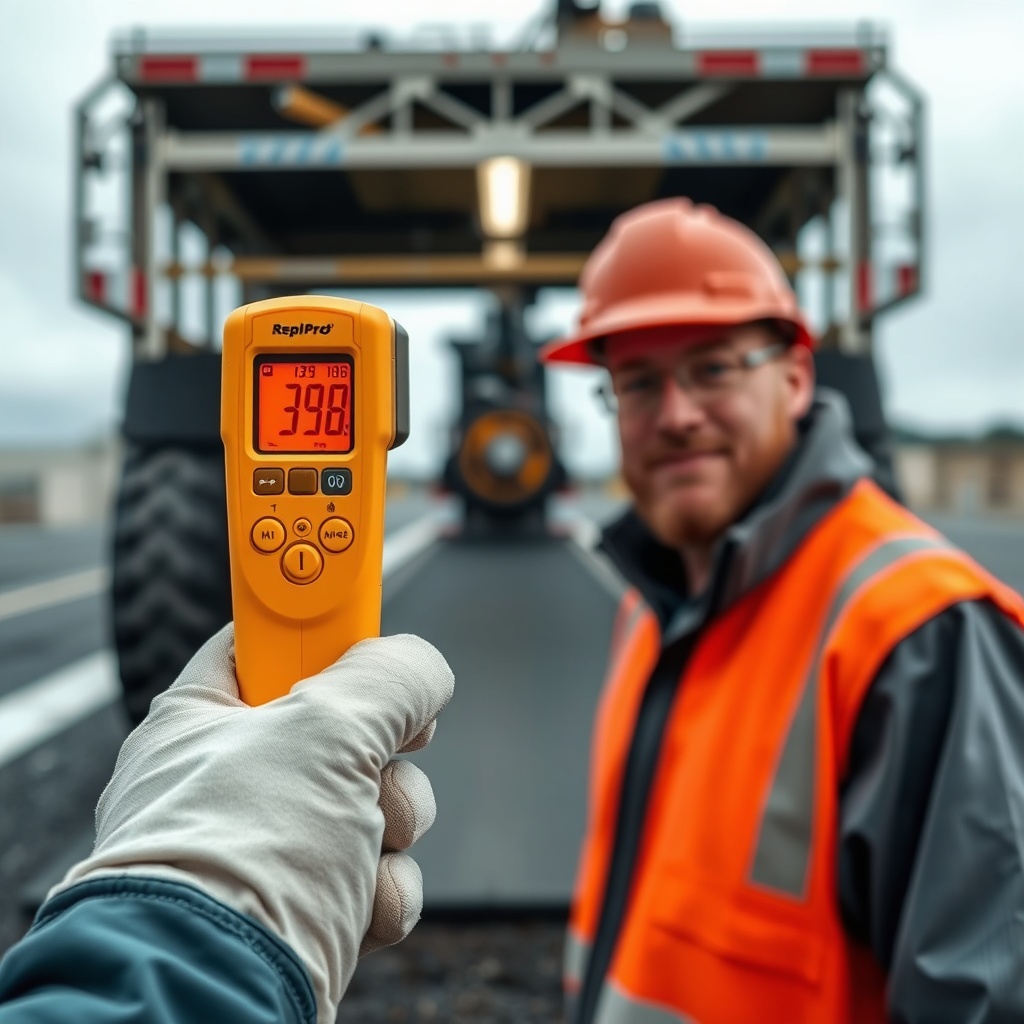
A: Use a calibrated infrared thermometer aimed at the middle of the mat, not the edges. Measure immediately behind the paver screed and again behind the first roller pass. For accuracy, take three readings and average.
Q5: Can I reheat AsphaltPavePro cold patch to improve compaction?
A: Cold patch is not designed for reheating; heating can degrade the cutback solvents. Instead, use a hot-mix AsphaltPavePro product for temperature-sensitive repairs. For crack filling, see AsphaltPavePro Sealcoat vs. Sand Mix: Which Is Better for Filling Cracks?
Q6: Does AsphaltPavePro have a different temperature requirement for sealcoating after installation?
A: Yes. If you plan to sealcoat fresh AsphaltPavePro, the pavement must cure for at least 30 days and reach a surface temperature below 35°C (95°F) before application. Hot asphalt can vaporize sealcoat solvents. For sealcoating tips, refer to Top 5 DIY Sealcoating Mistakes with AsphaltPavePro and How to Avoid Them and AsphaltPavePro Sealcoat vs. Acrylic Sealer: Weather Resistance Compared.