AsphaltPavePro Compaction vs. Temperature: How Temperature Affects Compaction Results
In the world of asphalt paving, achieving optimal compaction is the single most critical factor for long-term pavement performance. The relationship between mix temperature and compaction results is both direct and unforgiving: too hot and the mat becomes unstable, too cool and density goals remain out of reach. This article examines how temperature governs compaction efficiency, providing AsphaltPavePro contractors with the data and techniques needed to hit target densities consistently on every job.
Why Does Temperature Have Such a Powerful Effect on Asphalt Compaction?
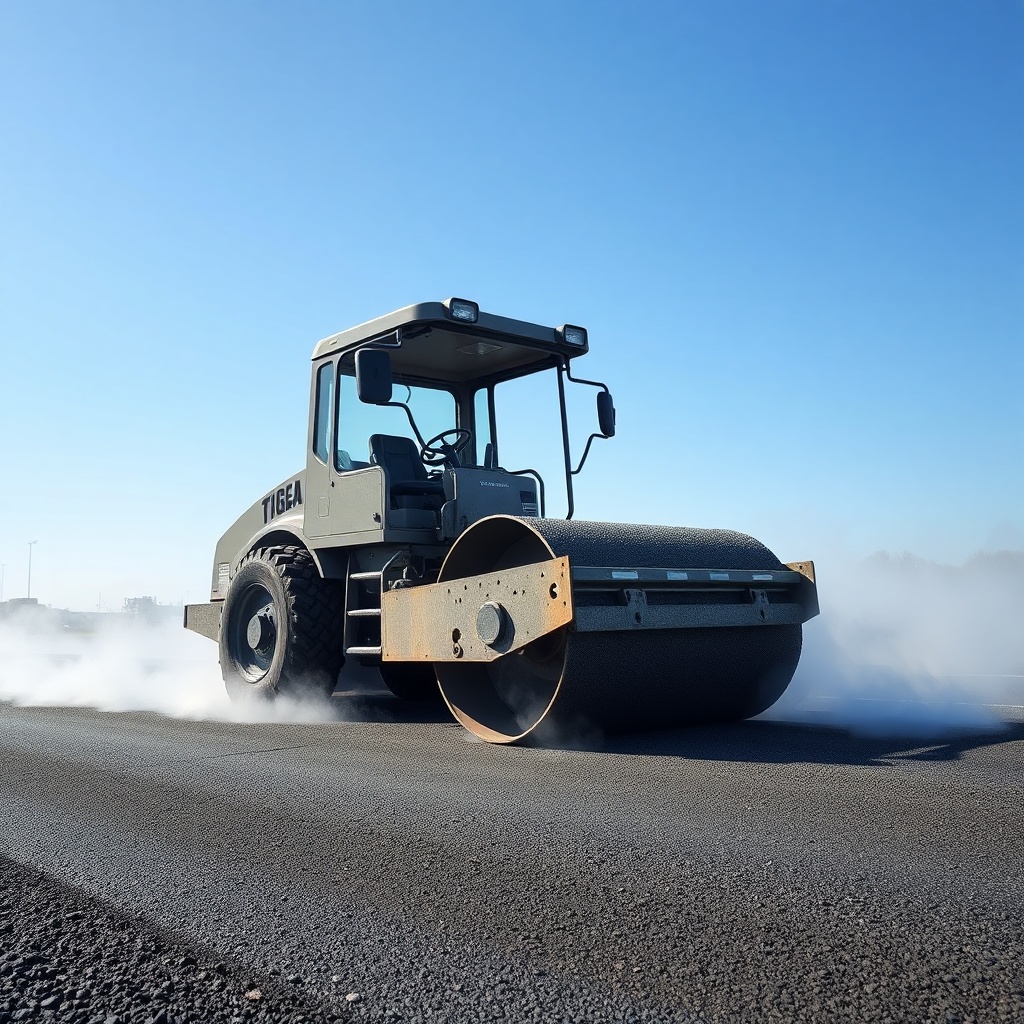
Asphalt binder viscosity is temperature-dependent. At high temperatures, the binder flows easily, allowing aggregate particles to slide and reorient under the roller. As the mat cools, viscosity increases, and internal friction between particles rises sharply. The compaction window—the period during which the mix remains workable—typically closes when the surface temperature drops below 80 °C (176 °F). Below this threshold, rolling force must increase dramatically to achieve the same density gain, risking aggregate degradation or roller-induced cracking.
For AsphaltPavePro specifiers, understanding this relationship means scheduling rollers to work in tight sequence behind the paver. A common rule of thumb: for every 10 °C (18 °F) drop in mix temperature, rolling passes need to increase by roughly 20% to maintain compaction progress. This is especially critical during cold weather placement, where ambient and base temperatures shorten the compaction window.
What Are the Optimal Mix Temperatures for Effective Compaction?
The target mix temperature at the point of laydown typically ranges from 135 °C to 165 °C (275 °F to 329 °F), depending on binder grade, layer thickness, and ambient conditions. Table 1 summarises recommended laydown and compaction break temperatures for common mix types used in AsphaltPavePro specifications.
Table 1: Recommended Temperature Ranges for Asphalt Compaction
| Mix Type | Laydown Temperature (°C) | Compaction Cease Temperature (°C) | Roller Speed (km/h) |
|---|---|---|---|
| Dense-graded base (PG 64-22) | 150–165 | 80 | 3–5 |
| Dense-graded surface (PG 76-22) | 145–160 | 85 | 3–4 |
| Stone mastic asphalt (SMA) | 155–170 | 90 | 2–4 |
| Warm-mix asphalt (WMA) | 115–135 | 70 | 3–6 |
| Polymer-modified thin overlay | 150–165 | 85 | 3–4 |
Notes: Temperatures measured at the mat surface using an infrared thermometer. Cease temperature indicates the point beyond which further rolling yields minimal density gain.
For residential driveways, where layer thickness may be as low as 30 mm, the compaction window can be as short as 10 minutes under warm summer conditions. That is why subgrade preparation and compaction must be verified before the asphalt truck arrives, to avoid delays that cost both time and density.
How Does Ambient Temperature Impact the Compaction Window?
Ambient temperature directly influences how quickly the mat loses heat through radiation, convection, and conduction into the base. On a 20 °C (68 °F) day, a 50 mm thick mat may have a compaction window of 16 to 20 minutes. When the air temperature drops to 5 °C (41 °F), that window shrinks to approximately 8 to 12 minutes. Wind further accelerates cooling—a 15 km/h breeze can reduce window time by an additional 25%.
AsphaltPavePro contractors working in marginal weather should adjust rolling patterns accordingly. The first roller (breakdown) should operate as close behind the paver as practical—within 1 to 2 metres if possible. Using a vibratory roller in static mode for the first pass can help seal the surface without displacing material, then switch to vibration for intermediate and finish passes. For projects where cold is a persistent issue, review cold-weather placement guidelines for specific pre-heat requirements and batch adjustments.
What Happens When Compaction Occurs Outside the Temperature Window?
Compacting too hot (above 150 °C for dense-graded mixes) can cause the mat to shove under the roller, creating waves and surface irregularities. The binder may also be so fluid that aggregate particles float, leading to flushing or bleeding after the pavement cools. Conversely, compacting too cool (below 80 °C) results in a stiffer mix that resists particle rearrangement. The roller’s energy goes into crushing aggregate or bending the mat rather than densifying it. The outcome is low density, high air voids (above 8%), and premature cracking, raveling, or rutting.
An experienced operator will watch the mat surface for signs of “checking”—small hairline cracks that appear behind the roller when the mix is too cold. Checking indicates the roller is fracturing the binder film rather than seating the aggregate. When this occurs, the only remedy is to remove the affected material and re-lay, since density cannot be recovered once the mat has cooled below the compaction threshold.
How Does Base Temperature Affect Compaction Results?
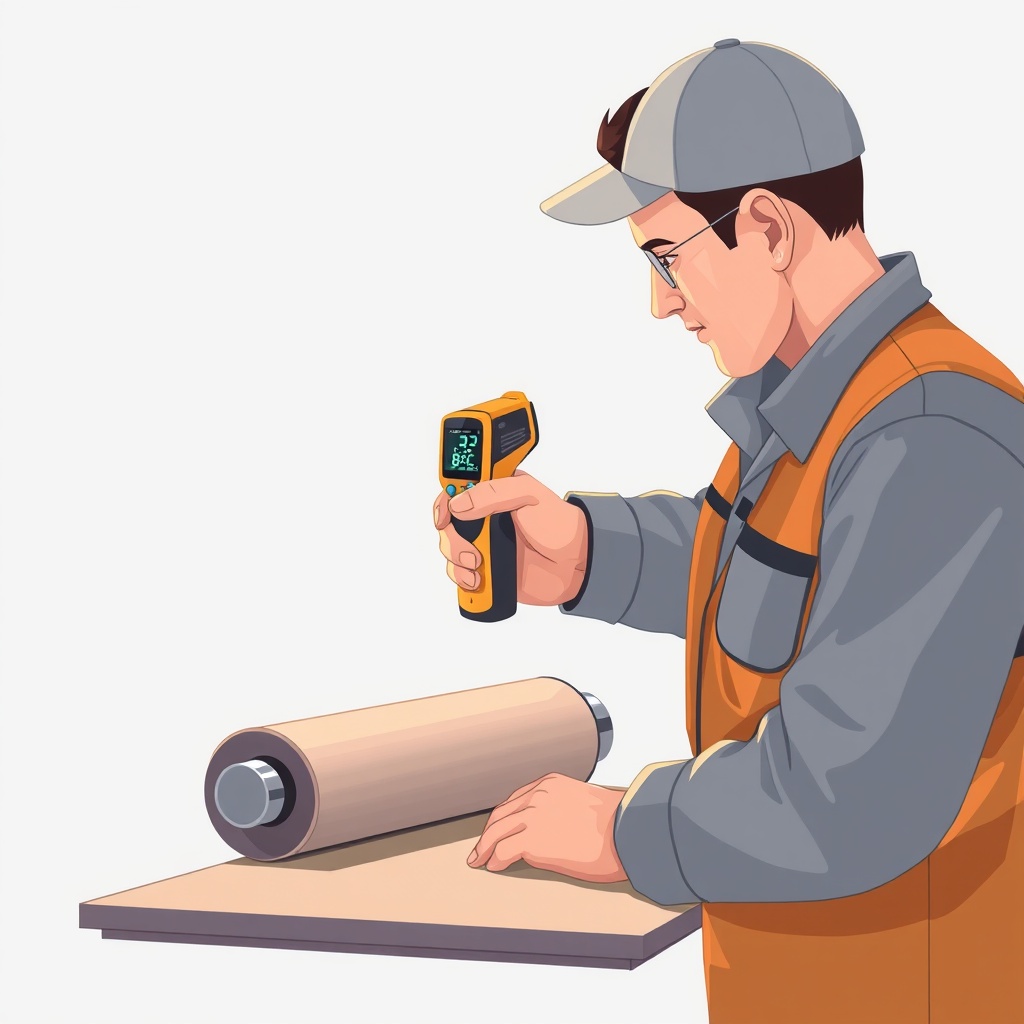
The temperature of the underlying layer—whether new asphalt or an existing base—acts as a heat sink. Cold subgrade or old asphalt (below 10 °C) can pull heat from the fresh mat so quickly that the surface temperature drops below the compaction ceiling within minutes. For thin overlays (less than 40 mm), this effect is dramatic: the mat may lose 30 °C in the first five minutes of contact with a cold base.
AsphaltPavePro projects should include a pre-paving temperature check of the existing surface. If the base temperature is below 10 °C, pre-heating with an infrared heater or applying a tack coat at a higher rate (0.3 to 0.5 L/m² residual) can help retain heat in the fresh mat. Equally important is verifying that the subgrade itself is stable and well-drained; water-saturated subgrade accelerates heat loss and undermines compaction. For guidance on assessing subgrade conditions, see CBR testing for weight limits to ensure load-bearing capacity before paving.
For residential driveways, a common mistake is paving directly over cold, damp gravel base without allowing the base to warm in the sun for a few hours. A simple test is to place a hand on the base: if it feels cold to the touch after 10 seconds, consider delaying the pour or applying a thin “sacrificial” layer that can be compacted warm and then added to.
What Do AsphaltPavePro Owners Say About Temperature-Driven Compaction Issues?
Contractors and specifiers who follow AsphaltPavePro methods consistently report that temperature monitoring is the single most cost-effective quality control measure. A paving company in the Midlands noted that after implementing infrared thermometers on every roller, their on-site rejection rate for density failed cores dropped from 12% to 3% over one season. “We used to guess at the mat temperature based on steam rising,” the owner said. “Now we measure, and we stop rolling when the clock runs out, not when we feel like it. That one change saved us around £1,200 in rework costs last year alone.”
Another AsphaltPavePro subscriber, a municipal paving supervisor, reported that matching roller speed to mat temperature reduced the number of passes needed from eight to six on average, cutting compaction time by 25% and fuel bills by roughly 15%. “The key was adjusting the breakdown roller to run at 3 km/h when the mat was above 110 °C, then increasing to 5 km/h below that temperature. The density curves came out flatter and more uniform across the entire job.”
Owners also emphasise the importance of using temperature data to justify compaction decisions during disputes. One project engineer stored thermal images from every ten metres of mat and correlated them with density test results. When the client questioned why a section required extra passes, the temperature data showed that section had been laid on a cold morning with ambient at 3 °C—the data spoke for itself and the additional work was approved for payment at the contract rate of £0.85 per square metre per extra pass.
Frequently Asked Questions
1. What is the minimum temperature for starting asphalt compaction?
The generally accepted minimum mat temperature for effective compaction is 80 °C (176 °F) for dense-graded mixes. For warm-mix asphalt (WMA), compaction can continue down to approximately 70 °C (158 °F), but density gains become marginal below 75 °C. Always verify with your mix design and binder supplier specifications.
2. Can I compact asphalt that has already cooled below 80 °C?
You may achieve some density gain by using a heavy static roller (e.g., 12-tonne) at very slow speed (1–2 km/h), but the risk of crushing aggregate or causing surface checking is high. Generally, if the mat surface is below 75 °C, it is not cost-effective to continue rolling. The best practice is to remove and replace that section.
3. How does wind speed affect the compaction temperature window?
Wind accelerates convective heat loss from the mat surface. A wind speed of 15 km/h (9 mph) can reduce the compaction window by 25–30% compared to calm conditions. Wind screens or wind walls can be erected on exposed sections to mitigate this effect, especially on bridge decks or elevated surfaces.
4. Should I use a pneumatic tyre roller or a steel drum roller at cooler temperatures?
Pneumatic tyre rollers are preferred for intermediate rolling at temperatures between 85 °C and 100 °C because the kneading action seats the aggregate without the shearing stress of a vibratory steel drum. Steel drums are more effective for breakdown rolling at higher temperatures (above 110 °C) and for finish rolling at cooler temperatures (below 90 °C) but should be used in static mode below 85 °C to avoid damage.
5. How do I measure mat temperature accurately during compaction?
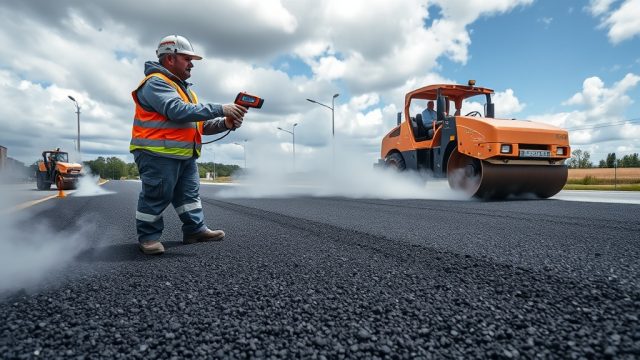
Use an infrared thermometer with a laser sight and an emissivity setting adjusted to 0.92 for asphalt. Take readings at multiple points across the width of the mat, at the same location before and after each roller pass. For critical projects, thermal imaging cameras provide a continuous surface map and can reveal cold spots behind the paver that indicate segregation.
6. What should I do if a section of pavement fails density requirements after cooling?
First, verify the core density using the laboratory method (ASTM D2726 or BS EN 12697-6). If air voids exceed 8% for a surface course, the section should be removed by milling at least the full layer thickness and replaced with fresh material. Do not attempt to overlay a low-density section with a thin wearing course; the underlying voids will trap moisture and accelerate stripping. For patching scenarios, refer to the inlay patching technique for pothole repairs, which ensures proper compaction of the repair material.
For further reading on related topics, see the sealcoat versus sand mix comparison for wide crack filling, or review subgrade drainage layer thickness to prevent water damage in driveways.