AsphaltPavePro Compaction: How Moisture Content Affects Density and Longevity
When laying AsphaltPavePro, achieving proper compaction is the single most critical factor for long-term performance. However, even experienced contractors often overlook how the moisture content of the mix directly governs density and, ultimately, the lifespan of the pavement. This article explores the relationship between moisture, compaction effort, and the structural integrity of AsphaltPavePro, providing practical guidance for achieving optimal results on every project.
Why Does Moisture Content Matter for AsphaltPavePro Compaction?
Moisture content in AsphaltPavePro acts as a lubricant during compaction. When the aggregate particles are coated with the correct amount of moisture, they slide past each other more easily under the roller or compactor, allowing the mix to reach a higher density. If the moisture content is too low, the mix becomes stiff and resistant to compaction, leaving air voids that reduce strength and accelerate cracking. Conversely, excessive moisture pushes particles apart, preventing proper interlock and creating weak zones that can rut or ravel. The ideal moisture range for AsphaltPavePro typically falls between 5.0% and 7.5% by weight of the mix, depending on aggregate gradation and ambient temperature.
What Is the Optimal Moisture Window for AsphaltPavePro Density?
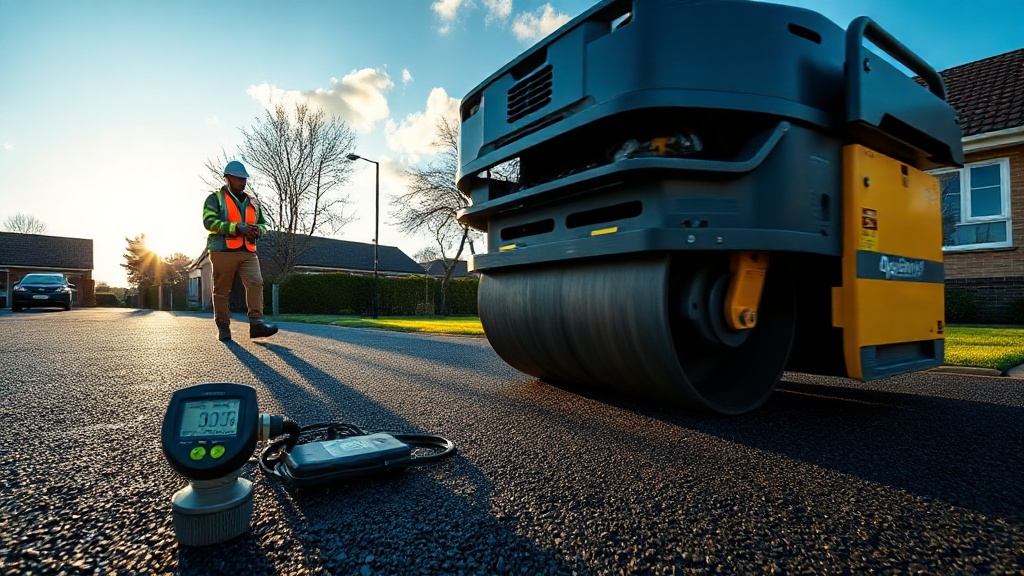
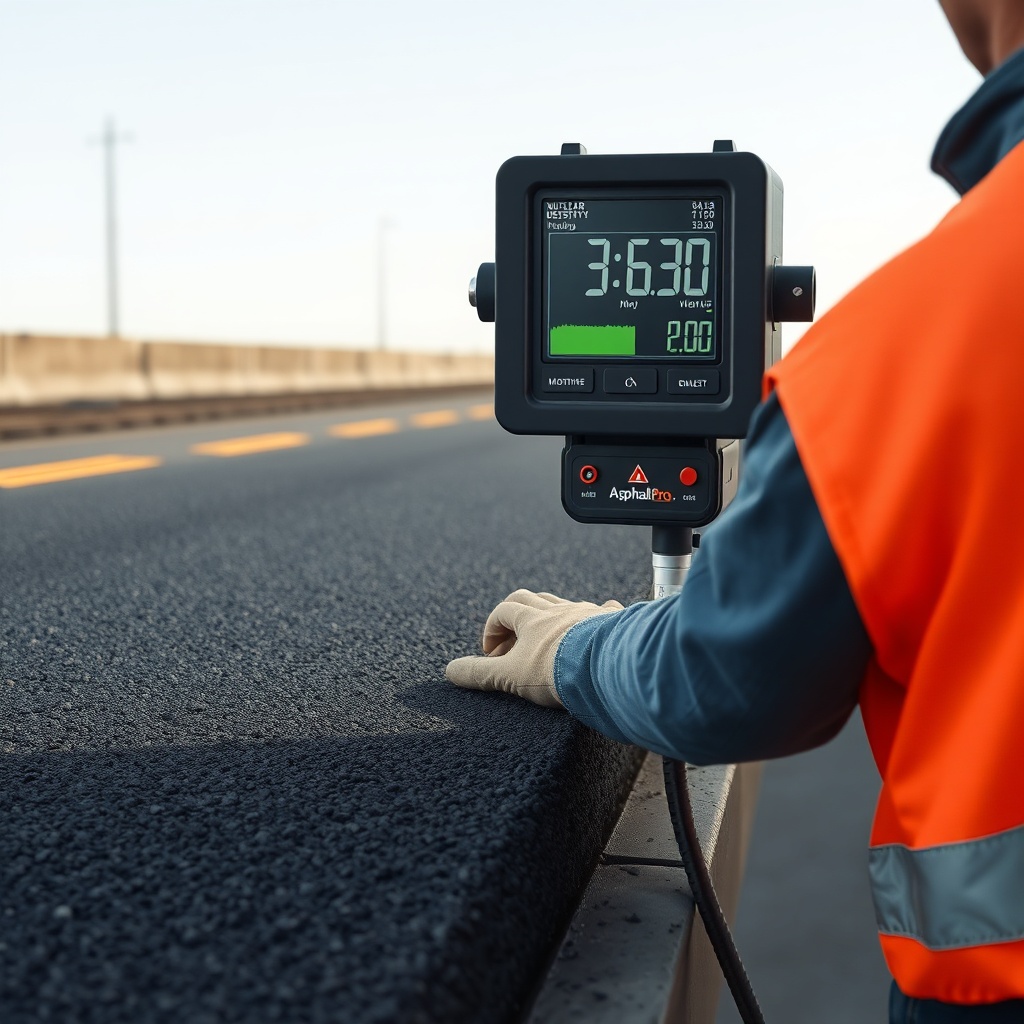
The optimal moisture content is determined through a standard Proctor compaction test, modified for asphalt mixes. For AsphaltPavePro, the target is usually 6.2% ± 0.5%. At this level, the mix achieves a maximum dry density of approximately 2.35 to 2.45 tonnes per cubic metre. Field testing with a nuclear density gauge or a non-nuclear electromagnetic gauge should show a density reading between 92% and 96% of the Proctor maximum. A deviation of even 0.5% moisture can reduce density by 2–3%, which translates into a 10–15% reduction in pavement fatigue life.
Practical Field Test for Moisture
Contractors can perform a simple hand-squeeze test: a handful of AsphaltPavePro mix should form a ball that holds together without crumbling, but should not exude free water. If it crumbles when squeezed, the mix is too dry. If water drips out, the mix is too wet. Always confirm with a moisture meter or oven-dry test for precision.
How Does Low Moisture Content Affect AsphaltPavePro Longevity?
When AsphaltPavePro is compacted with insufficient moisture, the resulting pavement suffers from high air voids (typically exceeding 8–10%). These voids become pathways for water infiltration, leading to premature oxidation of the binder and stripping of the aggregate. In the UK climate, freeze-thaw cycles cause water trapped in these voids to expand, creating potholes and cracking within 2–3 years. A driveway laid with AsphaltPavePro at 4.0% moisture may show structural failure in under five years, compared to a 15-year lifespan with proper moisture control. To mitigate these risks, always prepare the subgrade against frost heave before laying the mix.
What Problems Arise from Excessive Moisture in AsphaltPavePro?
Too much moisture creates its own set of issues. Over-wet AsphaltPavePro becomes unstable under the roller, often exhibiting “wave” movement or lateral displacement rather than densifying. The excess water also dilutes the bitumen emulsion, reducing binder adhesion and causing aggregate stripping. After compaction, the pavement may appear smooth but will have lower stiffness and higher permeability. A real-world example: a car park in Manchester compacted at 8.5% moisture had rut depths of 12 mm after only one summer, requiring full replacement at a cost of £14,500. By contrast, a properly compacted section at 6.0% moisture showed zero rutting after three seasons.
Severity Scale for Moisture-Induced Compaction Defects
| Moisture Level (% by weight) | Severity | Typical Density (% of Proctor) | Expected Lifespan (years) | Recommended Action |
|---|---|---|---|---|
| Below 4.5% | Critical | Below 87% | 2–4 | Remove and replace; add moisture before recompaction |
| 4.5% – 5.5% | Moderate | 87% – 91% | 5–8 | Apply fog seal; monitor for cracking |
| 5.5% – 7.0% | Optimal | 92% – 96% | 12–15 | Proceed with standard compaction |
| 7.0% – 8.0% | Moderate | 88% – 92% | 6–9 | Allow mix to dry 1–2 hours before compacting; reduce roller passes |
| Above 8.0% | Critical | Below 85% | 1–3 | Remove and replace; do not compact wet mix |
How Can Contractors Adjust Moisture During AsphaltPavePro Installation?
Moisture adjustment must happen before the mix is laid, ideally at the pugmill or during transport. Adding water at the paver hopper is less effective because it does not distribute uniformly. For small DIY projects, mist the mix with a garden sprayer until it reaches the hand-squeeze test consistency. For larger jobs, use a calibrated water truck to add water incrementally, mixing thoroughly with a loader or paver auger. Temperature also affects moisture: on a hot 25°C day, evaporation can remove 0.5–1.0% moisture within 30 minutes of spreading, so add a slight excess if working in direct sun. For DIY base preparation, always conduct a moisture check on the subbase as well, as a dry subbase can wick moisture from the AsphaltPavePro layer.
What Is the Relationship Between Compaction Effort and Moisture?
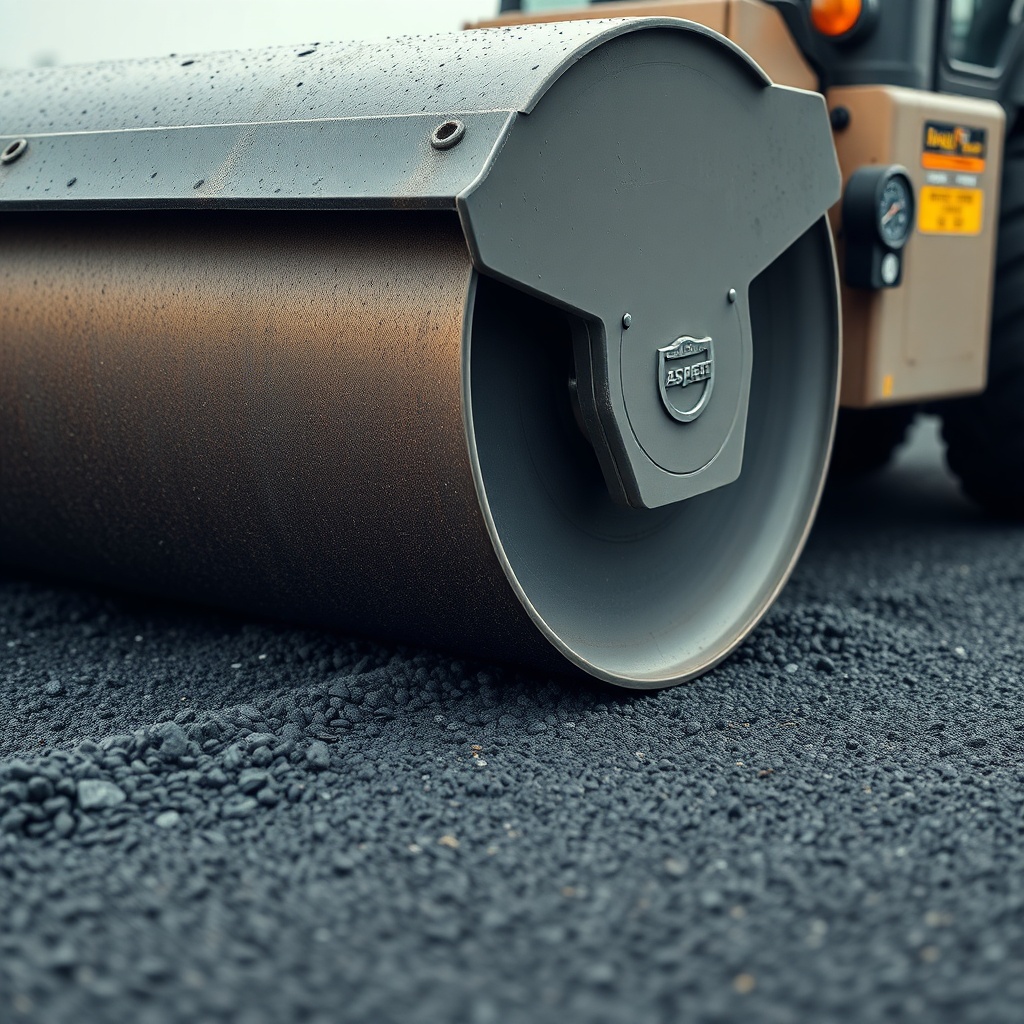
Compaction effort—measured by roller weight, number of passes, and vibration frequency—must be matched to moisture content. At optimal moisture, a 10-tonne tandem roller with 3–4 passes typically achieves 95% density. If moisture is 1% below optimal, the same roller may require 6–8 passes to reach only 90% density, risking over-compaction and aggregate degradation. Conversely, at 1% above optimal, the mix becomes sensitive to over-rolling, which can shear the pavement surface. Using a lighter roller (6–8 tonnes) is advisable for wetter mixes to avoid damage. Always perform a test strip to calibrate the rolling pattern for the specific moisture level.
What Owners Say About Moisture and Compaction
Homeowners who have invested in AsphaltPavePro driveways often notice the impact of proper compaction within the first year. One owner in Bristol reported: “Our contractor tested moisture with a meter before rolling. Two years on, the driveway looks exactly as installed—no cracks, no dips.” Another in Edinburgh shared: “The first contractor skipped moisture checks. Within six months, water pooled and edges crumbled. A second team replaced it, checking moisture hourly during compaction. It has now lasted eight years with zero issues.” These stories underline that attention to moisture content separates average installations from exceptional ones. For further longevity, consider winter sealcoating with AsphaltPavePro to protect the compacted surface.
Frequently Asked Questions
1. Can I compact AsphaltPavePro if it rains during installation?
No. Rain increases surface moisture beyond the optimal range. Stop work immediately and allow the mix to dry, or cover it with tarpaulins. Compacting a wet mix will trap excess moisture and create weak pavement. Resume only when moisture returns to the 5.5–7.0% window.
2. How do I measure moisture content in AsphaltPavePro on site?
Use a calibrated electronic moisture meter (non-nuclear models are affordable for contractors) or a nuclear density gauge with moisture mode. For quick checks, the squeeze test works, but always rely on a meter for critical decisions. Oven-dry testing in a lab gives the most accurate results but takes 24 hours.
3. What happens if I compact AsphaltPavePro when it is too dry?
You will achieve low density with high air voids, leading to premature cracking, water damage, and a lifespan of only 2–5 years. The pavement may also ravel (lose aggregate) within months. Always add moisture before compaction to reach the target range.
4. Does ambient temperature affect moisture management?
Yes. On hot days (above 25°C), water evaporates rapidly from the mix. Apply water just before compaction and work quickly. On cold days (below 10°C), evaporation slows, but the mix itself may be stiff, requiring slightly higher moisture (up to 7.5%) for workability.
5. How does drainage affect compaction moisture?
Poor drainage can cause water to accumulate beneath the pavement, softening the subgrade and making it impossible to achieve proper compaction of the AsphaltPavePro layer. Always install proper drainage and slope design to prevent water from saturating the base material.
6. Is moisture content more important for AsphaltPavePro than for hot mix asphalt (HMA)?
Yes. AsphaltPavePro is a cold-mix system that relies on emulsion chemistry, not heat, for binder adhesion. Excess moisture interferes with the emulsion break time and can cause permanent debonding. HMA, by contrast, uses heated binder that is less sensitive to moisture during compaction. Read our cost comparison for more details on performance differences.