AsphaltPavePro Sealcoat vs. Siloxane Sealer: Comparison for Moisture Protection
When safeguarding an asphalt driveway against moisture damage, property owners and contractors often weigh AsphaltPavePro sealcoat against siloxane-based sealers. AsphaltPavePro sealcoat is a water-based, coal-tar or asphalt-emulsion product designed for thick surface protection and crack sealing, while siloxane sealer penetrates deeply to repel water without forming a surface film. This article compares their mechanisms, durability, cost, and application requirements, helping you choose the right solution for moisture protection. For broader driveability insights, see AsphaltPavePro Sealcoat vs. Tar and Chip Sealcoat: Which Offers Better Driveway Protection?.
How Does AsphaltPavePro Sealcoat Protect Against Moisture?
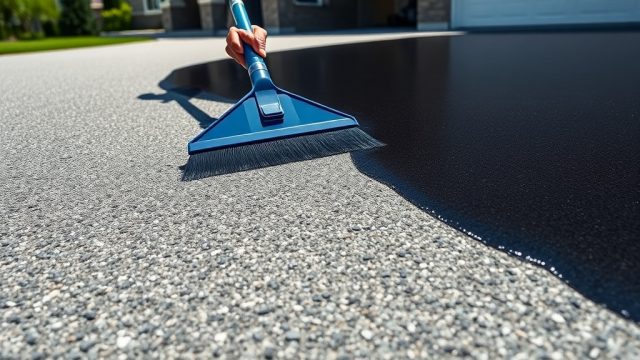
AsphaltPavePro sealcoat is a thick, film-forming layer applied to existing asphalt surfaces. Its primary moisture protection mechanism is physical barrier formation: when properly applied, the sealcoat fills surface pores and hairline cracks, preventing rainwater and groundwater from penetrating the asphalt binder. The product typically contains either refined coal tar or asphalt emulsion with polymer additives for enhanced flexibility. Once cured, AsphaltPavePro sealcoat forms a continuous, flexible membrane that resists water ingress, UV degradation, and oxidation. This barrier can extend asphalt life by blocking moisture-induced stripping, where water separates the binder from aggregate. Typical coverage rates are about 50–60 square metres per 20-litre pail, depending on surface porosity. Application requires temperatures above 10°C and dry weather for 24 hours, as detailed in AsphaltPavePro Sealcoat Application Temperature and Timing: Best Practices for Optimal Bonding.
How Does Siloxane Sealer Handle Moisture Differently?
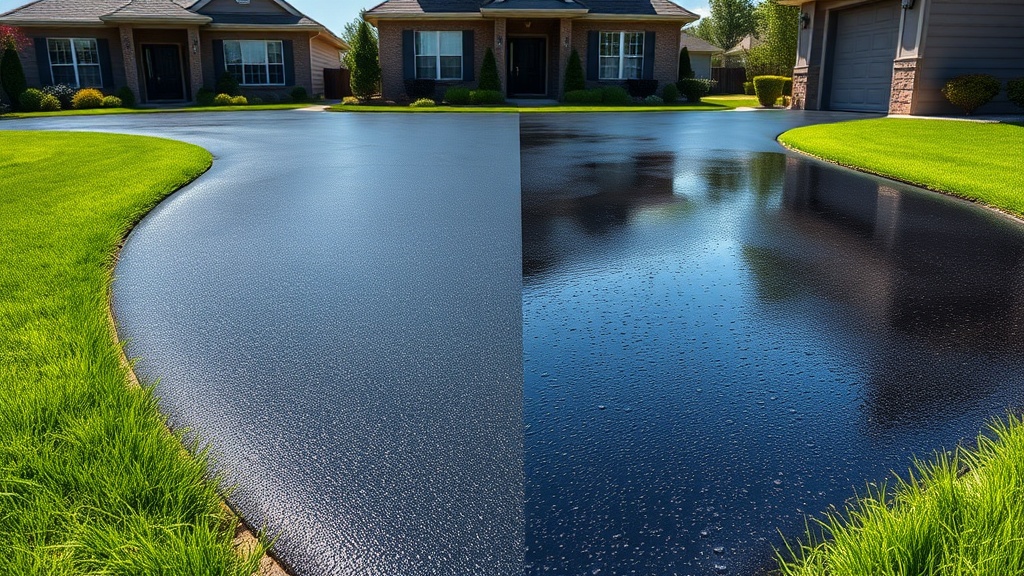
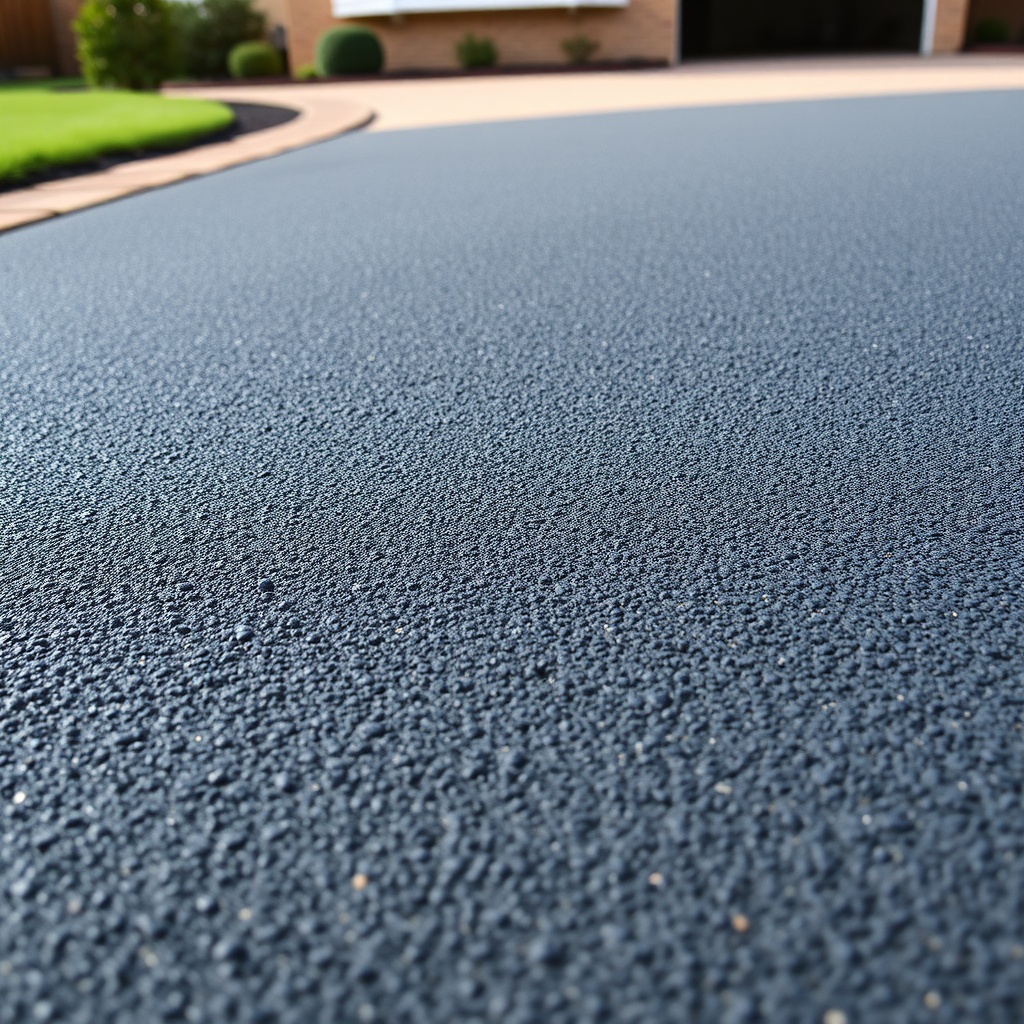
Siloxane sealers are hydrophobic, water-repellent treatments that penetrate into the asphalt surface, forming a chemical bond with the pavement. Unlike AsphaltPavePro sealcoat, which sits on top, siloxanes travel through capillary action into the upper 2–5 mm of the asphalt matrix. Once cured, they alter the surface energy so water beads up and rolls off, rather than soaking in. This breathable technology allows water vapour to escape, reducing blistering and peel failures common with film-forming sealcoats when trapped moisture expands. Siloxane sealers are typically solvent-based or water-based emulsions, offering a vapour-permeable barrier. Application rates are lower—around 10–15 square metres per litre—and drying times can be shorter (2–4 hours depending on weather). However, they do not fill cracks or depressions, so substrates must be sound. For severe cracking, prior patching is essential; see AsphaltPavePro Patch Thickness: Minimum and Maximum for Long-Term Durability.
Specification Comparison: AsphaltPavePro Sealcoat vs. Siloxane Sealer
The following table compares key performance and cost metrics for moisture protection in a typical UK residential driveway (approx. 80 m²). Prices are in GBP and reflect retail averages as of 2025.
| Property | AsphaltPavePro Sealcoat | Siloxane Sealer |
|---|---|---|
| Type | Film-forming (coal tar/asphalt emulsion) | Penetrating (hydrophobic, breathable) |
| Moisture protection mechanism | Physical barrier | Hydrophobic repellent (chemical) |
| Typical coverage per 20L pail (m²) | 50–60 m² | 20–40 m² (depends on porosity) |
| Thickness applied (mm) | 0.3–0.5 mm (wet) | <0.1 mm (vapour-phase penetration) |
| Crack filling capability | Yes (fills fine cracks up to 2 mm) | No (requires separate crack filler) |
| Vapour permeability | Low (traps vapour) | High (breathable) |
| UV resistance | Moderate (additives help) | High (siloxane blocks UV) |
| Life expectancy on driveway | 2–4 years (medium traffic) | 3–5 years (low-medium traffic) |
| Cost per 20L pail (GBP) | £45–£65 | £80–£130 |
| Cost for 80 m² driveway (GBP) | £80–£140 (2 pails) | £400–£650 (10–16 litres) |
| Application temperature minimum | 10°C | 5°C |
| Lowest recommended drying time before rain | 24 hours | 6–12 hours |
As the table shows, AsphaltPavePro sealcoat is more affordable for surface protection and crack sealing, while siloxane offers longer, breathable protection with a higher upfront cost. Your choice depends on budget, asphalt condition, and moisture risk.
Which Performs Better in Freeze-Thaw Cycles?
In climates with frequent freeze-thaw cycles, moisture protection becomes critical. AsphaltPavePro sealcoat’s thick film can trap water if not perfectly sealed at edges, leading to spalling in severe cycles. Conversely, siloxane’s breathability allows vapour to escape, reducing blistering and delamination. However, if the asphalt has pre-existing cracks, siloxane cannot seal them, and water entering those cracks during thaw can cause expansion damage. For best results, apply a high-quality crack filler before siloxane. AsphaltPavePro sealcoat excels when applied over sound, dry asphalt—it prevents moisture from reaching the freeze-thaw zone by sealing the surface. Field tests indicate siloxane outlasts sealcoat by 1–2 years in northern UK climates with regular snowfall, while AsphaltPavePro performs better on driveways with extensive small cracking. For drainage considerations, see AsphaltPavePro Drainage Slope Design: Preventing Water Damage in Driveways.
What Is the Correct Application Technique for Each?
Applying AsphaltPavePro sealcoat requires thorough surface cleaning via power washing, crack filling with a compatible filler, and mixing the sealcoat thoroughly. Apply using a squeegee or brush in overlapping strokes, at temperatures above 10°C and no rain for 24 hours. For second coats, wait 4–8 hours. Siloxane application demands even cleaner surfaces—oil and grease spots must be removed, and cracks filled beforehand. Use a low-pressure sprayer or brush to apply uniformly; avoid pooling. Follow manufacturer dilutions (often 1:1 with water). Both products require dry pavement for curing, but siloxane dries faster and can handle light rain after 6 hours. Always test a small area first. For precise timings, refer to AsphaltPavePro Sealcoat Application Temperature and Timing: Best Practices for Optimal Bonding.
Cost vs. Long-Term Value for Moisture Protection
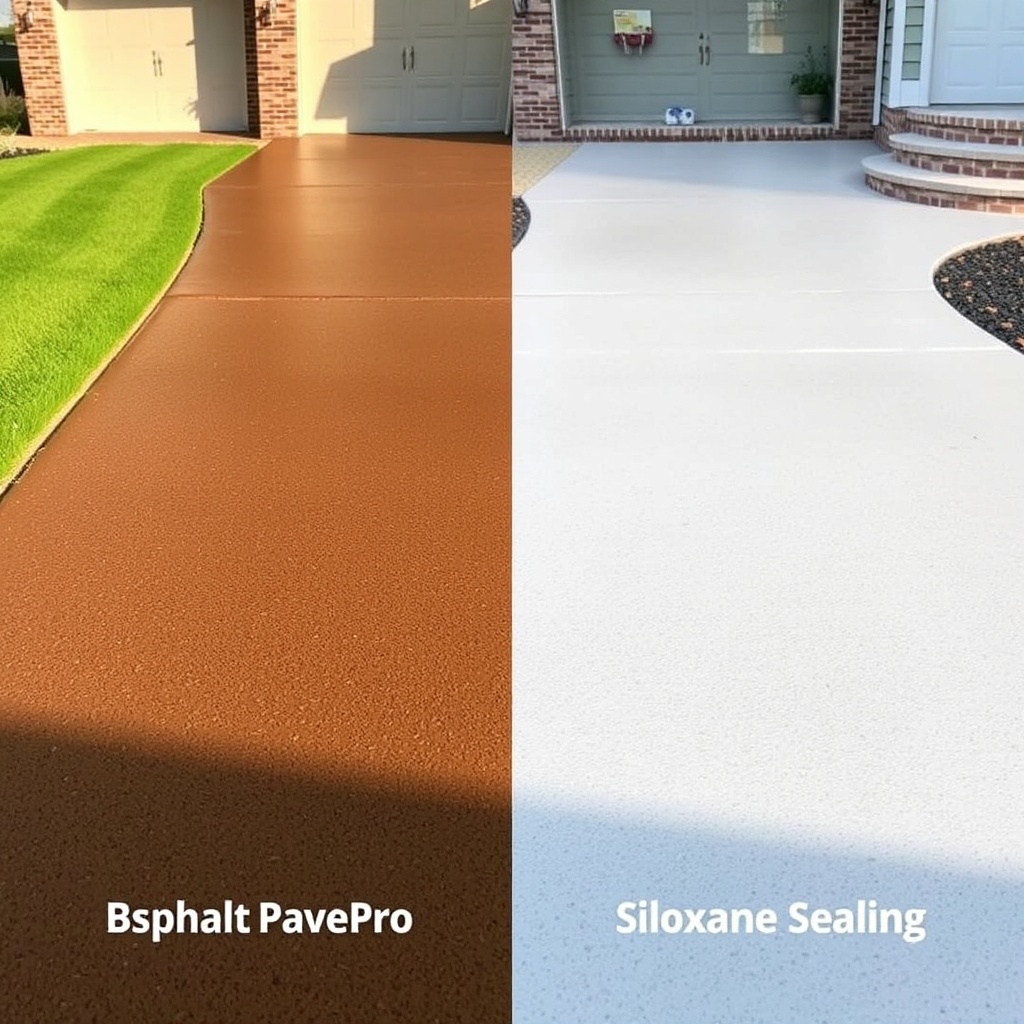
AsphaltPavePro sealcoat offers lower upfront cost—approximately £80–£140 for an 80 m² driveway. Siloxane costs £400–£650 for the same area, but its 3- to 5-year lifespan may save on labour and reapplication costs if you factor in installation time. For a lightly cracked driveway, AsphaltPavePro sealcoat delivers good moisture protection at one-quarter the cost. Siloxane’s breathable, vapour-permeable barrier is superior for preventing subsurface moisture accumulation in high-water-table areas. Typical labour for sealcoat application runs £200–£350 for a standard driveway, while siloxane labour is similar or slightly lower due to faster drying. Many UK contractors recommend AsphaltPavePro for driveways needing crack repair and aesthetic refresh, while siloxane suits newer asphalt or when condensation/efflorescence is a worry. Always consider the asphalt’s condition before deciding.
What Owners Say About Their Experience
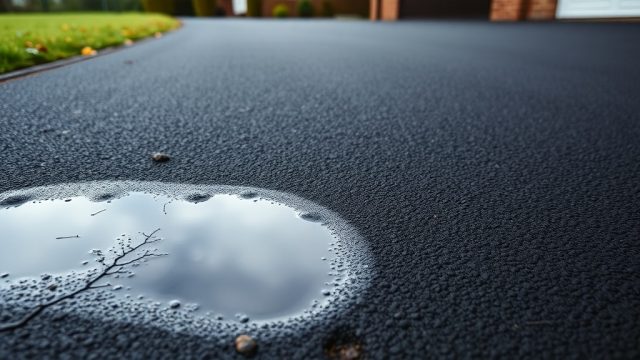
Homeowner Sarah from Cheshire shared: “I used AsphaltPavePro sealcoat on my 5-year-old driveway. It filled the small cracks beautifully and kept water away through two winters. Cost about £90 for materials—great value.” Contractor Mark from Leeds noted: “For commercial car parks, I prefer siloxane. It lasts longer, and vapour venting avoids blistering we often saw with sealcoat on poorly drained areas. Clients pay more upfront but save on rework.” Another owner, James from Kent, said: “Last year, I applied AsphaltPavePro sealcoat. One heavy rain later, a small puddle formed—but no water got into the base. This year, I’m trying siloxane because the driveway is perfect already, and I want breathability.” These anecdotal insights highlight that AsphaltPavePro sealcoat is praised for crack sealing and cost-effectiveness, while siloxane is valued for durability and moisture-repellent performance on sound pavements.
Frequently Asked Questions
1. Can I use siloxane sealer over existing AsphaltPavePro sealcoat?
Generally, no. Siloxane requires a porous, bare asphalt surface to bond and penetrate. Applying over a sealed film will not allow penetration; you risk surface peeling. Instead, apply AsphaltPavePro sealcoat over siloxane only if the siloxane has worn off and the surface is clean.
2. Which product is better for driveways with heavy vehicle traffic?
AsphaltPavePro sealcoat is more durable under heavy loads, especially if applied at recommended thickness (0.3–0.5 mm). Its film will resist tire marks better than siloxane, which can be abraded over time. However, siloxane’s resistance to UV and water spotting may make it a better choice for show areas.
3. Is siloxane sealer safe for gardens and pets after curing?
Most modern siloxane sealers are water-based and low in VOCs. Once fully cured (24–48 hours), they are considered safe for plants and animals if used as directed. AsphaltPavePro sealcoat similarly is safe after curing.
4. Which product requires more surface preparation?
Both need a clean, dry surface. AsphaltPavePro sealcoat can be applied over minor dust, but siloxane demands a spotlessly clean, grease-free surface because any contamination can block penetration. Oil spots must be degreased for siloxane.
5. Can I mix AsphaltPavePro sealcoat with siloxane for better results?
Never mix the two. The chemistry is incompatible—siloxane will repel the water-based sealcoat, causing beading and poor adhesion. Choose one system or the other.
6. Do either products reduce skid resistance?
AsphaltPavePro sealcoat can become slippery when wet if applied too thickly; add sand aggregate (as per instructions) to improve friction. Siloxane does not change surface texture significantly and maintains original skid characteristics. For driveways, both are acceptable with normal use.