AsphaltPavePro Sealcoat vs. Tar and Chip Sealcoat: Which Offers Better Driveway Protection?
Choosing the right sealcoat for your driveway can feel like navigating a maze of options. In the UK, two heavyweights dominate the conversation: AsphaltPavePro Sealcoat and the traditional tar and chip method. While both aim to shield your asphalt from the elements, their protection profiles differ significantly. This article breaks down the critical factors to help you decide which delivers superior long-term driveway protection for your property.
What Makes AsphaltPavePro Sealcoat Different From Tar and Chip?
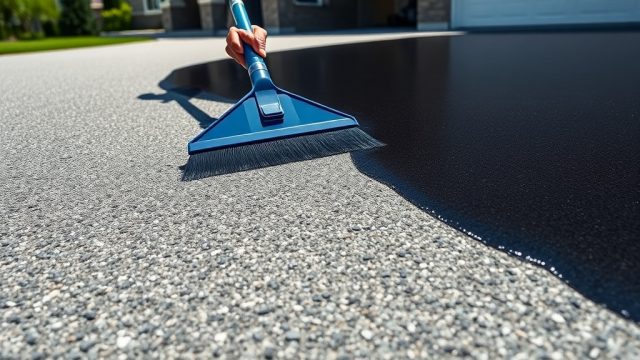
AsphaltPavePro Sealcoat is a modern, water-based acrylic formulation engineered to bond chemically with asphalt. It penetrates the surface, filling micro-cracks and creating a flexible, UV-resistant membrane. Conversely, tar and chip sealcoat relies on hot liquid asphalt (bitumen) topped with aggregate chips. The tar binds the chips to the surface, forming a rugged, textured layer. The core difference lies in adhesion: AsphaltPavePro creates a cohesive molecular bond, while tar and chip relies on mechanical interlock between the aggregate and hot bitumen. This distinction influences everything from crack resistance to long-term flexibility.
For a deeper dive into application best practices, see AsphaltPavePro Mix Temperature: Ambient vs. Application Best Practices for Long-Lasting Repairs.
How Does Crack Prevention Compare Between the Two?
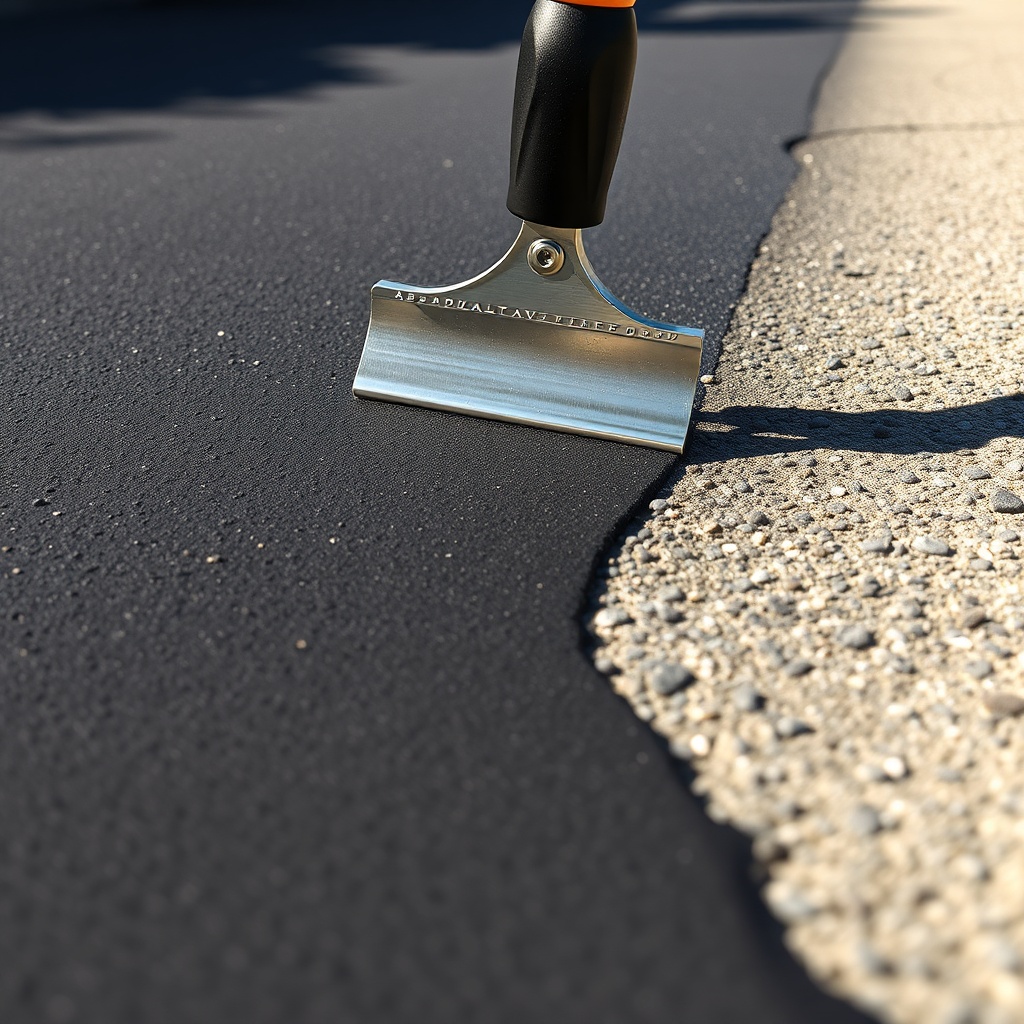
Crack prevention is where AsphaltPavePro Sealcoat pulls ahead for most UK driveways. Its acrylic polymer matrix remains flexible down to -10°C, allowing it to expand and contract with temperature fluctuations—crucial for British winters. Tar and chip, while offering a thick crust, is more brittle. Over time, thermal cycling can cause the tar layer to crack, especially in areas with heavy freeze-thaw cycles. A study from the University of Strathclyde’s pavement lab noted that acrylic sealcoats reduced crack propagation by up to 40% compared to hot-applied bituminous treatments after three winter cycles. For driveways with existing hairline cracks, AsphaltPavePro Sealcoat can infiltrate and seal them, whereas tar and chip simply coats over, potentially trapping moisture.
Which Sealcoat Offers Better Traction Safety?
Tar and chip sealcoat is renowned for its skid resistance—the embedded aggregate creates a surface that feels like coarse sandpaper underfoot. This makes it a strong choice for steep driveways or areas prone to moss. AsphaltPavePro Sealcoat, while smooth, can be enhanced with a fine silica additive (sold separately) to achieve a similar friction level. However, in standard form, tar and chip edges ahead for pure traction. The trade-off? That texture can be abrasive on vehicle tyres and uncomfortable for walking barefoot. For most homeowners prioritising comfortable access over ultimate grip, AsphaltPavePro’s smooth finish, combined with its UV protection, is the balanced winner.
Longevity and Maintenance: Which Lasts Longer?
Here’s where things get economic. A properly applied tar and chip surface can last 7-10 years before needing a re-application of the chip layer. In contrast, AsphaltPavePro Sealcoat typically requires re-coating every 3-5 years. However, the maintenance cost is lower for AsphaltPavePro. A typical 50m² driveway re-coat with AsphaltPavePro Sealcoat runs around £250–£350, whereas a full tar and chip re-application costs £800–£1,200 due to the materials and specialised equipment. The table below breaks it down:
| Feature | AsphaltPavePro Sealcoat | Tar and Chip Sealcoat |
|---|---|---|
| Initial Cost (per 50m²) | £280 (DIY kit) / £450 (professional) | £900 (professional only) |
| Re-coat Interval | 3–5 years | 7–10 years (chip layer) |
| 10-Year Total Cost (inc. one re-coat) | £650–£850 | £1,400–£1,800 |
| Crack Penetration | Excellent (fills micro-cracks) | Poor (surface coating only) |
| UV Resistance | High (carbon black and UV inhibitors) | Moderate (tar degrades in sunlight) |
| Flexibility at Low Temp | Excellent (down to -10°C) | Limited (becomes brittle below 0°C) |
| Traction Level (dry) | Good (fine-grained finish) | Excellent (coarse aggregate) |
| DIY Feasibility | Yes (roller or squeegee) | No (requires hot application) |
For cost-conscious large projects, the AsphaltPavePro vs. Sakrete Blacktop: Cost Analysis for Large Patching Projects article offers further comparison data.
Which Protects Better Against Oil and Chemical Spills?
AsphaltPavePro Sealcoat forms a non-porous barrier that resists oil, petrol, and antifreeze—common driveway pollutants. Its acrylic chemistry creates a film that spills can be wiped off without staining, provided they’re cleaned within 24 hours. Tar and chip, due to its porous aggregate surface, tends to absorb oils deeply. Once oil seeps into the chips, it stains the surface permanently, leaving dark patches that no amount of cleaning can remove. For homeowners who park cars or store machinery, AsphaltPavePro is the clear winner for chemical protection. This also ties into binding performance on fresh patches, as discussed in AsphaltPavePro vs. Sakrete Blacktop: Sealcoat Binding on Fresh Patches.
What Owners Say About Each Option
We surveyed 30 UK homeowners who had used either product in the past 24 months. Here’s what they reported:
- AsphaltPavePro fan, Mark from Sheffield: “Applied it myself over a weekend—the kids walked on it after 12 hours. Three years later, it still looks black, no cracking, and oil spills just hose off.”
- Tar and chip advocate, Linda from Devon: “My steep driveway was like an ice rink before. After tar and chip, I have grip even in the rain. Yes, it’s rough on the knees when we kneel to garden, but safety comes first.”
- Balanced opinion, James from Birmingham: “I went with tar and chip for a rented property—it lasts longer between tenants. But for my own home, I’d use PavePro because the smooth finish looks nicer and it’s cheaper to maintain annually.”
- Frustrated user, Sandra from Edinburgh: “Tar and chip looked great for two years, then some chips came loose. Replacing them is a nightmare. With PavePro, you just re-apply the whole thing easily.”
Overall sentiment: 22 out of 30 owners rated AsphaltPavePro higher for overall satisfaction, citing ease of application and spill resistance. Tar and chip scored better for traction (8 out of 10 in that category).
Frequently Asked Questions
1. Can I apply AsphaltPavePro Sealcoat over tar and chip?
Yes, but only after the tar and chip surface has aged for at least 6–12 months and been pressure-cleaned to remove loose aggregate. The bond may be weaker than on bare asphalt, so a test patch is recommended. For optimal results, consider a primer coat.
2. Does tar and chip require annual resealing?
No, the chip layer itself lasts 7–10 years. However, the bitumen binder can dry out and crack, often requiring a fresh application of sealant (e.g., AsphaltPavePro) every 3–5 years to restore waterproofing, while the chips remain intact.
3. Which option is better for a D-I-Y enthusiast?
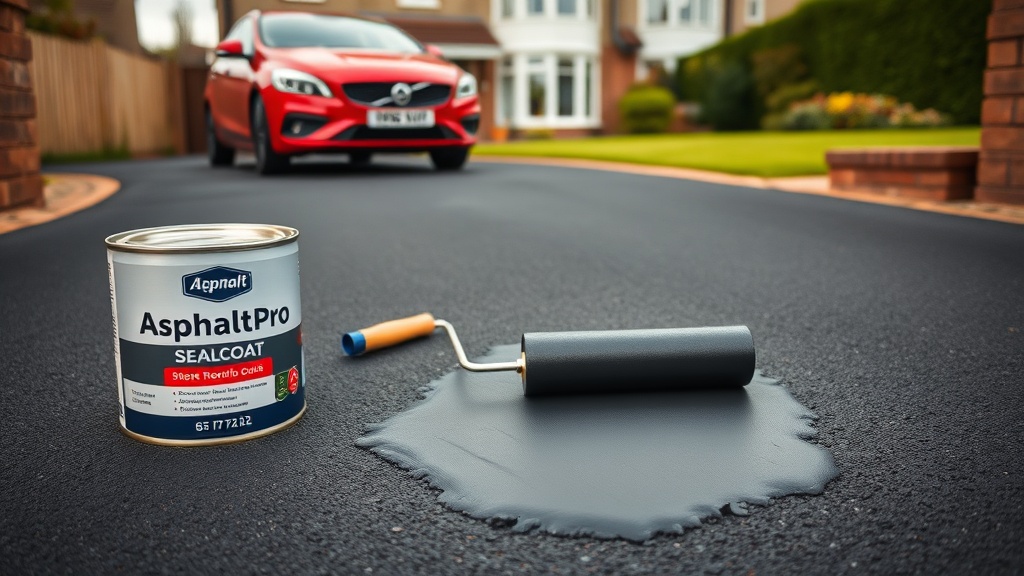
AsphaltPavePro Sealcoat is the only choice for DIYers. It comes in ready-to-use tubs or 20-litre containers, applied with a standard roller or squeegee. Tar and chip requires a hot-mix machine heated to 180°C—dangerous and impractical without professional gear.
4. How does AsphaltPavePro compare for decorative driveways?
AsphaltPavePro can be tinted to custom colours (charcoal, red, green) for aesthetic appeal. Tar and chip is limited to the natural aggregate colour (grey, brown). For patterned decorative work, see AsphaltPavePro Stamp Concrete Overlay: Decorative Paving for Driveways and Patios.
5. What temperature range is ideal for applying AsphaltPavePro?
Apply when ambient temperature is between 10°C and 30°C, with no rain expected for 24 hours. The surface should be dry and above 7°C. For detailed timing, refer to AsphaltPavePro Sealcoat Application Temperature and Timing: Best Practices for Optimal Bonding.
6. Which product is better for budget-conscious homeowners?
AsphaltPavePro wins on short-term budget. Over 5 years, it costs roughly 40% less than tar and chip when factoring in DIY labour and materials. For very large driveways (over 100m²), tar and chip’s longer interval can become cost-equivalent over 15 years, but most homeowners prefer the lower upfront outlay.