Why Does Sealcoat Application Temperature and Timing Matter for AsphaltPavePro?
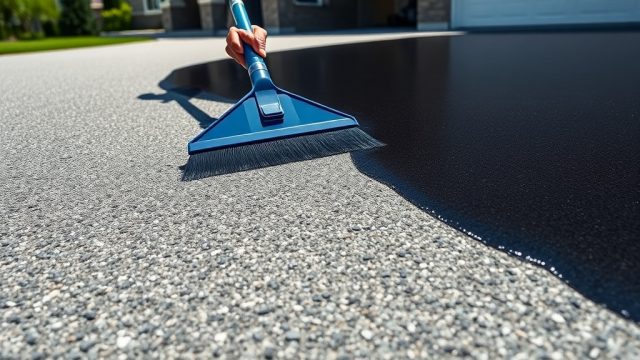
Applying AsphaltPavePro sealcoat is a critical step in protecting your asphalt investment, but its success hinges on two factors often overlooked: temperature and timing. In the UK, where weather can shift unpredictably, getting the application window wrong can lead to peeling, poor bonding, and wasted material. This article outlines best practices for optimal bonding, helping you avoid costly mistakes and extend the life of your driveway or car park.
Sealcoat acts as a protective barrier against UV rays, oil spills, and water damage. However, if applied outside the recommended conditions, even the best product will fail. For instance, applying AsphaltPavePro below 10°C prevents proper curing, while application above 35°C can cause rapid drying and cracking. Timing your project around seasonal weather patterns ensures the sealcoat bonds effectively with the existing surface.
What Is the Ideal Application Temperature for AsphaltPavePro Sealcoat?
The optimal ambient and surface temperature for applying AsphaltPavePro sealcoat is between 15°C and 30°C. This range allows the emulsified bitumen in the sealcoat to form a strong, flexible film. Below 10°C, the curing process slows dramatically, increasing the risk of washout from rain or dew. Above 35°C, water evaporates too quickly, leaving thick, brittle layers that crack under traffic.
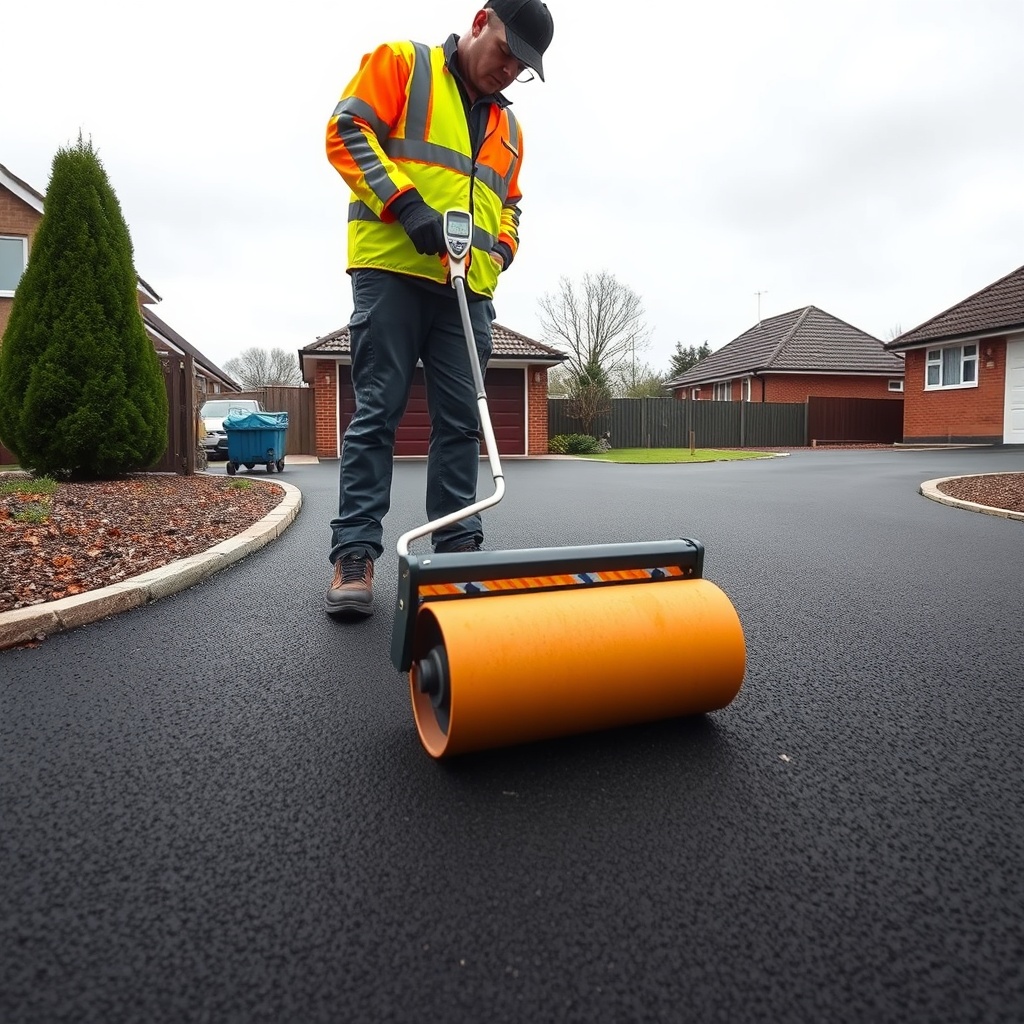
Surface temperature, measured on the pavement with an infrared thermometer, should not exceed 38°C. In summer, black asphalt can absorb heat and reach 50°C even on a 25°C day. Always check the surface temperature, not just the air temperature, to ensure proper bonding.
How Long Should You Wait Between Coats of AsphaltPavePro Sealcoat?
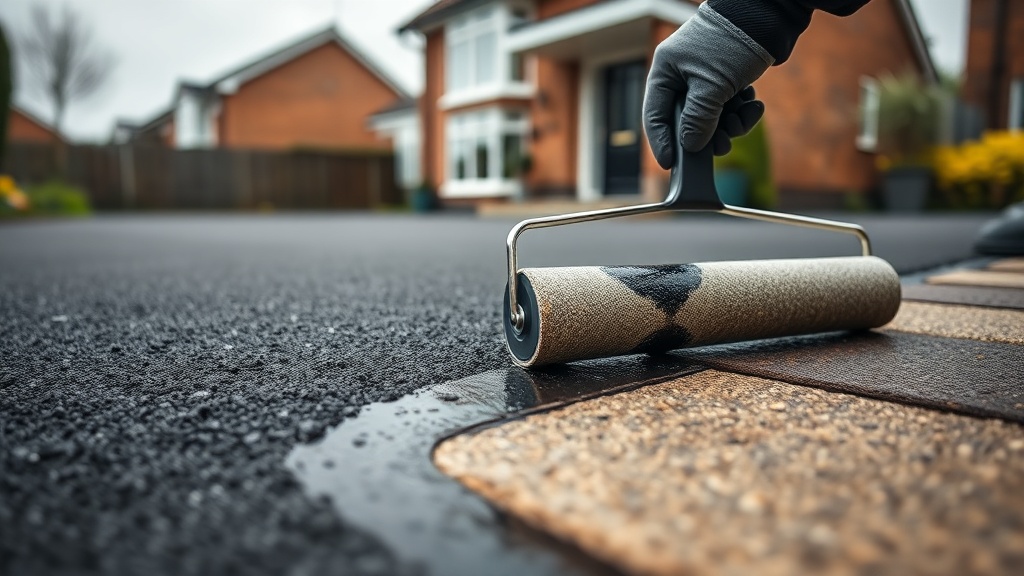
Timing between coats is crucial for achieving a uniform, durable finish. For AsphaltPavePro sealcoat, the recommended waiting period is 4 to 6 hours, depending on humidity and temperature. In dry, warm conditions (20-25°C), the first coat may be tack-free in 2-3 hours, but you should wait the full 4 hours to ensure the underlying layer has cured enough to support the second coat without lifting.
If humidity exceeds 60%, extend the wait time to 6-8 hours. Never apply a second coat over a layer that feels tacky or wet. A simple test: press a piece of paper gently onto the surface—if it sticks, wait longer. Rushing this step can trap moisture and cause blistering.
For areas exposed to heavy traffic, such as commercial car parks, consider a third coat after 24 hours, but only if the first two coats have cured completely. Overcoating too soon creates weak interlayer bonds.
What Happens If You Apply AsphaltPavePro Sealcoat in Cold or Rainy Weather?
Applying AsphaltPavePro sealcoat below 10°C or during rain leads to poor adhesion. The sealcoat emulsion requires heat to coalesce; cold temperatures prevent the bitumen particles from fusing into a continuous film. This results in a powdery finish that easily flakes off. Rain within 12 to 24 hours of application can wash away uncured sealcoat, leaving patches of bare asphalt.
In the UK, aim for a 48-hour window of dry weather after application. Check the Met Office forecast for prolonged dry spells, especially from April to September. Avoid mornings with heavy dew; wait until the sun has dried the surface completely. If frost is expected overnight, delay the project—freezing can crack the sealcoat entirely.
Table: Severity of Application Issues Based on Temperature and Weather
| Condition | Temperature Range | Humidity/Weather | Severity | Likely Outcome |
|---|---|---|---|---|
| Ideal | 15°C to 30°C | <60% humidity, dry | Low | Strong bond, smooth finish, lasts 3-5 years |
| Marginal | 10°C to 15°C or 30°C to 35°C | 60-80% humidity, overcast | Medium | Delayed cure, risk of washout, reduced flexibility |
| Poor | Below 10°C or above 35°C | Rain, fog, frost, high UV | High | Powdery coating, cracking, peeling within 6 months |
| Unsafe | Below 5°C or above 40°C | Active rain, snow, ice | Critical | Complete bond failure, material waste, reapplication needed |
How Does Surface Preparation Affect AsphaltPavePro Sealcoat Bonding?
Even with perfect temperature and timing, surface preparation dictates bond quality. AsphaltPavePro sealcoat requires a clean, dry, and porous surface. Sweep away all debris, dirt, and loose aggregate. For best results, use a power washer with a wide fan nozzle to remove embedded oil stains—these can cause fisheyes and adhesion failures. If oil stains persist, treat them with a degreaser and rinse thoroughly.
Patch cracks and potholes before sealcoating. For deep cracks, use a cold-applied crack filler compatible with sealcoat. Fresh asphalt patches must cure for at least 30 days before sealcoating. Read our guide on AsphaltPavePro vs. Sakrete Blacktop: Sealcoat Binding on Fresh Patches for detailed recommendations on patch timing.
After cleaning, test the surface absorbency by sprinkling water. If it beads up, wait for a hotter day—sealcoat will not penetrate. If the water soaks in within 10 seconds, the surface is ready. Etching with a mild acid solution is rarely needed but can help on extremely smooth surfaces.
What Time of Day Is Best for AsphaltPavePro Sealcoat Application?
The best time of day is between 10:00 AM and 2:00 PM during spring and autumn, or 9:00 AM to 11:00 AM in summer. This window ensures the surface temperature is above 15°C and that ample drying time remains before evening dew forms. Apply sealcoat in shade or light overcast—direct midday sun can cause rapid skinning, leading to incomplete curing underneath.
Wind speed also impacts application. Winds above 15 mph accelerate evaporation and can blow sealcoat onto adjacent surfaces. Choose calm days for uniform coverage. If applying in a commercial setting with high traffic, schedule the job to finish by 4:00 PM to allow at least 6 hours of curing before nightfall.
Consider how temperature interacts with other paving tasks. For instance, when AsphaltPavePro Mix Temperature: Ambient vs. Application Best Practices for Long-Lasting Repairs is applied, the same seasonal timing principles apply to avoid cold-weather failure.
What Owners Say About AsphaltPavePro Sealcoat Results
Homeowners and contractors across the UK report consistent satisfaction with AsphaltPavePro sealcoat when applied correctly. Many note that following temperature guidelines eliminates issues like peeling after winter frost. One driveway owner from Manchester commented, “I applied at 18°C in May, waited 5 hours between coats, and it’s been two years without a single crack.”
Commercial users appreciate the water-based formula’s low odour and ease of cleanup. A car park manager in Glasgow shared, “We used AsphaltPavePro on a 500m² area. The bonding was excellent even with light foot traffic the next day. We saved £1,500 compared to other contractors because we did it ourselves with the right timing.”
Common feedback highlights the importance of not skipping the second coat, especially on older asphalt. For those considering alternatives, comparing AsphaltPavePro Sealcoat vs. Acrylic Sealer: Weather Resistance Compared shows that sealcoat offers superior bonding in damp climates. Similarly, reviews note that AsphaltPavePro Sealcoat vs. Latex-ite Sealer: Which Provides Better Protection? reveals better durability on textured surfaces.
Some owners mention that curing time is longer in coastal areas due to salt air, but this is mitigated by applying during a dry spell. Overall, the consensus is that AsphaltPavePro delivers value when the user respects the product’s thermal limits.
Frequently Asked Questions About AsphaltPavePro Sealcoat Application Temperature and Timing
Q: Can I apply AsphaltPavePro sealcoat at 8°C if I use a heater?
A: No—heating the air does not compensate for cold pavement. The surface must be at least 10°C for proper curing. Using a heater creates a false sense of readiness and leads to delamination within months.
Q: How long does AsphaltPavePro sealcoat take to dry completely?
A: At 20°C and <60% humidity, the sealcoat is dry to the touch in 2-4 hours. Full cure (vehicle-ready) takes 24-48 hours. Avoid driving or parking on it for at least 48 hours in cool conditions.
Q: Does AsphaltPavePro sealcoat bond with fresh concrete or stamp overlays?
A: Sealcoat is formulated for asphalt only. For decorative surfaces like concrete, refer to AsphaltPavePro Stamp Concrete Overlay: Decorative Paving for Driveways and Patios for appropriate products. Sealcoat will not bond with concrete.
Q: What is the shelf life of unopened AsphaltPavePro sealcoat?
A: Unopened, store in a cool, dry place at 5-30°C for up to 18 months. Do not freeze—frozen emulsion is irreversibly damaged. Opened containers should be used within 6 months.
Q: Can I apply AsphaltPavePro to a previously sealed surface?
A: Yes, but only if the old sealcoat is sound and not peeling or alligatored. Power wash and test a small area. If the old coating crumbles, remove it completely. For cost considerations, see AsphaltPavePro vs. Sakrete Blacktop: Cost Analysis for Large Patching Projects for removal budgeting.
Q: Why is my AsphaltPavePro sealcoat tacky after 12 hours?
A: This indicates high humidity (>70%), low temperature, or excessive thickness. Ensure each coat is no more than 1-2 mm thick. If tackiness persists, improve drainage or increase air circulation with fans. In rare cases, reapplication after removal may be required.