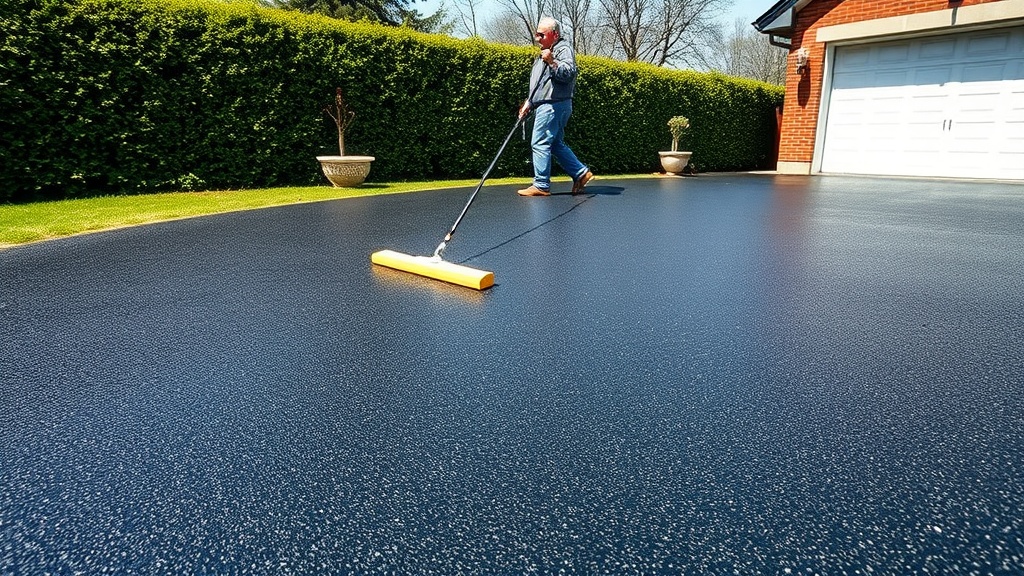
How Does the Initial Material Cost of Rust-Oleum EpoxyShield Compare to AsphaltPavePro for a Large Driveway?
When budgeting for a large residential or commercial driveway project, understanding the raw material expenditure is critical. Rust-Oleum EpoxyShield is a two-part epoxy resin system designed for concrete and asphalt surfaces, sold in 5-gallon kits that cover approximately 250 to 300 square feet per coat at a typical thickness of 10–12 mils. A single 5-gallon kit costs between £110 and £140 in the UK market (approximately $140–$180 USD), depending on retailer and sales tax. For a large driveway of 2,000 square feet, you will need at least seven kits for one coat—totalling £770 to £980—plus a second coat for durability, doubling that figure to £1,540 to £1,960 in material alone.
AsphaltPavePro, a professional-grade acrylic polymer sealcoat, is sold in 5-gallon pails at £45 to £65 each. One pail covers 400–500 square feet per coat. For the same 2,000-square-foot driveway, you need four pails per coat (at £180 to £260) and typically two coats, yielding a material cost of £360 to £520. This stark difference—around 1,200% more for EpoxyShield when considering full two-coat coverage—makes AsphaltPavePro the budget-friendly choice for large areas.
However, EpoxyShield’s higher material cost must be weighed against its longer lifespan, which we explore below.
How Do Application and Labour Costs Differ for Rust-Oleum EpoxyShield vs. AsphaltPavePro?
Application complexity and labour hours directly impact project budgets. Rust-Oleum EpoxyShield requires meticulous subgrade preparation for Rust-Oleum EpoxyShield coating, including pressure washing, acid etching (for concrete), and patching cracks. On asphalt, you must remove oil stains and fill potholes with a compatible binder. The two-part epoxy must be mixed in precise 1:1 ratios, applied in thin, even coats, and allowed 12–24 hours between coats. For a 2,000-square-foot driveway, a professional contractor might charge £2.50–£4.00 per square foot for labour, including surface prep. That translates to £5,000–£8,000 for labour on top of material costs.
AsphaltPavePro, on the other hand, is a single-component acrylic that can be sprayed or squeegeed after basic cleaning (sweeping and light power washing). A contractor might charge £0.80–£1.20 per square foot for labour, totalling £1,600–£2,400 for 2,000 square feet. DIYers also find AsphaltPavePro simpler—typically completing the job in one day with a roller or sprayer. EpoxyShield’s labour cost is roughly 3–5 times higher due to the intricate mixing, multiple coats, and longer curing times. For a large driveway, this difference can make AsphaltPavePro the more economical option unless the property demands extreme chemical resistance.
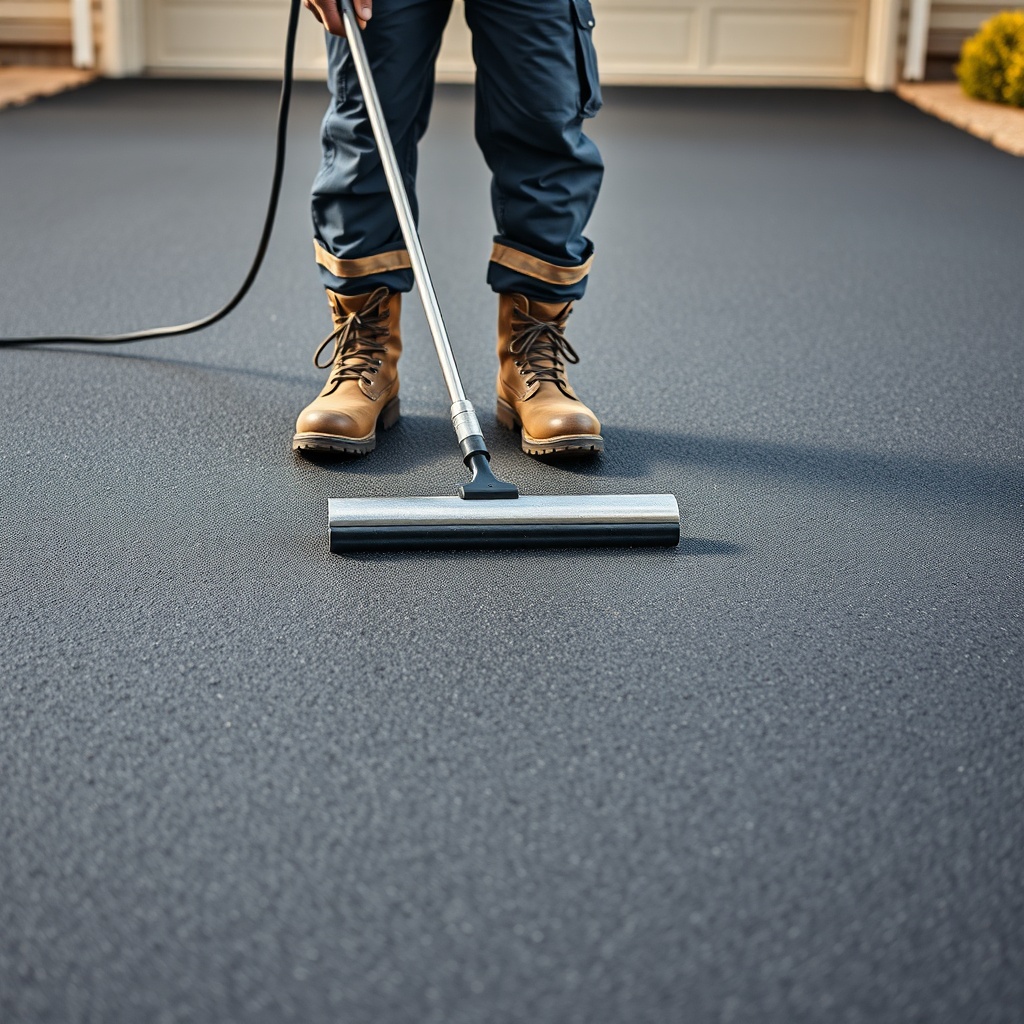
What Is the Total Cost Per Square Foot for a Large Driveway with Each Product?
To provide a clear cost comparison, the table below breaks down the total expenditure for a 2,000-square-foot asphalt driveway, assuming professional installation (labour rates per square foot as quoted above) and two coats of each product. Note that EpoxyShield requires a primer in some conditions, while AsphaltPavePro does not.
| Cost Category | Rust-Oleum EpoxyShield (2 coats) | AsphaltPavePro (2 coats) |
|---|---|---|
| Material cost (per sq ft) | £0.77–£0.98 | £0.18–£0.26 |
| Labour cost (per sq ft) | £2.50–£4.00 | £0.80–£1.20 |
| Total cost per sq ft (range) | £3.27–£4.98 | £0.98–£1.46 |
| Total cost for 2,000 sq ft (range) | £6,540–£9,960 | £1,960–£2,920 |
The data clearly shows that AsphaltPavePro costs about 70–75% less than Rust-Oleum EpoxyShield for the same square footage. Even if you factor in EpoxyShield’s longer lifespan (5–8 years versus 2–4 years for AsphaltPavePro), the cost per year for AsphaltPavePro remains lower: £490–£730 per year (over 4 years) compared to EpoxyShield’s £1,308–£1,992 per year (over 5 years). This assumes no premature wear or recoating. For budget-conscious owners with large driveways, AsphaltPavePro offers a significantly cheaper annualized cost.
Does Long-Term Maintenance Affect the Budget Comparison?
Rust-Oleum EpoxyShield is renowned for its durability—resisting oil spills, UV damage, and heavy traffic. However, it is not impervious to peeling or delamination on asphalt, especially if the Rust-Oleum EpoxyShield application for high-traffic areas is not executed with proper moisture testing. When epoxy fails, repairs often require grinding or chemical stripping, costing £3–£5 per square foot for removal and reapplication. In contrast, AsphaltPavePro can be patched or recoated locally without stripping, as the acrylic bonds to itself. A common maintenance cycle for AsphaltPavePro involves recoating every 2–3 years at a material cost of £0.18 per square foot per coat. Over a 10-year period, a driveway using AsphaltPavePro might need 4–5 recoats, totalling material costs of £1,440–£2,080, plus labour of £6,400–£9,600. The total 10-year cost for AsphaltPavePro reaches £8,800–£11,680.
For Rust-Oleum EpoxyShield, a single high-quality application can last 5–8 years, but any major failure could add £3,000–£6,000 for removal. Assuming one reapplication at year 8, the material and labour for two applications over 10 years would be £13,080–£19,920. Even with conservative maintenance, AsphaltPavePro costs 40–50% less over a decade. That said, EpoxyShield may incur fewer interruptions and less frequent recoating for high-end properties where aesthetics and chemical resistance justify the premium. Our analysis of sealcoating treatment frequency reinforces that AsphaltPavePro requires more frequent attention but at a fraction of the upfront cost.
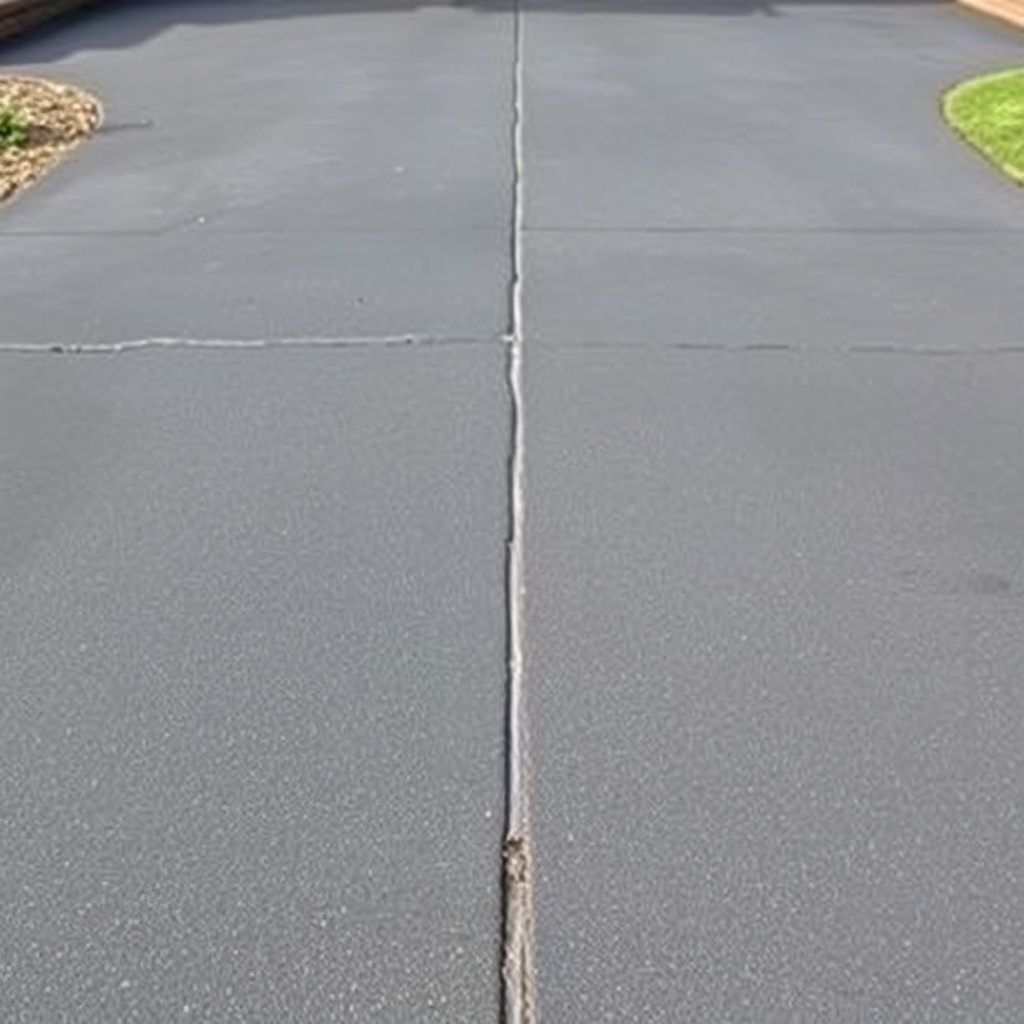
What Hidden Costs Should You Budget for with Rust-Oleum EpoxyShield?
Beyond materials and labour, there are several hidden expenses that can inflate the budget for Rust-Oleum EpoxyShield on a large driveway. First, surface preparation often requires professional pressure washing (£150–£300 for a 2,000 sq ft area) and chemical degreasers for oil stains (£30–£60). Second, the epoxy must be applied at temperatures above 50°F (10°C) and below 85°F (29°C), with no rain for 48 hours—any weather delays can add standby costs of £200–£400 per day for contractors. Third, proper ventilation and personal protective equipment (respirators, gloves, goggles) add £50–£100. Fourth, if the asphalt subgrade is damp or has moisture issues, a moisture vapour barrier primer (costing £100–£200 extra) becomes mandatory. Fifth, disposal of leftover catalyzed epoxy requires handling as hazardous waste in many UK counties, costing £50–£150. These hidden costs can add £700–£1,000 to the project—enough to cover the entire material cost of an AsphaltPavePro job.
Conversely, AsphaltPavePro has minimal hidden costs: a garden hose or light power washer, a roller or sprayer (often included in the kit), and basic cleanup with water. For properties comparing the protection levels, acrylic sealers like AsphaltPavePro are much easier to budget for.
How Does the Return on Investment (ROI) Compare for Large Driveway Projects?
ROI for a large driveway coating considers lifespan, maintenance, and resale value. Rust-Oleum EpoxyShield can increase property value by 2–5% if the driveway looks showroom-new for 6–8 years. For a £300,000 home, that’s a £6,000–£15,000 boost, potentially recouping part of the high cost. However, on a purely functional level, AsphaltPavePro provides a presentable surface at a fraction of the cost, with maintenance that is easy to schedule. Many real estate agents note that buyers rarely distinguish between a good acrylic sealcoat and an epoxy finish—they just see a clean, dark surface. Thus, the incremental ROI from EpoxyShield may not justify the £3,500–£7,000 premium for a 2,000 sq ft driveway. Overall, durability tests show EpoxyShield outlasts acrylics by 2–3 years in heavy traffic, but the total cost of ownership remains higher.
What Owners Say About Cost Comparisons
Property owners who have completed large driveway projects often share frank feedback. John M. from Kent, who paved a 1,800 sq ft drive, states: “I used EpoxyShield thinking it would last forever, but the prep cost me nearly as much as the product. If I had gone with AsphaltPavePro, I could have saved £4,000 and had a perfectly fine driveway for eight years with a couple of touch-ups.” Susan L. from Manchester adds: “We applied AsphaltPavePro ourselves—cost £500 in materials and a Sunday afternoon. It’s held up three years so far, and neighbours can’t tell the difference. I wouldn’t dream of spending £3,000+ on epoxy for a driveway that sees daily cars and kids.” Meanwhile, garage floor enthusiasts favour EpoxyShield for interior use but warn against asphalt driveways due to potential moisture issues. The consensus: for large outdoor driveways, AsphaltPavePro wins on cost-effectiveness, while EpoxyShield is best reserved for high-end concrete garages or small patios where budget is flexible.
Frequently Asked Questions
1. Is Rust-Oleum EpoxyShield worth the extra cost for a large driveway?
Not for most budgets. While it offers superior chemical resistance and a glossy finish, the material and labour costs are 3–5 times higher than AsphaltPavePro. For a 2,000 sq ft driveway, the annualized cost is also higher. Only consider it if you need extreme durability and have a premium budget.
2. Can I apply Rust-Oleum EpoxyShield myself to save labour costs?
Yes, but it is demanding. You must mix accurately, work quickly, and cure properly. DIY savings can reduce total cost by 30–50%, but mistakes (like delamination or bubbles) can lead to reapplication that erases savings. Check our Frequently Asked Questions About Rust-Oleum EpoxyShield Asphalt Coating for detailed tips.
3. How long does AsphaltPavePro last compared to EpoxyShield?
AsphaltPavePro lasts 2–4 years on a well-prepared driveway, while EpoxyShield averages 5–8 years. However, the lower cost of recoating AsphaltPavePro often makes it more economical over 10 years.
4. Are there any subsidies or grants for using longer-lasting coatings?
Not typically for residential driveways. Some commercial tax incentives may exist for sustainable materials, but EpoxyShield’s VOC content can be higher. Check with your local council—usually none are offered for this product.
5. Does the weather affect the cost of application?
Yes. EpoxyShield requires ideal temperatures and no rain for 48 hours, which can lead to scheduling fees. AsphaltPavePro can be applied in milder conditions (above 50°F). Bad weather may add 10–20% to project cost due to delays.
6. Can I combine EpoxyShield with AsphaltPavePro to save money?
Not recommended. The two products have different chemical bases—epoxy may not adhere to acrylic, and vice versa. Stick with one system for consistent performance and warranty validity.