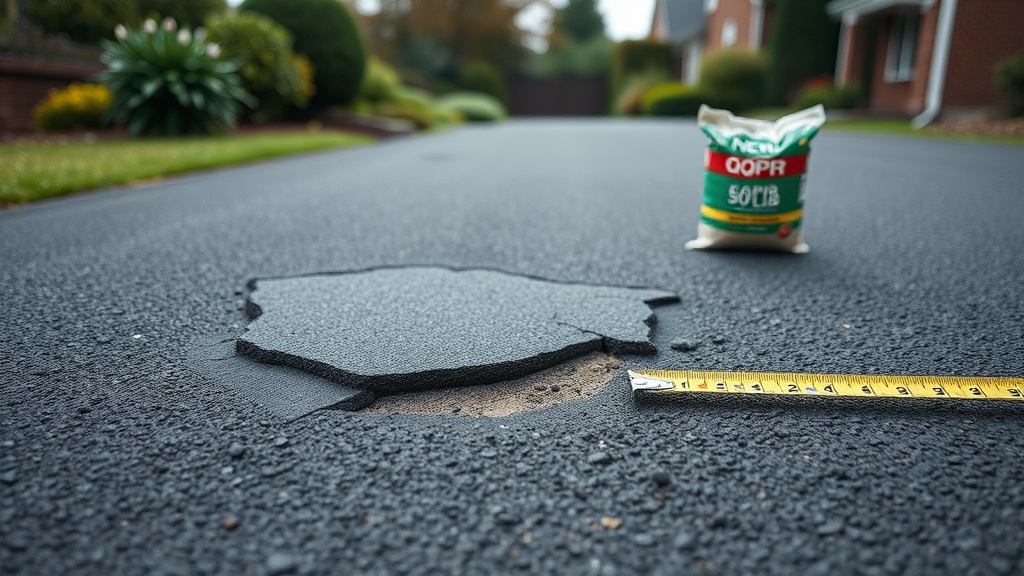
QPR Patch Applied Too Thin: Root Cause and Solution
When repairing potholes or utility cuts with QPR 50-lb asphalt patch, one of the most common mistakes is applying the patch material too thinly. A thin patch often fails within weeks, leading to raveling, cracking, and eventual pavement failure. Understanding the root causes and implementing proper application techniques is critical to achieving long-lasting repairs on driveways, parking lots, and municipal roads.
This article explains why thickness matters, how to identify a thin patch before it fails, and the correct approach to applying QPR 50-lb patch for durable results. For a broader overview, see Using QPR 50-lb Patch for Pothole Repair: A Complete Guide.
Why Does QPR Patch Thickness Matter for Durability?
Asphalt patch materials like QPR 50-lb patch rely on a minimum compacted thickness to form a stable, interlocking aggregate matrix. When applied too thinly—typically less than 1 inch after compaction—the binder cannot fully coat the aggregate particles, and the patch lacks structural integrity. Traffic loads concentrate stress at the edges, causing the patch to crack, ravel, or peel away. In contrast, a properly thick patch (2–4 inches for most repairs) redistributes load across the base and surrounding pavement, resisting fatigue and moisture intrusion.
A thin patch also cools faster during installation, reducing workability and preventing the binder from achieving proper adhesion. This is especially problematic in cold weather, when QPR patch should be applied at ambient temperatures above 50°F. For troubleshooting failures, refer to Why Does My QPR Patch Keep Falling Out? Troubleshooting Tips.
What Is the Correct Thickness for QPR 50-lb Asphalt Patch?
The recommended compacted thickness for QPR 50-lb asphalt patch depends on the application:
- Pothole repairs (residential driveways): 2–3 inches after compaction.
- Parking lot repairs (light to medium traffic): 3–4 inches after compaction.
- Utility cuts or deep depressions: 4–6 inches, placed in lifts of no more than 3 inches each.
- Skin patching or surface leveling: Minimum 1.5 inches after compaction—anything thinner should use a cold-mix or slurry seal instead.
Critical rule: Never apply QPR patch in a layer less than 1 inch after compaction. If the repair depth is shallower, widen the patch area or use a tack coat to bond thinner material to existing pavement. For wet conditions, see QPR 50-lb Asphalt Patch: Can You Apply It in Wet Conditions?.
What Are the Signs of a Thin QPR Patch Failure?
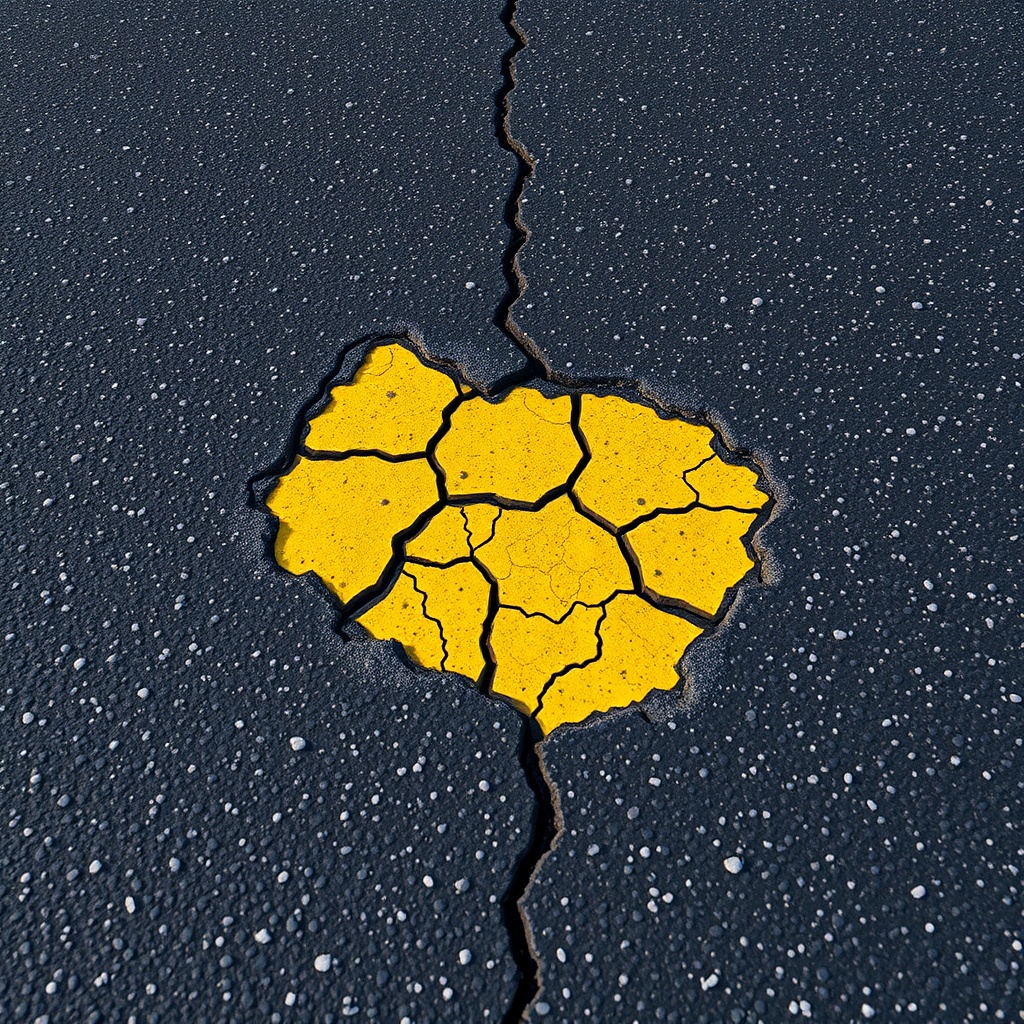
A thin QPR patch exhibits distinctive failure modes. Look for these warning signs within 2–4 weeks of application:
- Edge raveling: Aggregate particles loosen and fall away from the patch perimeter, creating a gap between patch and existing pavement.
- Alligator cracking: Fine, interconnected cracks resembling reptile skin, indicating insufficient structural support.
- Patch upheaval or depression: The thin layer flexes under traffic, pushing upward or sinking below the surrounding surface.
- Water ponding: A depressed patch collects rainwater, accelerating freeze-thaw damage.
- Complete delamination: The patch detaches from the base or edges, often within days of heavy rain or first freeze.
If you observe any of these, the patch must be removed and reapplied at proper thickness. Attempting to overlay a thin patch with more material rarely works because the failed layer lacks bond.
What Is the Proper Application Procedure to Avoid Thin Patches?
Correct installation prevents thin patches and ensures long-term performance. Follow these steps for QPR 50-lb patch:
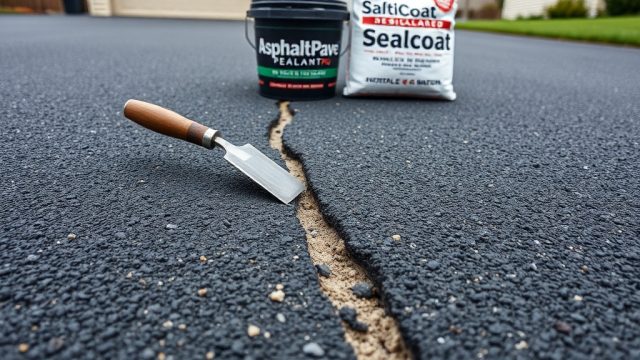
- Excavate and clean: Remove all debris, loose asphalt, and vegetation. Square the edges of the repair area with a chisel or saw cut to create straight vertical walls. The repair depth should be at least 2 inches deeper than the surrounding pavement for wheel-path repairs.
- Apply tack coat: Use a liquid asphalt emulsion (e.g., SS-1 or CSS-1) on the vertical walls and base of the repair. This bonds the fresh patch to existing pavement. For QPR patch, a tack coat is recommended but not always required—if omitted, ensure the patch thickness exceeds 2 inches for adhesion.
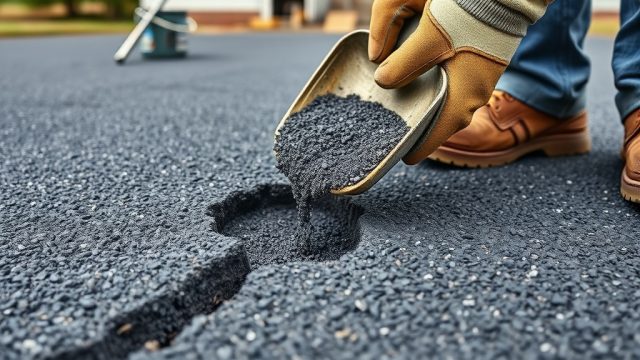
- Place QPR patch in lifts: For depths over 3 inches, pour and compact in 2-to-3-inch lifts. Overfilling by 1 inch is necessary because the material compacts by about 20%.
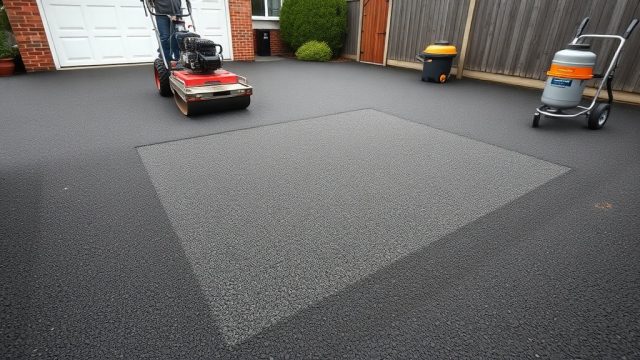
- Compact thoroughly: Use a plate compactor (minimum 3000 lb centrifugal force) for driveways, or a vibratory roller for larger repairs. Make 3–4 passes in overlapping rows. For narrow patches, a hand tamper can work but requires more effort—aim for 95% of maximum density by weight.
- Check final thickness: After compaction, measure the patch height relative to the surrounding pavement. It should be flush or slightly above (1/8 inch) to allow for further compaction from traffic.
Pro tip: Use a depth gauge or a straightedge to verify the patch thickness at multiple points before compaction. If the layer is too thin, add more material immediately.
How Does the Cost of Thin vs. Proper Patch Compare?
Applying QPR 50-lb patch incorrectly—especially too thinly—adds hidden costs due to premature failure. The table below compares a thin patch (1/2 inch compacted) versus a proper patch (3 inches compacted) for a standard repair area of 4 ft² (2 ft × 2 ft).
| Parameter | Thin Patch (1/2 in compacted) | Proper Patch (3 in compacted) |
|---|---|---|
| Material needed (50-lb bags) | 0.5 bag (25 lb) | 3 bags (150 lb) |
| Material cost (at £8.50 per bag) | £4.25 | £25.50 |
| Labor time | 15 minutes | 45 minutes |
| Expected lifespan | 2–6 weeks | 12–24 months |
| Cost per year of service | £36.79–£110.38 | £12.75–£25.50 |
| Reapplication frequency | Every 1–2 months | Every 12–24 months |
As shown, a thin patch costs more over time due to repeated repairs. For a commercial lot with multiple patches, the savings from proper thickness can exceed £200 annually.
What Are the Environmental and Safety Risks of a Thin Patch?
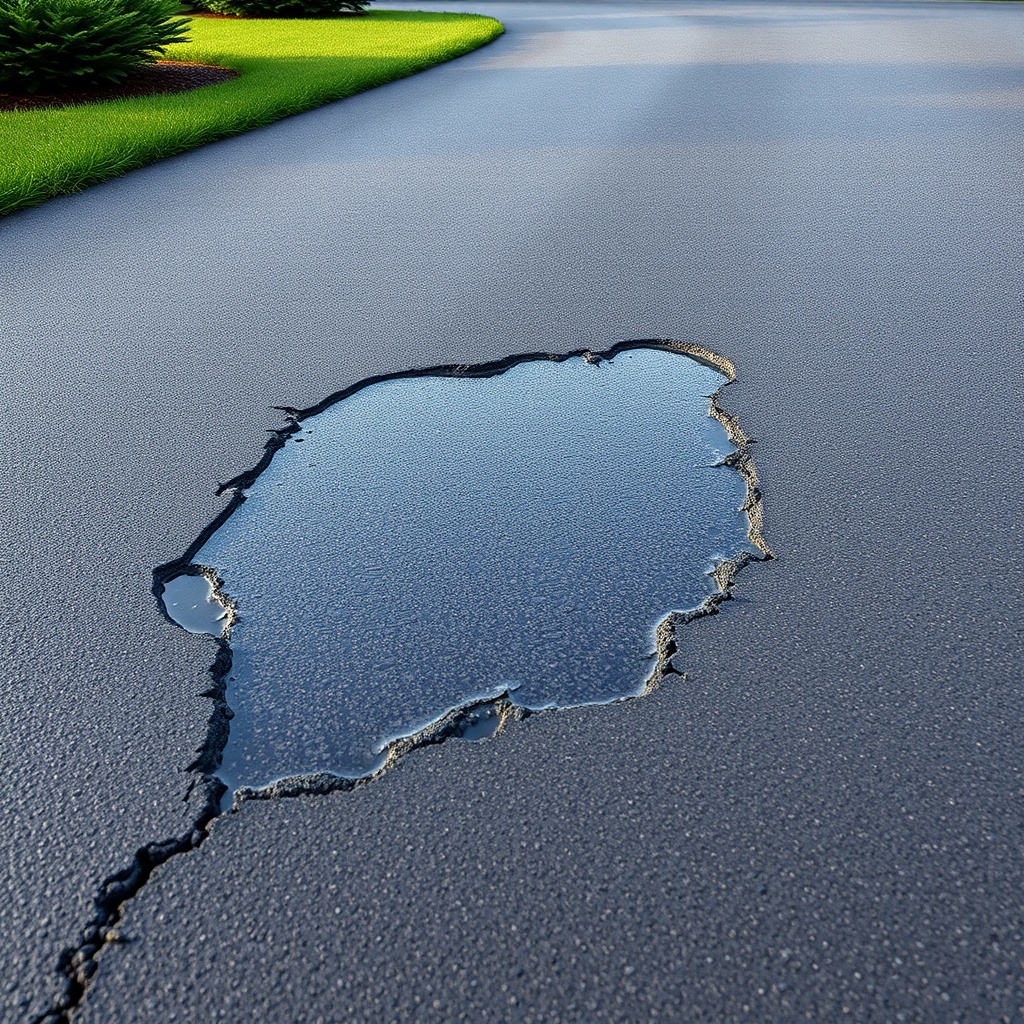
A thin QPR patch not only fails structurally but also creates safety and environmental issues:
- Tripping hazards: Depressed or upheaved patches create uneven pavement, especially in parking lots and sidewalks. This can cause falls, particularly for elderly pedestrians.
- Water infiltration: Cracks and raveled edges allow water to penetrate the base, leading to subgrade weakening and frost heave in winter. This can damage adjacent pavement and infrastructure.
- Sediment runoff: Loose aggregate from failing patches washes into storm drains and waterways, contributing to sedimentation and pollution.
- Vehicle damage: A thin patch that detaches under traffic can throw debris, causing damage to tires, windshields, or undercarriages.
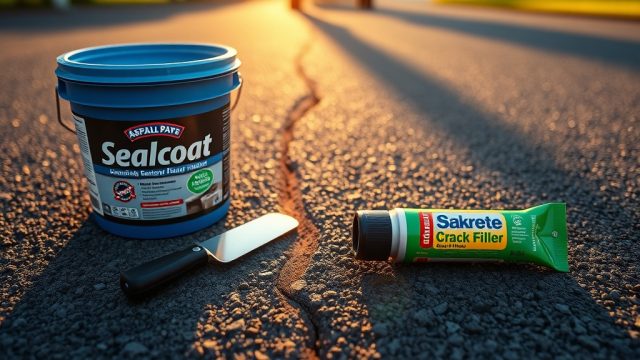
For sealing after successful patching, read QPR 50-lb Asphalt Patch: Sealing After Patching for Better Durability. For long-term surface protection, see Sealcoating After QPR Patch Repair: Extending the Life of Your Fix.
What Owners Say About QPR Patch Thickness
Property managers and DIY homeowners who have used QPR 50-lb patch consistently report that thickness is the single most important factor for success. Common feedback includes:
- “I skimped on material on my first repair and it fell out in a month. The second time I used three bags for the same hole—now it’s been two years solid.” – David, Cheltenham.
- “We applied a thin layer over a shallow depression on a council estate path. It lasted three weeks. Now we excavate to full depth and fill properly.” – Mark, Bristol maintenance crew.
- “I learned the hard way that you can’t just spread a bag over a driveway crack. QPR needs depth to bind. After following the manufacturer’s advice, the patches hold up to my car and motorcycle.” – Sarah, Leeds.
- “Thin patches look fine for a week, then they start raveling at the edges. For the price of an extra bag, you save rework costs. Our parking lot now uses 3 inches minimum.” – Tom, Swansea facilities manager.
The consensus is clear: invest in correct thickness from the start. For a direct comparison with hot mix asphalt, see QPR 50-lb Asphalt Patch vs. Hot Mix Asphalt: Which Is Right for You?.
Frequently Asked Questions
- Can I apply QPR 50-lb patch over a thin existing patch?
No. Overlaying a thin, failing patch rarely bonds properly. The old material must be removed, the area cleaned, and a new patch applied at correct thickness. - How thick should QPR patch be for a driveway pothole?
Minimum 2 inches after compaction. For deeper holes, fill in 2–3 inch lifts and compact each layer. - What happens if I apply QPR patch less than 1 inch thick?
The patch will likely ravel, crack, or detach within weeks due to insufficient structural support and binder distribution. - Can I compact QPR patch by hand?
Yes, for small patches, use a heavy hand tamper (at least 15 kg) with flat bottom. But a plate compactor yields better density and durability. - Does QPR patch require an overlay sealant to extend life?
While not mandatory, an asphalt-based sealcoat applied 30 days after patching can protect the patch from water and UV degradation. See our sealing guide. - How soon can I drive on a QPR patch applied at proper thickness?
After compaction, the patch cures in 24–48 hours at temperatures above 50°F. Light traffic (cars) can drive immediately; heavy trucks should wait 48 hours.