Why Compare Sealcoat and QPR 50-lb Asphalt Patch for Deep Cracks?
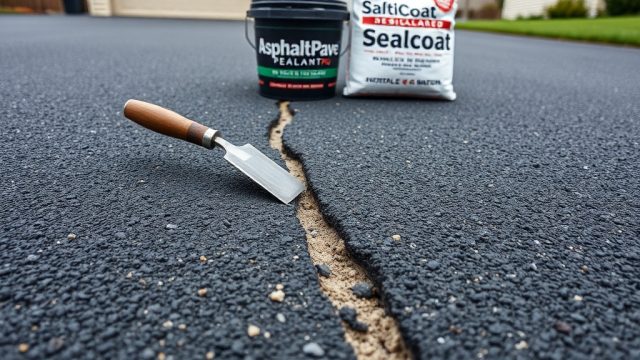
When a driveway or parking lot develops deep cracks—those that exceed ¼ inch in width and plunge several inches into the substrate—property owners often face a choice between filling with a liquid sealcoat or using a solid patching compound like the QPR 50-lb Asphalt Patch. While sealcoat is excellent for surface-level wear and hairline fractures, it fails in deep voids where it cannot develop structural support. The QPR 50-lb Asphalt Patch, a cold-applied, polymer-modified aggregate mix, is engineered to fill such cavities completely, bonding to the surrounding asphalt and providing immediate traffic-ready durability. This article compares the two approaches specifically for deep-crack scenarios, helping readers determine the right method based on crack severity, budget, and long-term performance goals.
What Makes QPR 50-lb Asphalt Patch Suitable for Deep Cracks?
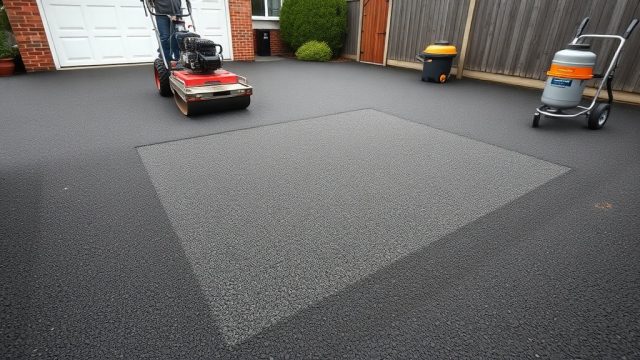
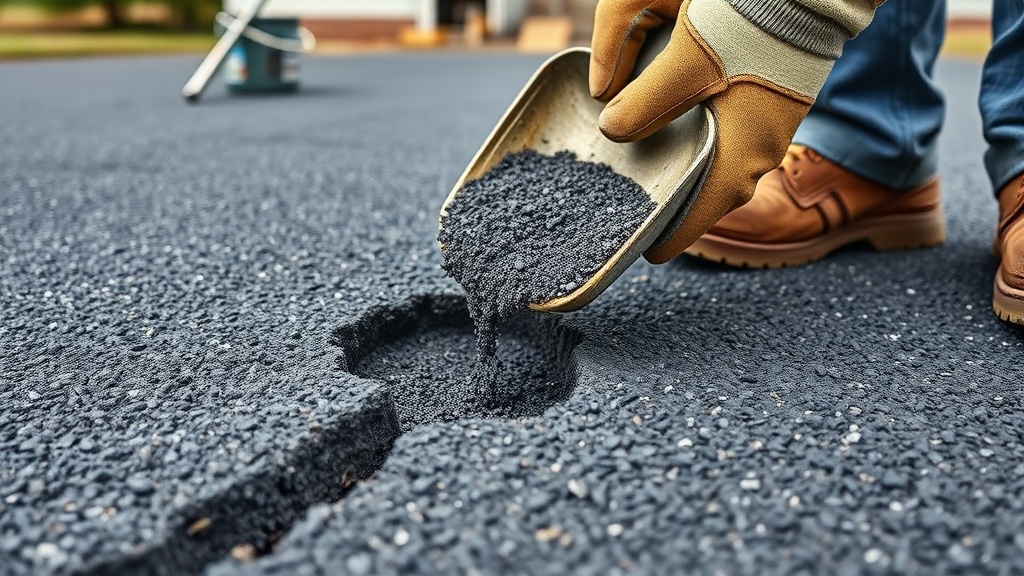
The QPR 50-lb Asphalt Patch is a ready-to-use, cold-applied patching material that combines graded aggregate, asphalt binder, and polymer modifiers. Unlike liquid sealcoat, which is a thin, water-based emulsion meant for surface sealing, the QPR patch has a high solids content (over 95%) and a compactible consistency. For deep cracks—typically those wider than 0.5 inches and deeper than 1 inch—a contractor can shovel the material directly into the crack, tamp it firmly, and achieve a dense, load-bearing repair. The polymer modification provides flexibility, reducing the risk of re-cracking from thermal expansion or traffic stress. In practice, this material can be applied in layers if the crack depth exceeds 2 inches, with each layer compacted to avoid settling. Compared to sealcoat, which would simply seep into the crack and dry as a thin film, the QPR patch offers true structural patching.
How Does Crack Severity Dictate Which Product to Use?
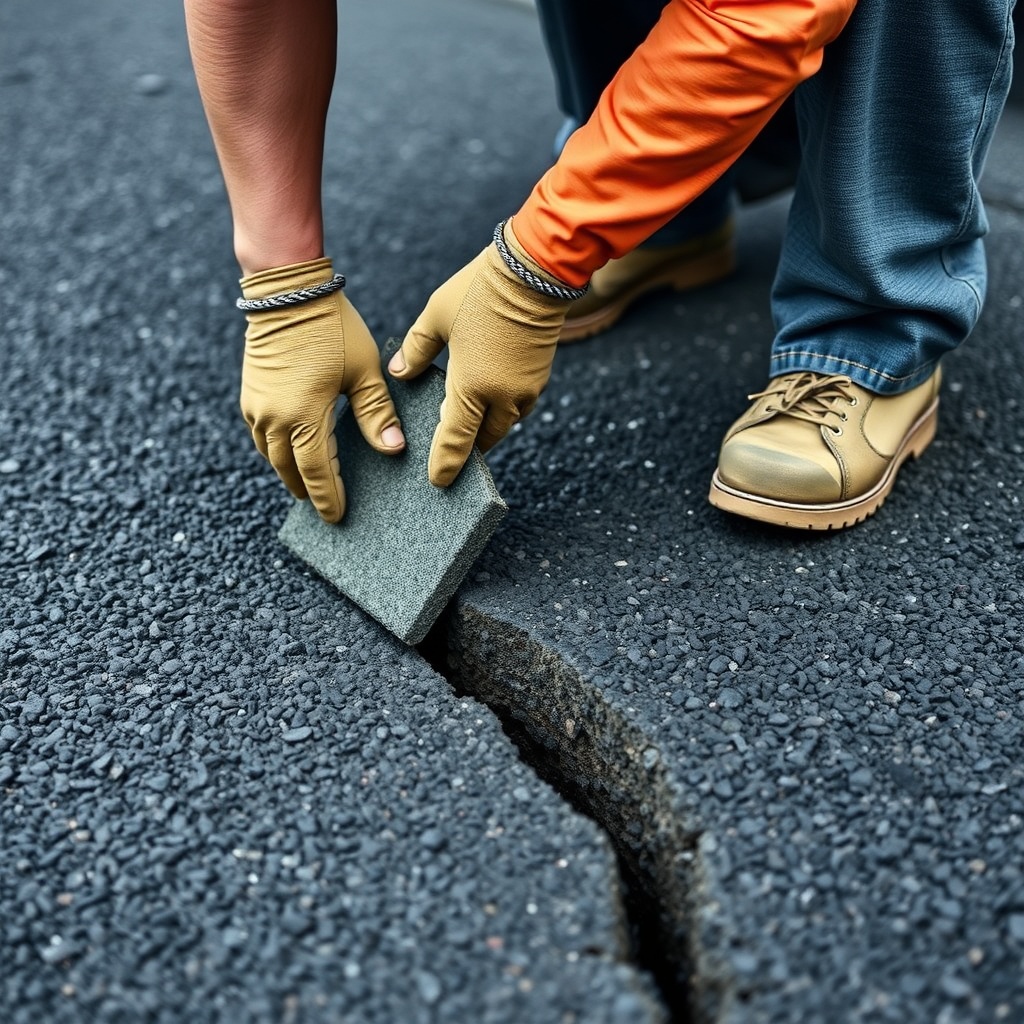
Not all cracks respond well to the same treatment. A common mistake is using sealcoat as a cure-all, but deep or wide cracks require a different approach. The table below outlines severity levels and recommended actions:
| Crack Type | Width | Depth | Recommended Product | Application Method |
|---|---|---|---|---|
| Hairline | <1/8 inch | Surface only | Asphalt sealcoat or crack filler | Brush or pour, let cure |
| Shallow fissure | 1/8–1/4 inch | <1/2 inch | Standard cold patch or sealcoat with filler | Pour or trowel, compress lightly |
| Deep crack | 1/4–1 inch | 1–3 inches | QPR 50-lb Asphalt Patch | Shovel, tamp in layers, finish flush |
| Structural void | >1 inch | >3 inches | QPR 50-lb Asphalt Patch plus base repair | Excavate, compact base, patch in lifts |
For deep cracks, sealcoat alone will not cut it. The QPR patch provides the necessary mass to resist wheel loads and prevent water infiltration. If you are working in conditions where the patch might be applied too thinly, the material can lose its structural integrity, so always ensure a minimum 1-inch depth of patch in the crack.
Can You Use Sealcoat Over QPR 50-lb Asphalt Patch for Deep Cracks?
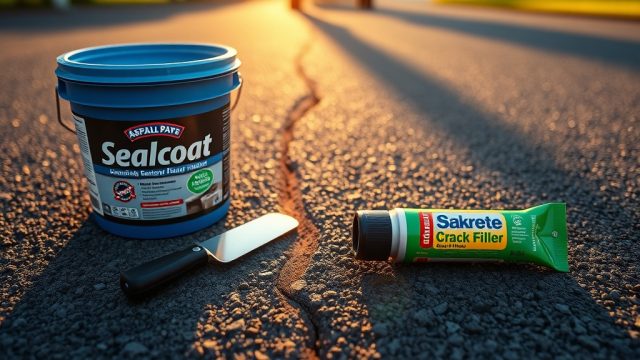
Yes, and it is often beneficial. After the QPR patch has fully cured (typically 24–48 hours, depending on temperature), applying a high-quality sealcoat can protect the surrounding asphalt and blend the repair into the surface. However, the sealcoat is not a substitute for the patching step. When applying sealcoat over the QPR patch, allow the patch to reach full cure time—cold weather can extend this to 72 hours or more. For more details, see our article on sealing after patching for better durability. The sealcoat will fill any minor surface porosity in the patch, reducing water penetration, but it will not compensate for inadequate compaction of the patching material.
What Are the Cost Differences Between the Two Approaches?
Cost is a significant factor for many property owners. A gallon of generic asphalt sealcoat costs around £15–35 per 4-litre bucket (covering roughly 10 square metres per litre), while a 50-lb bag of QPR patch typically ranges from £18–30 per bag in the UK market. For a single deep crack requiring 2–5 bags, the material cost is higher than sealcoat, but the repair longevity is greatly improved. A sealcoat-only crack fill might require annual reapplication, while a QPR patch can last 2–5 years before needing attention, especially if it is sealcoated after the patch repair to extend its life. The labour time also differs: applying QPR patch involves shovelling, tamping, and sometimes compacting with a hand tamper or plate compactor, which takes 30–60 minutes per crack. Sealcoat application is quicker but must be done in dry weather with proper surface prep. For deep cracks, the upfront investment in QPR pays off through reduced maintenance frequency.
What Owners Say About Using QPR Patch vs. Sealcoat for Deep Cracks
Property managers and DIY homeowners who have tackled deep cracks share recurring insights. Many report that after using sealcoat alone on deep cracks, the material sank within months, leaving a depression that collected water and worsened freeze-thaw damage. In contrast, those who switched to the QPR 50-lb Asphalt Patch noted immediate improvement in crack closure and traffic load tolerance. One commercial paving contractor in Lincolnshire mentioned that for cracks over 1 inch wide, “the QPR patch holds up where sealcoat just disappears.” However, owners caution that the QPR patch must be applied correctly, especially in cold weather. For advice on cold weather application tips, refer to our comparison guide. Another common tip is to avoid applying the patch on uneven surfaces without proper levelling, as detailed in our article on applying on uneven surfaces for a smooth finish.
Frequently Asked Questions
1. Can I use sealcoat alone to fill a deep crack in my driveway?
No. Sealcoat is not designed for deep voids. It will only coat the top layer and likely crack or sink again. The QPR 50-lb Asphalt Patch is needed for structural filling.
2. How many bags of QPR 50-lb patch do I need for a deep crack?
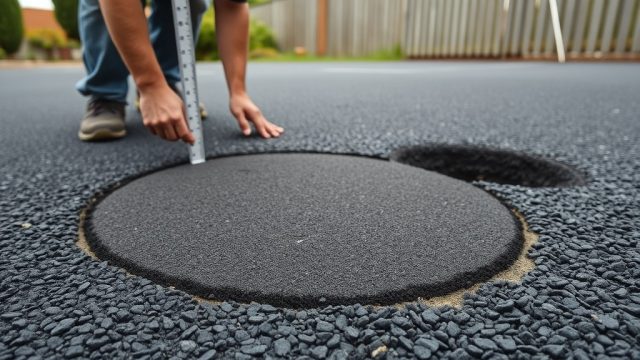
Estimate the volume in cubic feet (length × width × depth in feet). One 50-lb bag covers approximately 0.5 cubic feet when compacted. For a 2-foot-long, 0.5-inch-wide, 2-inch-deep crack, you need about 0.33 bags—so one bag is usually sufficient for most residential cracks.
3. How soon after applying QPR patch can I drive on it?
Typically, light traffic (pedestrians, bicycles) can use the patch after 1–2 hours in warm weather. For heavy vehicles, wait 24–48 hours for full cure. Check wet conditions guide for rain considerations.
4. What happens if I apply sealcoat over uncured QPR patch?
The sealcoat may not bond properly, and the patch might deform. Always allow full cure (24–72 hours, depending on temperature) before sealcoating.
5. Does the QPR patch work better than DIY cold patch for deep cracks?
Yes. The polymer modification in QPR provides superior adhesion and flexibility compared to standard cold patch, making it better suited to deep cracks subject to thermal movement.
6. Can I mix QPR patch with sealcoat to make it thicker for deep cracks?
No. They are chemically different. QPR is a bituminous aggregate mix, while sealcoat is a water-based emulsion. Mixing them ruins both products. Use them sequentially: patch first, then sealcoat.