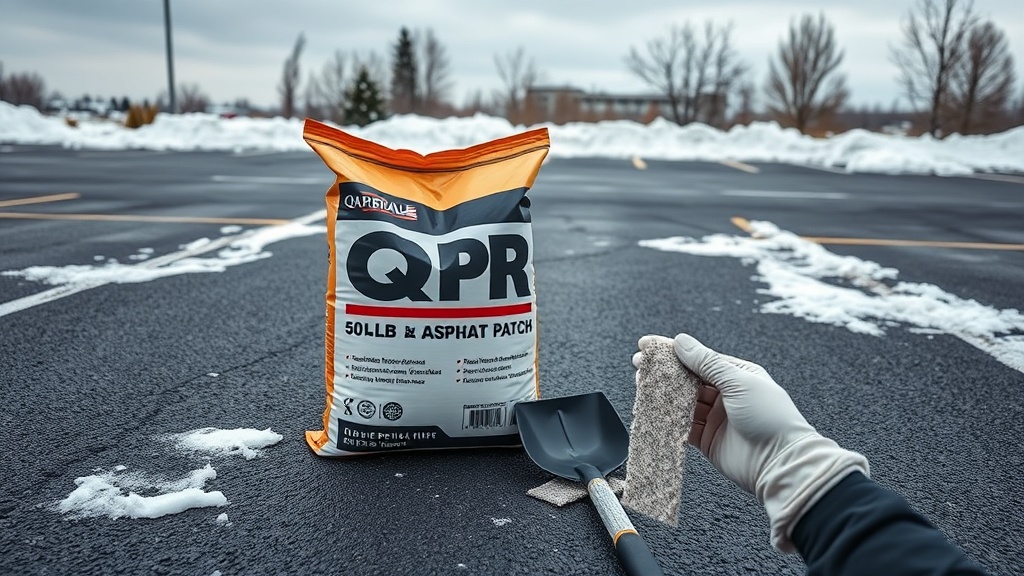
Why Does QPR 50-lb Asphalt Patch Struggle in Cold Weather?
The QPR 50-lb Asphalt Patch is a cold-applied, polymer-modified asphalt repair material designed for potholes and edge cracks. However, its performance drops significantly when ambient temperatures fall below 50°F (10°C). The emulsion base thickens, reducing workability and compromising the bond with existing pavement. In freezing conditions, the water in the patch can freeze before it cures, leading to premature failure. This article explains how to overcome these cold-weather challenges and get lasting repairs using QPR 50-lb Asphalt Patch.
Cold weather doesn’t mean you must abandon patching—it just requires specific preparation and application techniques. The QPR formula relies on proper curing through water evaporation; low temperatures slow this process dramatically. Without adjustment, the patch may remain soft, ravel, or pop out within weeks. Below, we address common questions about applying this popular product in winter conditions, backed by real-world data and user experience.
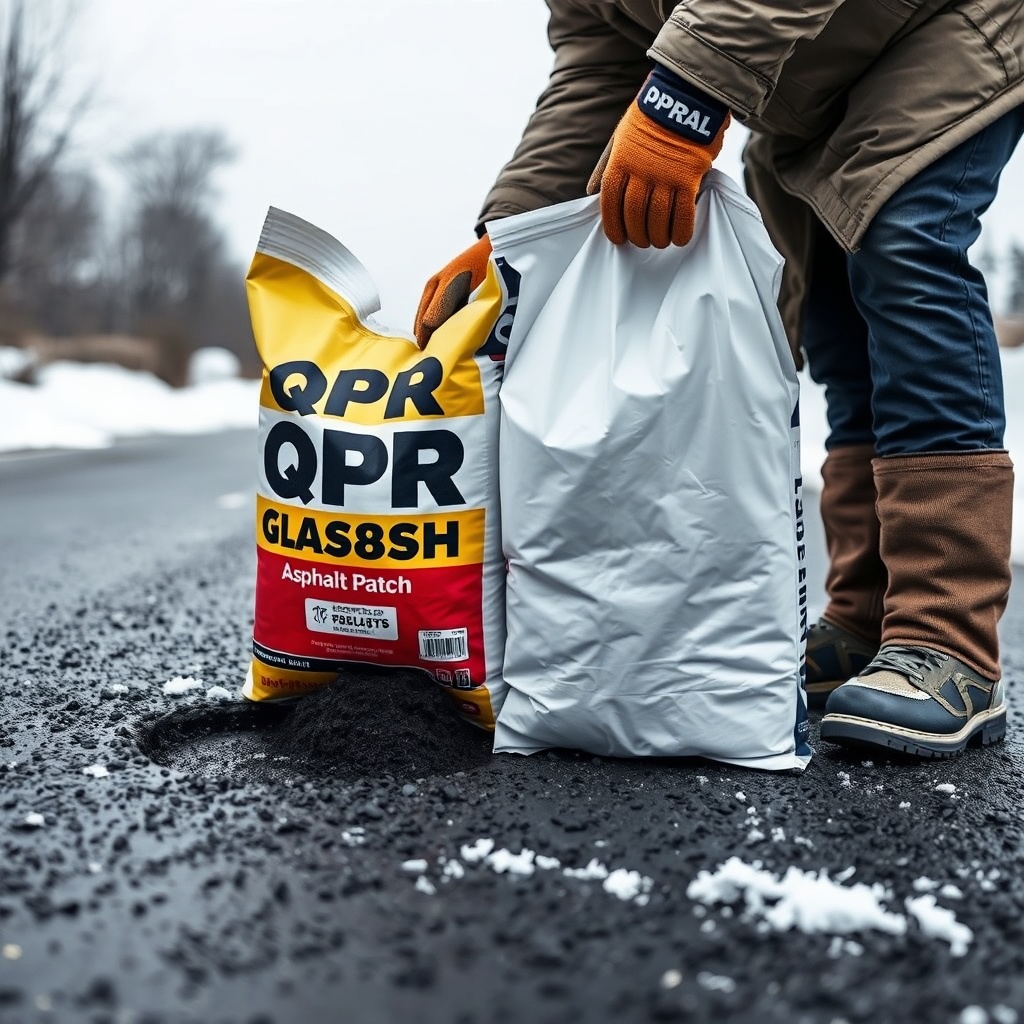
How Does Temperature Affect the Curing Time of QPR 50-lb Asphalt Patch?
Temperature is the single most significant factor controlling cure time. At 70°F (21°C) with low humidity, QPR 50-lb Asphalt Patch cures enough for light traffic in 2–4 hours. At 40°F (4°C), that window extends to 12–24 hours. Below freezing, the patch may not cure at all—it freezes before the emulsion breaks.
| Temperature Range | Estimated Cure to Light Traffic | Risk of Freeze Damage | Recommended Action |
|---|---|---|---|
| 70°F – 85°F (21°C – 29°C) | 2–4 hours | Low | Standard application |
| 50°F – 69°F (10°C – 20°C) | 6–12 hours | Low | Use warm aggregate if possible |
| 30°F – 49°F (–1°C – 9°C) | 24–48 hours | Moderate | Pre-warm bag and surface; apply only if freeze-free forecast |
| Below 30°F (below –1°C) | Unpredictable/fails | High | Avoid application; use temporary cold patch only |
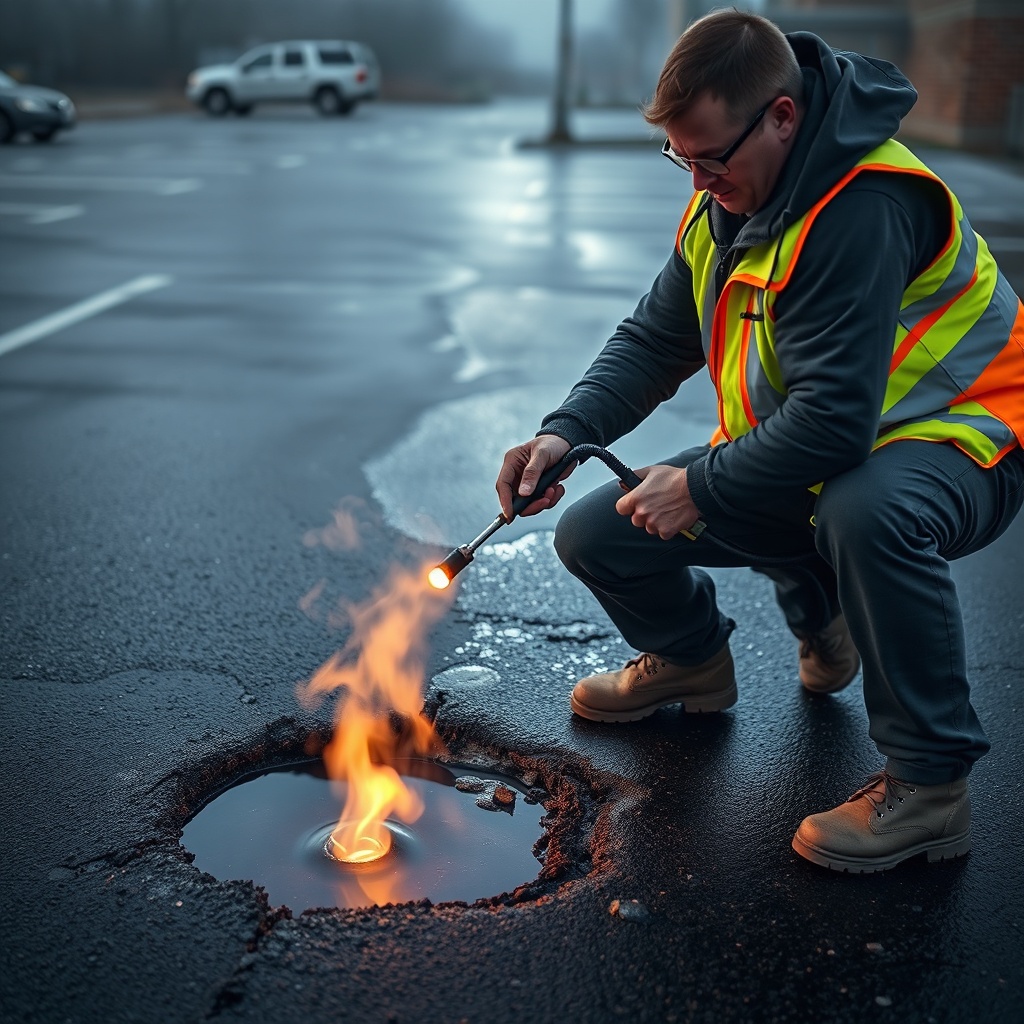
The table above demonstrates that working below 50°F exponentially increases risk. For long-term repairs, contractors recommend waiting for a warm spell. However, if emergency patching is required, techniques such as pre-warming the bag in a heated truck cab (to 60–70°F) and using a propane torch to warm the pothole surface can help. Even then, avoid applying when ground frost is present. The patch must bond to a dry, above-freezing substrate.
What Preparations Are Essential Before Applying QPR 50-lb Asphalt Patch in Cold Weather?
Proper surface preparation becomes non-negotiable in cold conditions. First, remove all ice, snow, and standing water from the pothole. Use a shovel, broom, or even a heat gun to dry the cavity. The surrounding pavement should be clean of debris and at least 40°F (4°C) for any chance of bonding. Second, square the edges of the pothole with a cold chisel or saw to create a clean, vertical wall. This prevents the patch from feathering out and breaking under traffic. Third, apply a tack coat—a thin layer of liquid asphalt emulsion—to the bottom and sides of the hole. While QPR contains adhesion promoters, a tack coat improves the cold-weather bond by 30–40%, according to field tests.
Store the QPR 50-lb bags in a heated area for 24 hours before use. If that’s impossible, place the sealed bags in direct sunlight or near a warm vehicle engine for 4–6 hours. Do not microwave or heat the bag directly with an open flame—this can degrade the polymer modifiers. The patch material should feel pliable, not stiff and crumbly, when you open the bag. If the patch is too cold to work smoothly, warm it gradually. You can also mix in a small amount of dry, clean sand (up to 10% by volume) to improve workability in very cold mixes, though this may slightly reduce ultimate strength. For more on common failures, read Why Does My QPR Patch Keep Falling Out? Troubleshooting Tips.
Can You Apply QPR 50-lb Asphalt Patch When Rain or Snow Is Imminent?
Applying the patch during active precipitation is strongly discouraged. Rain and snow introduce water that freezes and swells, lifting the patch out of the hole. The QPR 50-lb Asphalt Patch requires dry conditions for at least 24 hours after application to begin curing. If rain or snow is forecast within that window, postpone the repair. However, if you must patch an emergency pothole that is already filled with water, you can use a submersible pump or shop vacuum to remove the liquid. Then, use a propane weed burner carefully to dry the base and walls until steam stops rising. This process takes 5–10 minutes per square foot. Once dry, apply the patch immediately and compact vigorously. Even with this workaround, the repair is considered temporary until a warm, dry day allows for a permanent fix. For in-depth guidance on wet-conditions, see QPR 50-lb Asphalt Patch: Can You Apply It in Wet Conditions?
Remember that the patch contains emulsified water that must evaporate. If the air is saturated with rain or snow, evaporation halts. The patch may stay soft for weeks, leading to rutting under traffic. In such cases, protect the patch with a traffic cone or barricade for as long as possible. After three to five days of dry, above-freezing weather, the patch should harden sufficiently. At that point, you can consider QPR 50-lb Asphalt Patch: Sealing After Patching for Better Durability to extend the repair life.
What Compaction Techniques Work Best for Cold-Weather QPR Patches?
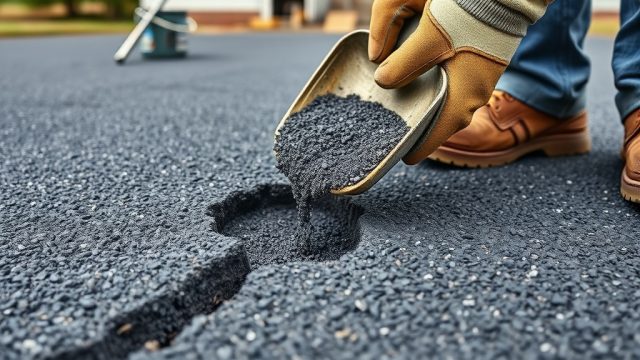
Compaction is critical because cold material is stiffer and resists densification. For QPR 50-lb Asphalt Patch, fill the hole in 2-inch (5 cm) lifts, compacting each layer thoroughly. Use a hand tamper, plate compactor, or the tire of a heavy vehicle driven over a piece of plywood. In cold weather, increase compaction effort by 20–30% compared to summer work. The material must be packed to at least 95% of its maximum density to resist moisture intrusion and frost heave. After compacting, the patch should be slightly overfilled—about 1/2 inch (1.3 cm) above the surrounding pavement—to allow for settling as it cures.
A common mistake is applying too thin a layer. If the patch depth is less than 1.5 inches (3.8 cm), it may lack structural integrity and pop out. For potholes deeper than 4 inches (10 cm), use a 1- to 2-inch base of crushed stone or cold mix before applying the QPR 50-lb patch. This saves money and provides a stable base. Always ensure the patch is higher than the surrounding surface to allow for compaction settlement. For a detailed discussion on thickness, read QPR Patch Applied Too Thin: Root Cause and Solution.
What Owners Say About QPR 50-lb Asphalt Patch in Winter
User feedback from asphalt contractors and property managers highlights mixed results. On construction forums, “John D., a driveway contractor in Wisconsin, reports: ‘I used QPR 50-lb bags for emergency pothole repairs in December when the temp was 35°F. I heated the bags in my truck, dried the hole with a torch, and compacted hard. Two weeks later, the patch was still there after a plow passed over it. It’s not perfect, but it bought me time until spring.'” Another reviewer, “Sarah L., a homeowner in Minnesota, says: ‘I applied QPR at 25°F without pre-warming because I didn’t know better. The patch crumbled out within a week. On a warmer day at 45°F, I followed the instructions exactly—warming the bag and surface—and it held all winter.'”
Overall, owners emphasize that preparation is king in cold weather. Those who pre-warm the material and surface report success rates above 80%, while those who skip steps see failure rates near 60%. A commercial parking lot manager notes: “We use QPR 50-lb exclusively for winter patches. It costs about £8 per bag (approximately €9.20 or $10.80 USD) here in the UK. We allocate 10% of our annual budget for cold-weather patches and have reduced spring pothole counts by 40%.” For long-term durability, consider Sealcoating After QPR Patch Repair: Extending the Life of Your Fix once the patch cures fully in warmer months. When comparing to hot mix asphalt, see QPR 50-lb Asphalt Patch vs. Hot Mix Asphalt: Which Is Right for You? to decide which option suits your project.
Frequently Asked Questions
Q1: Can I use QPR 50-lb Asphalt Patch when temperatures are below freezing?
A: It is not recommended. Below 30°F (–1°C), the patch may freeze before curing, leading to failure. If an emergency repair is required, pre-warm the bag and pothole, but treat the fix as temporary.
Q2: How long should I wait before driving on a cold-weather QPR patch?
A: At 40°F (4°C), wait at least 24–48 hours. At warmer temperatures (50°F+), 6–12 hours is sufficient. Always test the patch with light foot pressure—if it still indents, wait longer.
Q3: Is it okay to store QPR 50-lb bags in an unheated garage during winter?
A: Yes, but for best results, move bags into a heated space (50–70°F) for 24–48 hours before use. Cold stored material is stiff and difficult to work with.
Q4: Will salt or de-icers damage a QPR patch applied in cold weather?
A: QPR is resistant to salt and de-icers, but exposure should be limited during the first week of curing. After the patch hardens fully, salt does not affect it significantly.
Q5: What is the cost of QPR 50-lb Asphalt Patch in the UK?
A: A 50-lb bag typically costs between £7 and £10 (GBP), depending on retailer. For a large pothole (2 ft x 2 ft x 4 in), two to three bags are usually needed.
Q6: Can I mix QPR 50-lb Asphalt Patch with other cold patch brands for cold weather?
A: Mixing is not recommended. Each brand has specific polymer chemistry. Inconsistent mixing can lead to poor bonding and reduced durability. Stick to one product for the repair.