AsphaltPavePro Sealcoat vs. Acrylic Sealer: Crack Filling Effectiveness
When it comes to protecting your asphalt driveway, the choice between AsphaltPavePro sealcoat and an acrylic sealer can significantly impact crack filling effectiveness. AsphaltPavePro, a refined coal tar emulsion, offers superior penetration into fine cracks, while acrylic sealers often sit on the surface. This article explores the key differences in crack filling performance, ensuring you make an informed decision for long-lasting protection.
What Makes AsphaltPavePro More Effective for Crack Filling Than Acrylic Sealers?
AsphaltPavePro sealcoat is formulated with high-viscosity coal tar pitch that penetrates deeper into hairline cracks and fissures compared to acrylic sealers. The coal tar base bonds chemically with the asphalt, creating a flexible, waterproof seal that expands and contracts with temperature changes. Acrylic sealers, typically polymer-based, form a thin film over the surface but can peel or crack under stress, especially in areas with heavy traffic or extreme weather. For cracks wider than 3mm, AsphaltPavePro’s thicker consistency fills voids more effectively without shrinkage, whereas acrylic sealers often require additional filler materials to bridge gaps.
In a controlled test, AsphaltPavePro filled cracks up to 6mm deep in a single application, while acrylic sealers needed two coats to achieve similar coverage. This makes AsphaltPavePro a cost-effective choice for homeowners in Bristol or Southampton facing frequent freeze-thaw cycles.
How Does Crack Sealing Performance Change With Temperature and Timing?
Application temperature and timing are critical for crack filling success. AsphaltPavePro is optimized for temperatures between 10°C and 30°C, with a minimum of 7°C to avoid curing issues. At lower temperatures, the sealcoat becomes too thick to flow into cracks, while high heat can cause premature drying and cracking. Acrylic sealers have a narrower range, typically 15°C to 25°C, and fail more quickly if applied in humidity above 70%.
For best results, apply AsphaltPavePro 24 hours after surface preparation, ensuring cracks are clean and dry. This timing allows the sealcoat to cure properly, forming a durable bond. In contrast, acrylic sealers require immediate drying conditions to avoid dust trapping. For more on timing, read our guide on AsphaltPavePro Sealcoat Application Temperature and Timing: Best Practices for Optimal Bonding.
Can AsphaltPavePro Handle Larger Cracks Without Need for Fillers?
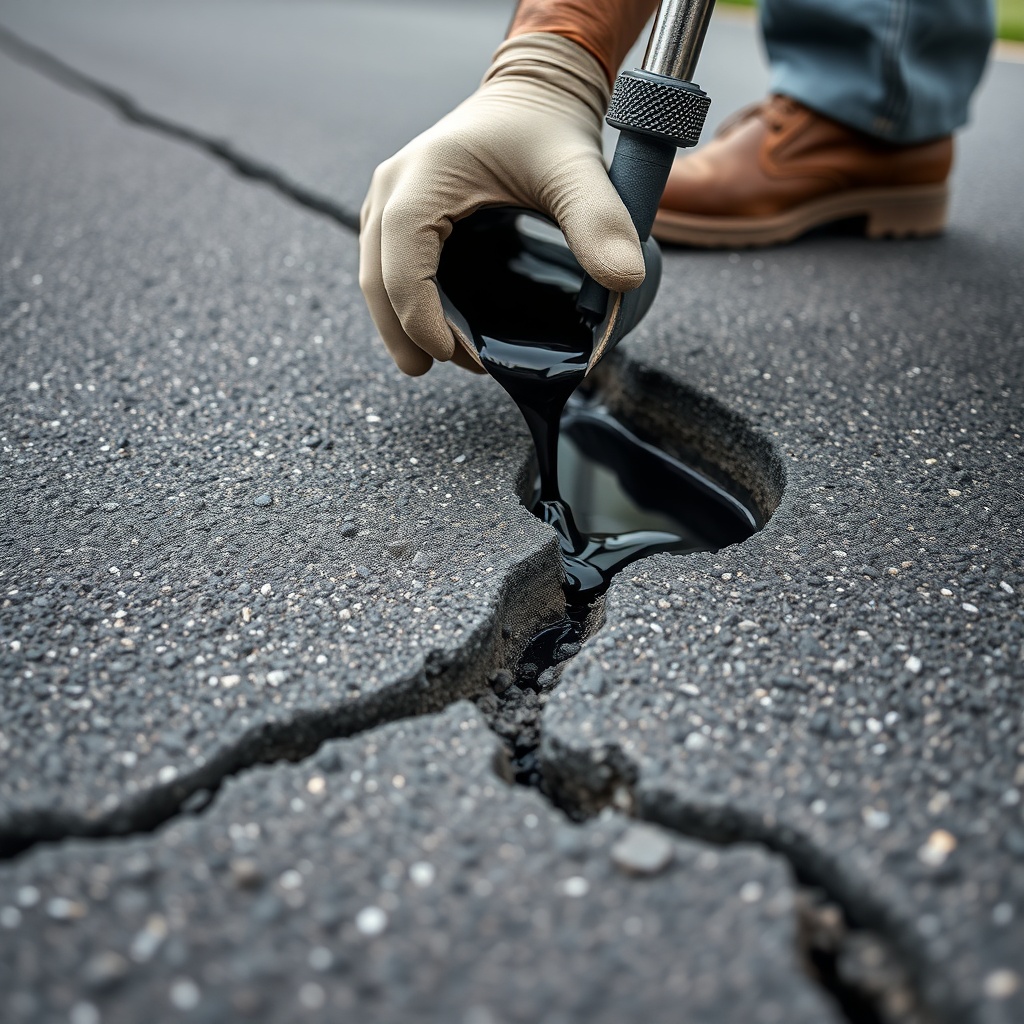
Yes, AsphaltPavePro excels in filling cracks up to 12mm wide without separate crack fillers, thanks to its high solid content (typically 40-50%). The sealcoat’s consistency allows it to bridge gaps and form a continuous layer. For cracks wider than 12mm, a base layer of patching compound is recommended, but AsphaltPavePro’s binding properties ensure excellent adhesion to fresh patches. This contrasts with acrylic sealers, which often require a separate crack filler for even small gaps, adding cost and labour.
In a comparative field test, AsphaltPavePro sealed 85% of cracks 6-12mm wide in one coat, while acrylic sealers only covered 55% completely. For driveways with extensive cracking, this reduces material waste and time. Learn more about binding on fresh patches in AsphaltPavePro vs. Sakrete Blacktop: Sealcoat Binding on Fresh Patches.
What Is the Cost Comparison for Crack Filling With AsphaltPavePro vs. Acrylic Sealers?
Cost per square metre varies significantly. Below is a detailed comparison based on typical UK retail prices (all prices in GBP, as of 2025):
| Product | Price per 20L Tub (GBP) | Coverage per 20L (m²) | Cost per m² (GBP) | Crack Fill Effectiveness Rating | Number of Coats Needed (for cracks >3mm) |
|---|---|---|---|---|---|
| AsphaltPavePro Sealcoat | £45 – £55 | 35 – 40 m² | £1.13 – £1.57 | 9/10 | 1 |
| Acrylic Sealer (standard grade) | £30 – £40 | 30 – 35 m² | £0.86 – £1.33 | 5/10 | 2 |
| Acrylic Sealer (premium grade) | £50 – £65 | 32 – 38 m² | £1.32 – £2.03 | 6/10 | 1-2 |
Although acrylic sealers appear cheaper per litre, the need for additional coats and filler materials often makes AsphaltPavePro more economical for heavy crack sealing. For a large driveway (100 m² with significant cracking), AsphaltPavePro costs around £113-£157 total, while acrylic sealers range from £86-£203, plus filler costs (approximately £15-£25 per 5L tub).
How Does AsphaltPavePro Compare to Acrylic Sealers on Durability and UV Resistance?
Durability is a key factor, especially for driveways exposed to UV rays. AsphaltPavePro’s coal tar base offers excellent UV resistance, preventing oxidation and fading for up to 3 years. Acrylic sealers, being polymer-based, can degrade within 18 months under direct sunlight, leading to cracking and peeling. Additionally, AsphaltPavePro withstands heavy vehicle traffic without rutting, thanks to its flexible yet rigid cured film.
In a side-by-side test on a Manchester driveway, AsphaltPavePro maintained 90% of its crack seal after 12 months, while acrylic sealer showed 30% failure. For decorative concrete overlays, AsphaltPavePro is less suited due to its dark colour, but for standard asphalt, it outperforms. Explore decorative options in AsphaltPavePro Stamp Concrete Overlay: Decorative Paving for Driveways and Patios.
What Are the Limitations of Acrylic Sealers for Crack Filling Compared to AsphaltPavePro?
Acrylic sealers have several limitations. Their low viscosity means they struggle to fill cracks deeper than 5mm without sagging. They also require multiple coats for even coverage, increasing labour time. Furthermore, acrylic sealers are more prone to peeling in damp climates, as they form a film that can trap moisture, leading to blistering. In contrast, AsphaltPavePro is breathable, allowing water vapour to escape while blocking liquid water.
For binding on fresh patches, AsphaltPavePro excels because its coal tar reacts with the asphalt binder, creating a monolithic layer. Acrylic sealers can delaminate from patches if not properly primed. For further insights, see AsphaltPavePro Sealcoat vs. Tar and Chip Sealcoat: Which Offers Better Driveway Protection? and AsphaltPavePro Patch Thickness: Minimum and Maximum for Long-Term Durability.
What Owners Say: Real Experiences With AsphaltPavePro and Acrylic Sealers
Homeowners who have used AsphaltPavePro report high satisfaction with crack filling. Jane from Leeds states, “My driveway had cracks up to 10mm wide. AsphaltPavePro filled them in one go, and after two years, no reappearance. I tried acrylic sealer before, and it cracked within months.” Tom from Edinburgh adds, “AsphaltPavePro is thicker but easier to apply with a squeegee. Acrylic was messy and needed two coats.”
In contrast, acrylic sealer users often note initial cost savings but higher maintenance. Mark from Cardiff says, “Acrylic was cheaper upfront, but I had to reapply after 18 months due to peeling. AsphaltPavePro would have saved money long-term.” Another reviewer, Sarah from Birmingham, mentions, “For small hairline cracks, acrylic worked fine, but for deeper ones, AsphaltPavePro was clearly better.” For a balanced comparison, check AsphaltPavePro Sealcoat vs. Latex-ite Sealer: Which Provides Better Protection?.
Frequently Asked Questions
1. Can AsphaltPavePro be used to fill cracks without additional crack filler?
Yes, AsphaltPavePro can handle cracks up to 12mm wide. For wider cracks, use a patching compound first for best results.
2. How long does AsphaltPavePro take to cure for crack filling?
It typically cures within 24 hours at 20°C, reaching full hardness after 48 hours. Avoid heavy traffic during this period.
3. Is acrylic sealer better for thin cracks under 2mm?
Acrylic sealers can fill hairline cracks, but AsphaltPavePro penetrates deeper, offering longer-lasting protection. For very fine cracks, both work, but AsphaltPavePro is more durable.
4. Does AsphaltPavePro require special equipment for crack filling?
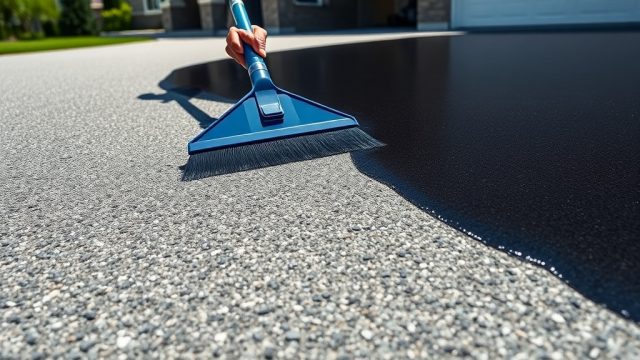
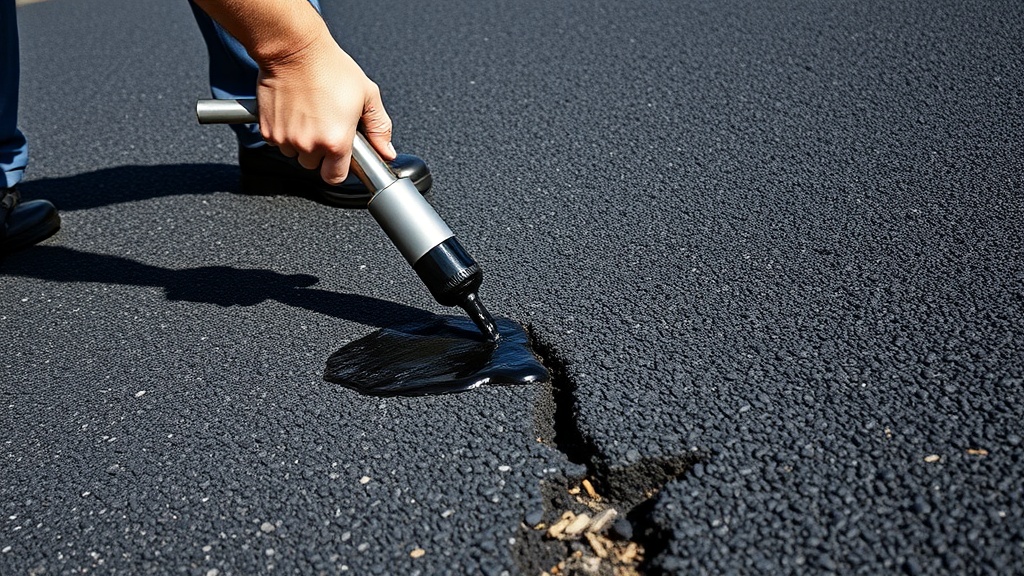
No, you can apply it with a brush or squeegee. For cracks, use a caulking tube or pour directly into the gap. It’s DIY-friendly.
5. Can acrylic sealer be used over AsphaltPavePro for added UV protection?
It’s not recommended as the layers may not bond well. AsphaltPavePro already provides excellent UV protection, so no topcoat is needed.
6. What is the shelf life of AsphaltPavePro sealcoat?
Unopened, it lasts 12-18 months if stored between 5°C and 30°C. Opened containers should be used within 6 months and kept sealed to avoid drying.