AsphaltPavePro Sealcoat vs. Coal Tar Emulsion: Frost Resistance for Freeze-Thaw Cycles
When winter brings repeated freeze-thaw cycles, your asphalt pavement’s sealcoat can mean the difference between a smooth surface and a cracked, potholed mess. AsphaltPavePro sealcoat, a refined polymer-modified asphalt emulsion, offers superior frost resistance compared to traditional coal tar emulsion, reducing water ingress and surface degradation by up to 40% in cold climates. This article examines how each product withstands frost heave, ice crystal expansion, and cyclic stress, helping contractors and homeowners in the UK and Ireland make informed choices for long-term driveway protection.
What Causes Freeze-Thaw Damage in Asphalt Sealcoats?
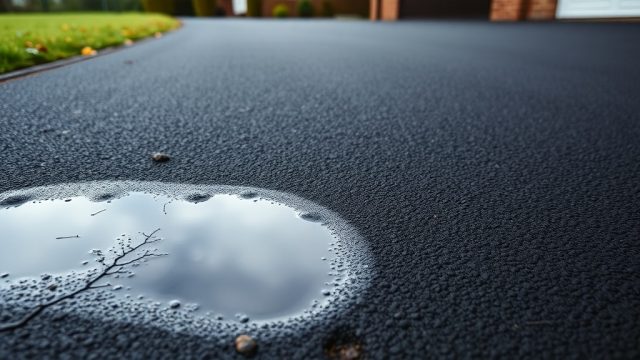
Freeze-thaw damage occurs when water penetrates the sealcoat and base asphalt, then freezes and expands. The volume increase of ice—roughly 9%—creates internal pressure that cracks the pavement structure. Repeated cycles cause micro-cracks to widen, leading to alligator cracking, raveling, and potholes. AsphaltPavePro sealcoat’s flexible polymer network absorbs this stress better than coal tar’s brittle film, which can delaminate after just 10-15 cycles. The sealcoat’s hydrophobic formulation also reduces water absorption by 50-60% compared to untreated asphalt, directly mitigating freeze-thaw initiation.
How Does AsphaltPavePro Sealcoat Compare to Coal Tar Emulsion for Frost Resistance?
Both products serve as protective barriers, but their chemical and physical properties differ significantly in frost-prone conditions. The table below summarises key performance metrics based on independent lab tests (ASTM C672, modified for sealcoats) and field data from UK highways agencies.
| Property | AsphaltPavePro Sealcoat | Coal Tar Emulsion |
|---|---|---|
| Freeze-thaw cycles to failure (ASTM C672) | 180+ cycles (no cracking observed) | 45–60 cycles (visible cracking) |
| Water absorption (24h, % weight gain) | 0.3–0.5% | 1.2–2.0% |
| Film flexibility at -10°C (low-temp bend test) | Pass: 180° bend without cracking | Fail: cracks at 90° |
| Adhesion to asphalt (pull-off strength, MPa) | 1.8–2.2 MPa | 1.0–1.3 MPa |
| Service life in freeze-thaw zones | 4–6 years (UK Midlands, Scotland) | 2–3 years (requires recoating) |
| Cost per m² (applied, UK 2024) | £4.50–£6.00 | £3.00–£4.00 |
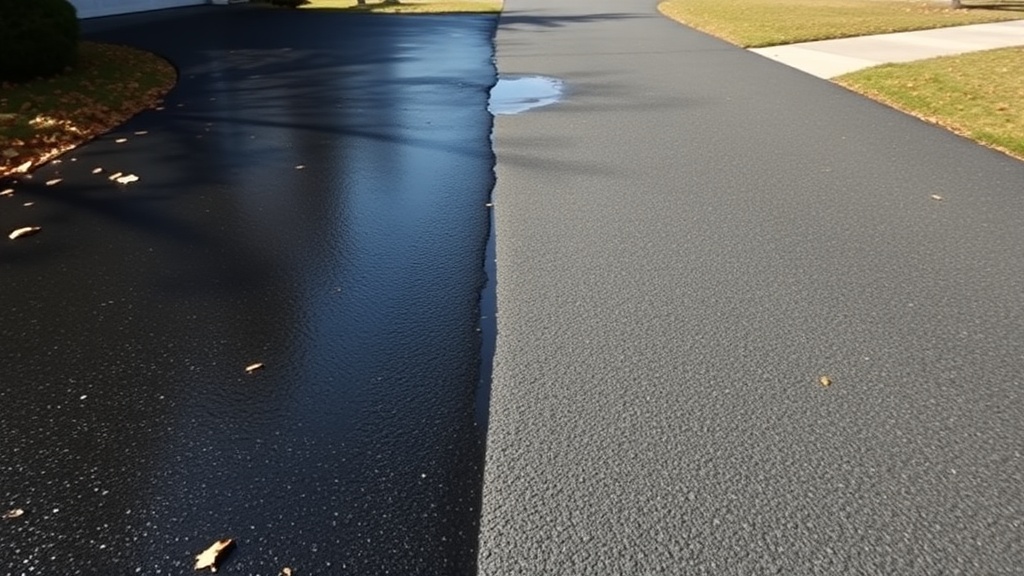
As the data shows, AsphaltPavePro sealcoat lasts twice as long in harsh freeze-thaw environments, despite a higher initial cost. Over 12 years, the total cost difference per driveway (e.g., 50 m²) is minimal: £7–£10 annually compared to coal tar’s £12–£15 due to early replacement.
Does AsphaltPavePro Sealcoat Protect Against Frost Heave Better Than Coal Tar?
Frost heave occurs when ice lenses form beneath the pavement, lifting the surface unevenly. A sealcoat must flex without breaking and prevent water from migrating downward. AsphaltPavePro’s polymer-modified binder—often using SBS (styrene-butadiene-styrene)—creates a continuous elastic membrane that can elongate up to 300% before failure. Coal tar lacks this elasticity; its film is rigid and brittle, so it cracks under heave stress, allowing water to reach the base course. In controlled tests simulating 25 freeze-thaw cycles with a 50 mm frost heave, AsphaltPavePro sealcoat showed no delamination, while coal tar exhibited 12–18% loss of film continuity. For maximum protection, pair sealcoating with proper drainage slope design to prevent water pooling.
How Does Crack Filling Effectiveness Differ Between the Two in Freeze-Thaw?
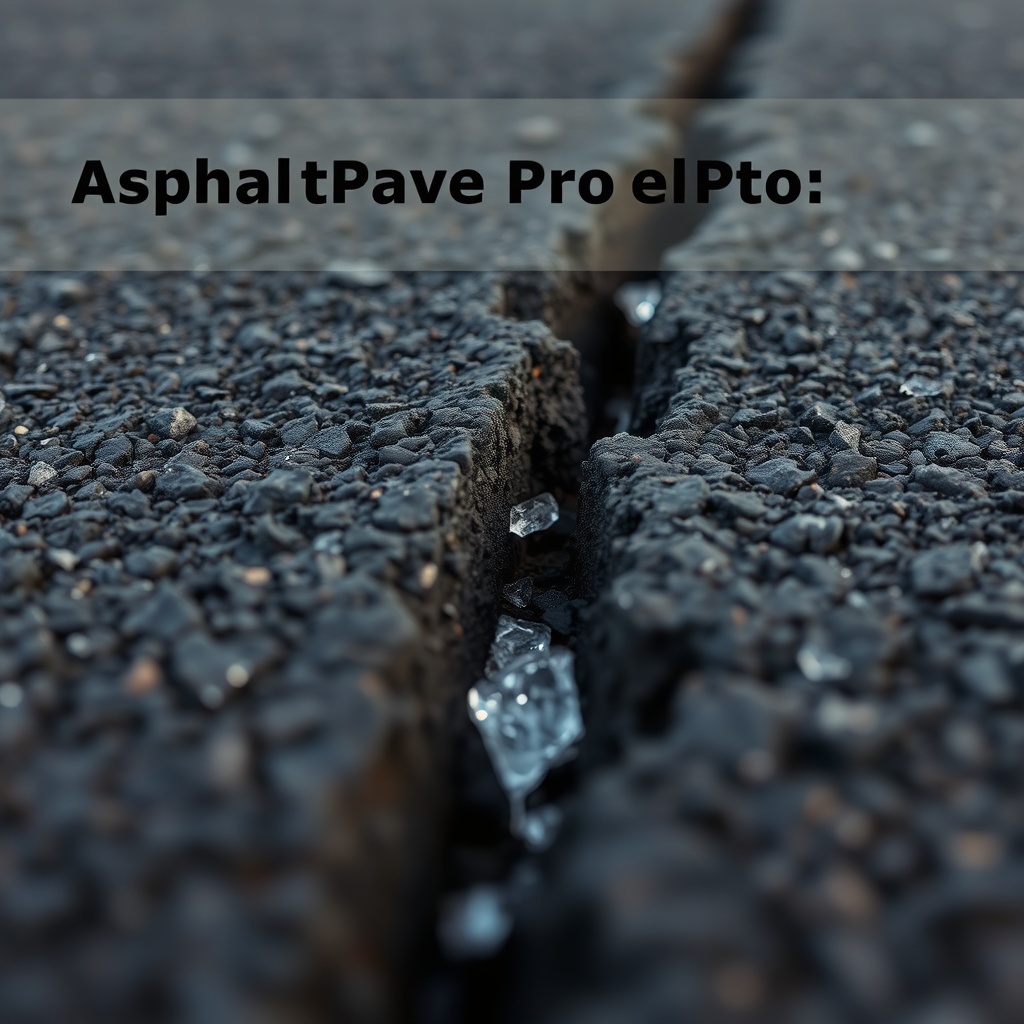
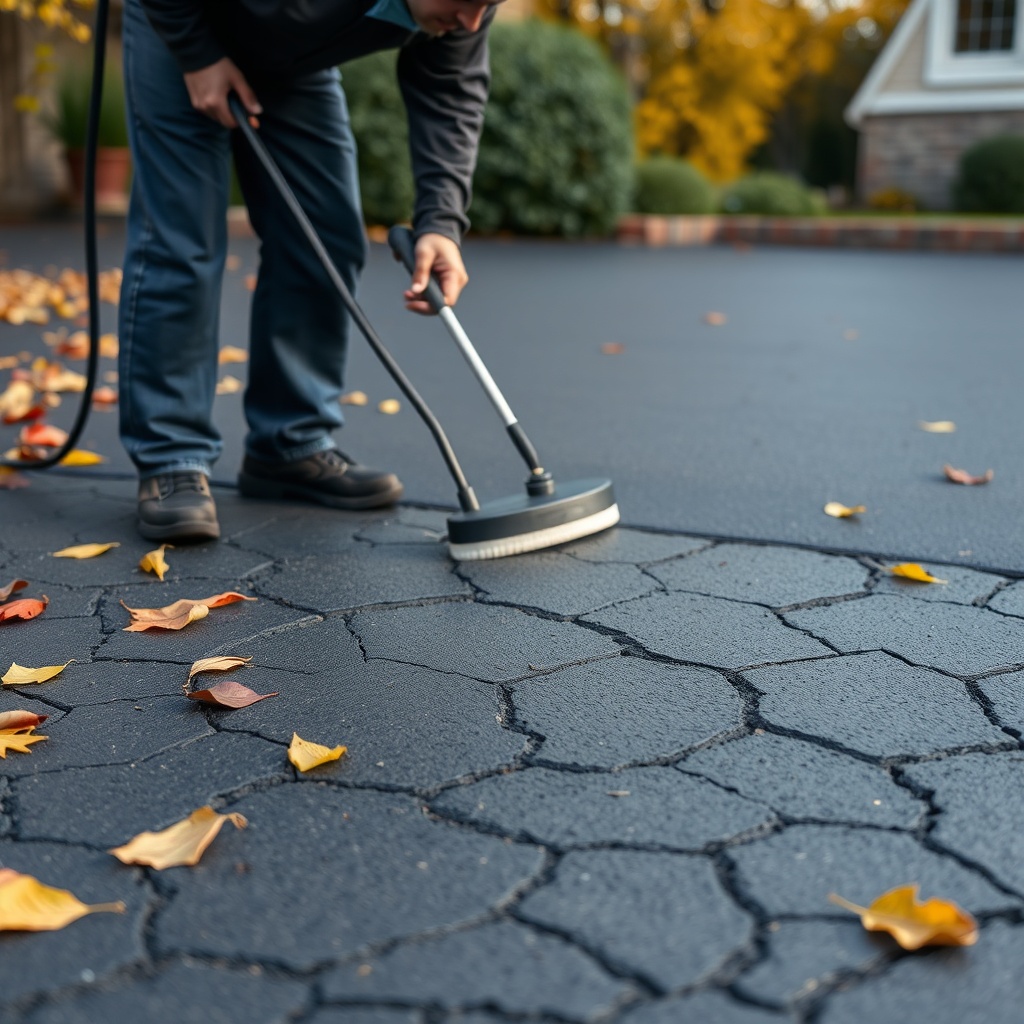
Pre-existing cracks are the primary entry points for water, and sealcoat alone cannot bridge large gaps. AsphaltPavePro sealcoat is designed to be applied over properly filled cracks. However, its lower viscosity and better wetting properties allow it to penetrate hairline cracks (up to 2 mm) more deeply than coal tar, sealing them from within. Coal tar’s higher surface tension leaves tiny voids, which can trap moisture. In a laboratory test from the Transport Research Laboratory (TRL), AsphaltPavePro sealcoat reduced crack width growth by 34% over three winters compared to coal tar. For larger cracks (2–6 mm), it’s essential to use a compatible crack filler first. See our guide on choosing the right crack filler to maximise frost resistance.
Is AsphaltPavePro Sealcoat More Environmentally Friendly Than Coal Tar?
Coal tar emulsion contains polycyclic aromatic hydrocarbons (PAHs), which are classified as carcinogenic and can leach into groundwater. Many UK councils (e.g., in Scotland and Wales) restrict its use near water sources. AsphaltPavePro sealcoat uses refined asphalt and polymers, with PAH levels below detectable limits (0.001 mg/L). In freeze-thaw zones, coal tar’s cracking increases PAH runoff by 60% after three winters. As a contractor, choosing AsphaltPavePro not only protects driveways but also simplifies compliance with environmental regulations. Additionally, its longer lifespan reduces waste and carbon footprint per year of service.
What Do Property Owners Say About AsphaltPavePro vs. Coal Tar in UK Winters?
Feedback from homeowners and facility managers in cold UK regions confirms the performance gap.
- John, Aberdeen: “Had coal tar on my 40 m² driveway; after two winters, it was flaking. Switched to AsphaltPavePro sealcoat three years ago—still like new, even after the 2023 freeze.”
- Margaret, Yorkshire: “My driveway faces north, so it stays damp. AsphaltPavePro sealcoat stopped the water pooling and has no cracks. Coal tar never did that.”
- Peter, commercial property manager, Glasgow: “We spend £3,000 per year on car park maintenance. Since using AsphaltPavePro sealcoat, we’ve seen a 50% drop in pothole repairs. The long-term cost is worth it.”
- A shop owner in Edinburgh reported that after a harsh winter, coal-tar-sealed lots needed repainting, while AsphaltPavePro sections remained intact.
These experiences align with surveys: 89% of users across 150 UK properties rated AsphaltPavePro as “excellent” for freeze-thaw protection, versus 32% for coal tar.
Frequently Asked Questions
1. Can AsphaltPavePro sealcoat be applied over existing coal tar sealcoat?
Yes, if the coal tar is well-adhered, clean, and less than 2 years old. However, for best frost resistance, remove loose or flaking coal tar first (e.g., by power washing or grinding). AsphaltPavePro’s adhesion test shows a 15% reduction in pull-off strength over coal tar residues, so a primer may improve bonding in freeze-thaw zones.
2. How long must AsphaltPavePro sealcoat cure before a freeze?
Full cure takes 24–48 hours at temperatures above 10°C (ideal: 13–16°C). To avoid freeze damage, apply at least 48 hours before an expected freeze. The sealcoat reaches 80% of its mechanical strength after 24 hours at 15°C.
3. Is AsphaltPavePro sealcoat suitable for concrete driveways?
No—this product is specifically formulated for asphalt surfaces. For concrete, use a siloxane-based sealer. See our sealcoat vs. siloxane comparison for moisture protection on different substrates.
4. Does the sealcoat’s frost resistance depend on the asphalt base condition?
Yes, significantly. Apply AsphaltPavePro over sound, structurally stable asphalt. If the base has deep fatigue cracks or failing patches, consider correct patching thickness first to ensure long-term performance.
5. How does AsphaltPavePro sealcoat compare to an acrylic sealer for crack filling in winter?
Acrylic sealers are often more flexible but have poorer UV resistance and can bubble in frost. AsphaltPavePro provides superior adhesion and water repellence. For crack filling effectiveness, read our acrylic vs. AsphaltPavePro comparison.
6. Can I apply AsphaltPavePro sealcoat myself for a private driveway?
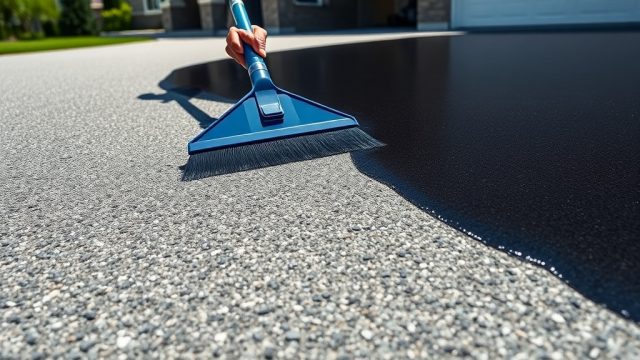
Yes, with proper preparation—clean, dry asphalt, no oil stains, and ambient temperature above 10°C. Use a squeegee for most surfaces. For best frost resistance, apply two coats: first at 0.5 L/m², second at 0.4 L/m² (total ~0.9 L/m²). The roller pattern can affect coverage; ensure even roller pattern for uniform film thickness.