AsphaltPavePro vs. Sakrete Blacktop: Subgrade Preparation Requirements Compared
When planning a new asphalt driveway or resurfacing project, two popular material options often surface: AsphaltPavePro, a high-performance hot-mix asphalt designed for residential durability, and Sakrete Blacktop, a cold-patch or bagged blacktop mix commonly used for small repairs and overlays. While both aim to provide a pavement surface, their subgrade and base preparation requirements differ significantly, impacting long-term performance and cost. This article offers a focused comparison of subgrade preparation protocols for AsphaltPavePro versus Sakrete Blacktop, helping contractors and homeowners make informed choices for stable, crack-resistant driveways in the UK.
How Do Subgrade Thickness Requirements Differ Between AsphaltPavePro and Sakrete Blacktop?
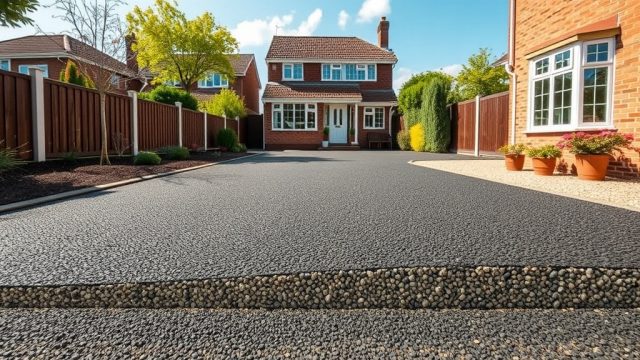
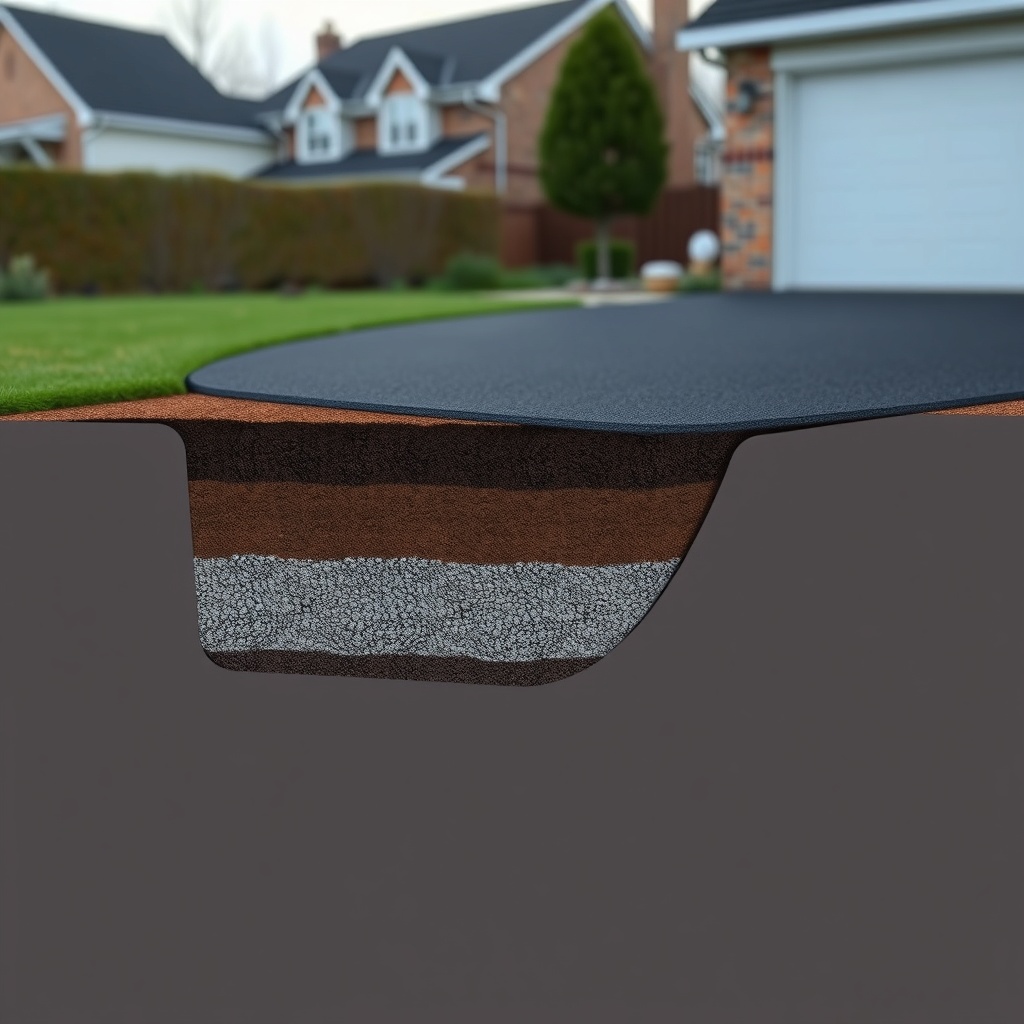
The subgrade—the native soil under your driveway—must be properly prepared to support the pavement layers. For AsphaltPavePro, the recommended subgrade excavation depth is at least 250 mm (10 inches) to accommodate a 150–200 mm (6–8 inch) compacted granular base, followed by 50–75 mm (2–3 inches) of hot-mix asphalt. This deeper excavation ensures load distribution and frost protection, particularly for lighter vehicles up to 3 tonnes. In contrast, Sakrete Blacktop, being a cold-patch material, typically requires a subgrade depth of only 100–150 mm (4–6 inches) because it is often applied as a thin overlay (25–50 mm) over existing surfaces or as a patch repair. For new construction using Sakrete Blacktop, a base of 100 mm (4 inches) of compacted aggregate is sufficient, but this assumes stable subgrade conditions with no heavy traffic. The key difference: AsphaltPavePro demands 2.5 times more subgrade excavation for optimal longevity, while Sakrete Blacktop trades depth for ease of application.
For DIY enthusiasts, a detailed guide on achieving a solid foundation can be found in our article on DIY Subgrade and Base Preparation for AsphaltPavePro Driveways.
What Are the Compaction and Moisture Content Requirements for Each Material?
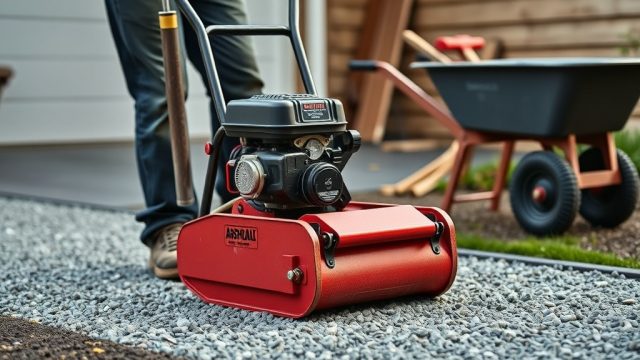
Proper compaction is non-negotiable for avoiding settlement, rutting, or cracking. For AsphaltPavePro, the granular base (typically MOT Type 1 or crushed stone) must achieve at least 95% Proctor density at optimum moisture content (8–12% for most UK aggregates). The asphalt itself is compacted hot (at 140–160°C) using a vibrating roller or plate compactor to achieve 96–98% density. Failure to control moisture content during base compaction leads to voids that trap water and cause frost heave. Sakrete Blacktop, being a cold-lay material, is applied at ambient temperature and compacted with a hand tamper or plate compactor. Its recommended compaction moisture content is 4–6% less than the base—typically 10–14% for the cold-mix itself—but achieving consistent density is harder because cold-mix retains flexibility and can suffer from inadequate binder coating. The dust content in Sakrete Blacktop is higher (up to 10% passing 75 µm sieve), making it more sensitive to over-compaction that can push fines to the surface. In practice, AsphaltPavePro requires professional-grade compaction equipment, while Sakrete Blacktop can be compacted by a homeowner with a 90 kg vibrating plate, though long-term compaction loss is common if the subgrade is weak.
Learn more about achieving proper density in our guide on AsphaltPavePro Compaction: How Moisture Content Affects Density and Longevity.
How Do Subgrade Soil Types Affect Preparation for AsphaltPavePro vs. Sakrete Blacktop?
UK subgrades vary widely: sandy loams, clay-heavy soils, and silty loams are common. For AsphaltPavePro, a cohesive subgrade (e.g., London Clay) requires removal of the top 300 mm of unsuitable material and replacement with engineered fill, often with a geotextile separator to prevent pumping. The subgrade must achieve a California Bearing Ratio (CBR) of at least 5% for residential applications; if CBR < 3%, a 200 mm thick capping layer is mandatory. AsphaltPavePro’s hot-mix layer can tolerate minor subgrade movements if base thickness is adequate (150–200 mm). Sakrete Blacktop, however, is less forgiving on weak subgrades. Its thin overlay (25–50 mm) does not distribute loads effectively, so any subgrade softening or clay expansion leads to rapid cracking. On clay soils, Sakrete Blacktop requires a 150 mm compacted stone base with a polyethylene vapour barrier to prevent moisture migration. On sandy subgrades, both materials require proof rolling, but AsphaltPavePro can be placed directly on a 200 mm granular base, while Sakrete Blacktop needs a 100 mm base plus edge restraints to avoid lateral spreading. In all cases, AsphaltPavePro’s thicker structure provides better load spread, reducing subgrade stress.
For cold-climate considerations, see our article on AsphaltPavePro Subgrade Preparation: Preventing Frost Heave in Cold Climates.
What Are the Cost and Labour Differences for Subgrade Preparation?
The total project cost differs markedly. The following table compares typical UK costs and labour hours for a standard 40 m² residential driveway (assumes stable subgrade, no rock removal):
| Parameter | AsphaltPavePro (Hot-Mix) | Sakrete Blacktop (Cold-Patch) |
|---|---|---|
| Excavation depth | 250 mm | 150 mm |
| Granular base thickness | 150–200 mm | 100 mm |
| Base material cost (GBP per tonne) | £28–£35 (MOT Type 1) | £18–£25 (crushed concrete) |
| Geotextile membrane cost | £25–£35 per 50 m² roll | £15–£20 per 50 m² roll (optional) |
| Labour hours (2-person crew) | 16–20 hours (includes compaction, grading, edge forms) | 8–12 hours (simpler preparation, hand tamping) |
| Compaction equipment cost (hire) | £120–£180 per day (vibrating roller + plate tamper) | £40–£60 per day (plate tamper only) |
| Total subgrade + base cost (materials + labour) for 40 m² | £2,400–£3,200 | £1,100–£1,600 |
| Expected lifespan (before major maintenance) | 12–20 years (with annual sealcoating) | 3–5 years (prone to raveling, cracking) |
| Sealcoat recommended | Yes, after 6 months, then every 2 years | Often skipped; but improves lifespan to 5–7 years |
As shown, AsphaltPavePro requires 2–2.5x the subgrade preparation cost but delivers a lifespan 3–4 times longer than Sakrete Blacktop when properly prepared. For owners prioritising long-term value, AsphaltPavePro is the clear winner despite the upfront investment. For those on a tight budget with stable subgrade conditions, Sakrete Blacktop may suffice as a temporary solution (under 3 years). Remember that sealcoating is essential for both; compare options in our article on AsphaltPavePro Sealcoat vs. Coal Tar Emulsion.
What Are the Drainage and Edge Restraint Requirements for Each System?
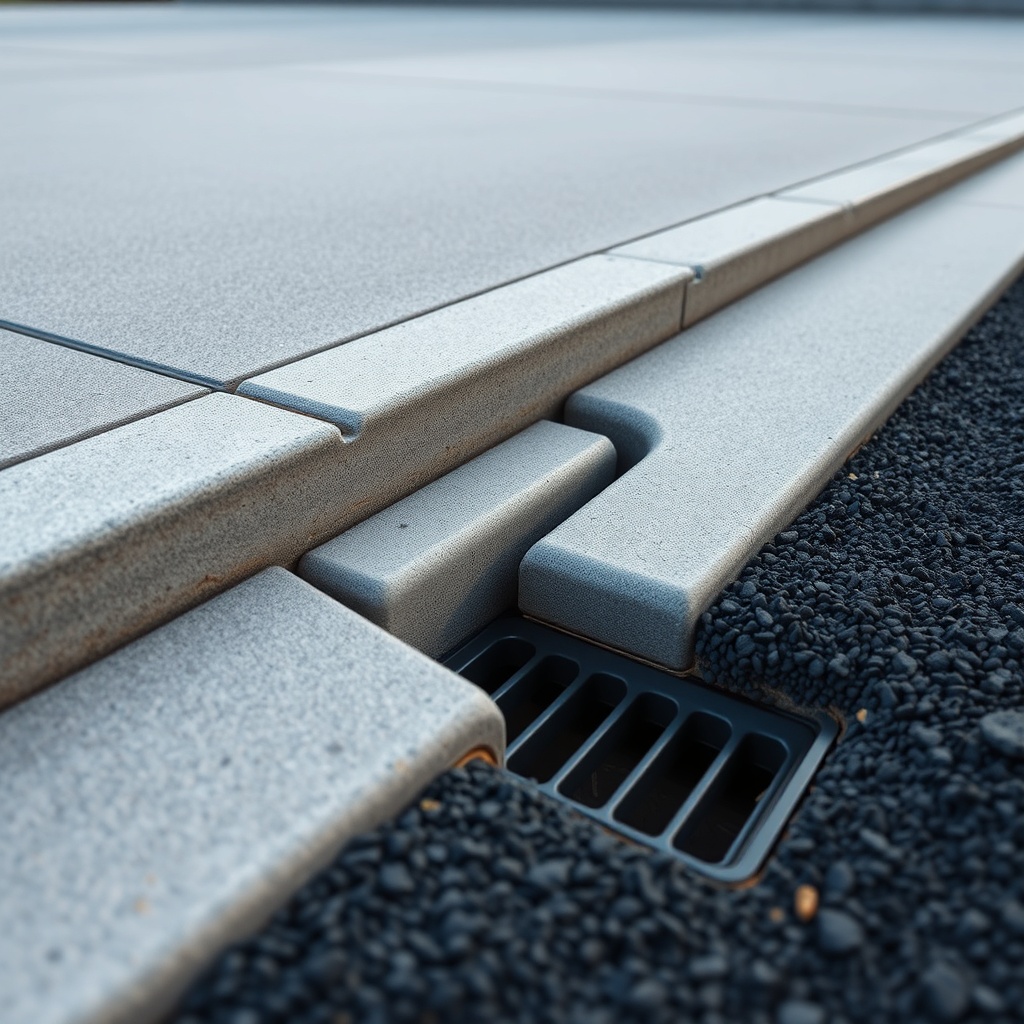
Both systems require proper drainage to prevent water pooling and subgrade softening, but the specifics differ. For AsphaltPavePro, subgrade drainage must be addressed with a 1–2% cross-slope away from structures, and a French drain at the low edge if soil is clay-rich. The asphalt is laid over a geotextile-separated base to prevent fines migration. A 50 mm stone shoulder edge restraint is typical—either concrete curb or treated timber—to contain the hot-mix during compaction. For Sakrete Blacktop, the thinner overlay is more susceptible to edge raveling, so a strong edge restraint (concrete kerb or metal edging) is critical to prevent cold-mix from spreading under vehicle loads. Drainage should be identical (1–2% slope), but Sakrete Blacktop does not require geotextile if the base is 100 mm of well-graded aggregate. However, because Sakrete Blacktop is cold-laid, it can be applied on existing asphalt (overlays) without subgrade drainage work—but this increases the risk of reflective cracking from the old pavement. For new construction, AsphaltPavePro’s edge restraint is more forgiving but still essential; Sakrete Blacktop’s edge failure can occur within one winter if edges are not properly contained.
For patching techniques, refer to AsphaltPavePro Patching: Compaction and Moisture Tips for Long-Lasting Repairs.
What Do Owners Say After Installation?
Homeowners who installed AsphaltPavePro on a 40 m² driveway in Kent report satisfaction with its dense surface and minimal cracking after 5 years, despite clay subgrade. One owner noted: “We excavated 300 mm, added geotextile and 200 mm of MOT Type 1, then AsphaltPavePro. The driveway is solid even after heavy rain—no puddles.” Another owner in Scotland using Sakrete Blacktop over a sand subgrade said: “I saved £1,200 on preparation, but after 18 months, the edges are crumbling, and I need to patch twice a year. I wish I had spent more on hot-mix.” A third owner, who used Sakrete Blacktop on an existing concrete slab (no subgrade prep), reported: “It looks decent for the first year, but cracks appeared along old concrete joints. It’s just a temporary fix.” The consensus: AsphaltPavePro delivers long-term reliability, while Sakrete Blacktop works best as a >3-year patch or overlay on stable existing surfaces. Owners stress that subgrade preparation—especially compaction—makes or breaks both systems, but AsphaltPavePro’s thicker section gives more forgiveness.
For advice on mix gradation’s role in durability, see AsphaltPavePro Mix Gradation: Why Aggregate Size Matters for a Durable Driveway.
Frequently Asked Questions
1. Can I use Sakrete Blacktop for a full driveway instead of AsphaltPavePro?
Yes, but only as a temporary solution (3–5 years) on a well-prepared subgrade with at least 100 mm of base. For long-term durability exceeding 10 years, AsphaltPavePro is strongly recommended due to its superior load-bearing and compaction characteristics.
2. Do I need geotextile membrane for subgrade preparation with AsphaltPavePro?
Geotextile is recommended on cohesive soils (clay, silt) to prevent subgrade pumping and to separate subgrade from base aggregate. On sandy or gravelly subgrades with CBR > 8%, it may be optional. For Sakrete Blacktop, geotextile is only needed if the existing surface is cracked or the subgrade has high plasticity.
3. How do I check subgrade moisture content before compaction?
Use the “ball test”: take a handful of soil, squeeze it—it should form a ball that crumbles with moderate pressure. For AsphaltPavePro base aggregates, moisture should be 8–12% by weight (measured with a soil moisture meter). For Sakrete Blacktop, follow the bag instructions; typical moisture is 10–14% but avoid standing water.
4. Why is AsphaltPavePro subgrade preparation more expensive?
The deeper excavation (250 mm vs 150 mm), higher compaction requirements (95% Proctor vs 90%), and need for professional equipment and geotextile add £1,300–£1,600 to a 40 m² driveway. However, this investment extends lifespan by 10–15 years compared to Sakrete Blacktop without proper prep.
5. Can I compact Sakrete Blacktop with a hand tamper?
Yes, but only for small patches (under 1 m²). For larger areas, a 90 kg vibrating plate is essential to achieve minimum 90% density. Inadequate compaction leads to settlement and raveling within 12 months, as moisture enters voids and causes freeze-thaw damage.
6. Do I need to seal AsphaltPavePro after installation?
Yes, sealing after 6 months (to allow initial oxidation) and then every 2 years protects against UV, oil stains, and water penetration. For Sakrete Blacktop, sealing after 3 months is recommended but less effective due to its porous nature. Our article on sealcoat comparison provides more details.